
D-Miner Cloud: Breaking Silos in Social Network Analysis
Analyzing social networks with D-miner Cloud
This paper introduces D-Miner Cloud (DMC), a Software-as-a-Service (SaaS) framework built on cloud architecture to automate the collection and analysis of information from heterogeneous Online Social Networks (OSNs), such as Facebook and Yahoo! Answers. The system unifies data from diverse platforms into a common XML format for streamlined social behavior analysis.
TL;DR
The D-Miner Cloud (DMC) is a distributed SaaS framework designed to solve the "fragmentation" problem in social media research. It allows researchers to pull data from heterogeneous sources (like Facebook and Yahoo! Answers), normalize it into a unified XML structure, and run complex text-mining algorithms in a scalable cloud environment.
Problem & Motivation: The Silo Struggle
Analyzing Online Social Networks (OSNs) isn't as simple as running a web crawler anymore. The researchers identified two major hurdles:
- Accessibility Variation: Facebook information is often private and requires user-specific authorization, whereas Yahoo! Answer data is public but structured differently (Q&A format).
- Vertical Integration Bottlenecks: Most tools are built for one specific site. If you want to compare how a real-world event ripples across both Facebook and Twitter, you are often stuck using two completely different toolsets.
The authors' insight was to move away from standalone application servers toward a Cloud-based Horizontal Integration model.
Methodology: The Architecture for Scalability
The DMC framework is built on a four-component hierarchy: Frontend Devices, Service Gateway, Service Units, and a Central Repository.
1. The Gateway as a Traffic Controller
The Service Gateway acts as the brain, interpreting RESTful requests from mobile devices and redirecting them to specialized Service Units. It manages authentication by issuing "API Keys," ensuring the stateless REST architecture remains secure.
2. Service Units and Distributed Nodes
To solve the performance bottlenecks of the original "D-Miner" standalone system, the cloud version uses distributed Service Units.
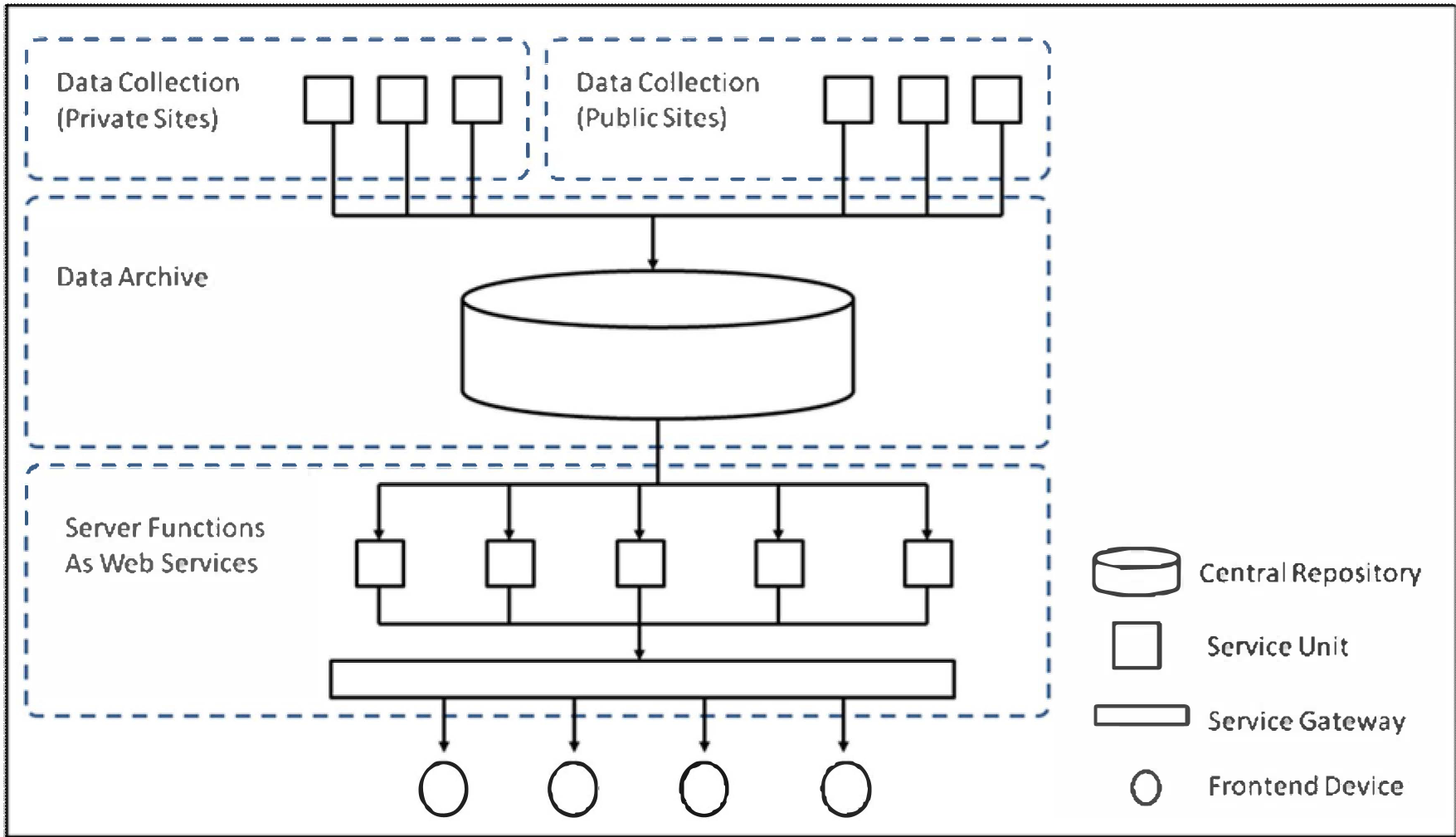 Figure 2: The Multi-layered Architecture of DMC
Each Service Unit contains a Task Scheduler that balances the load across multiple Service Nodes. This allows the system to scale horizontally—if the data collection takes too long, you simply add more nodes.
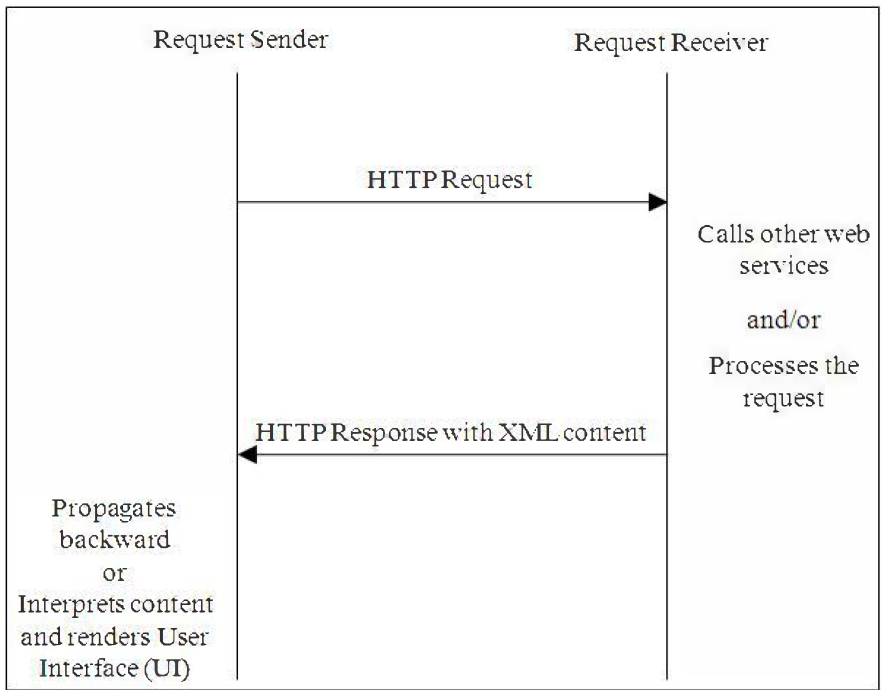 Figure 3: Internal Structure of a Service Unit
Implementation: Balancing Privacy and Efficiency
One of the most interesting technical challenges discussed is the integration of OAuth 2.0. Because the DMC cannot (and should not) store user passwords for third-party sites like Facebook, the authors implemented a direct communication path between the Frontend Device and the OSN API for the initial login. Once the "Access Token" is acquired, it is passed to the DMC to perform authorized data retrieval.
Optimizing the "Bottleneck"
Data retrieval from APIs is often the slowest part of the process. The authors implemented "Restriction of Response Content." For instance, when querying the Facebook Graph API, the system specifically requests only the ‘author’, ‘message’, and ‘date’ fields, discarding heavy metadata like ‘likes’ or ‘comments’ unless specifically needed. This drastically reduces bandwidth and storage overhead.
Experiments & Results
The implementation was validated using an Android frontend. The system successfully managed:
- Data Normalization: Transforming heterogeneous data into a "Universal XML" format.
- Task Distribution: Analyzing multiple data types (e.g., Facebook Statuses and Notes) simultaneously by splitting requests across different Service Units.
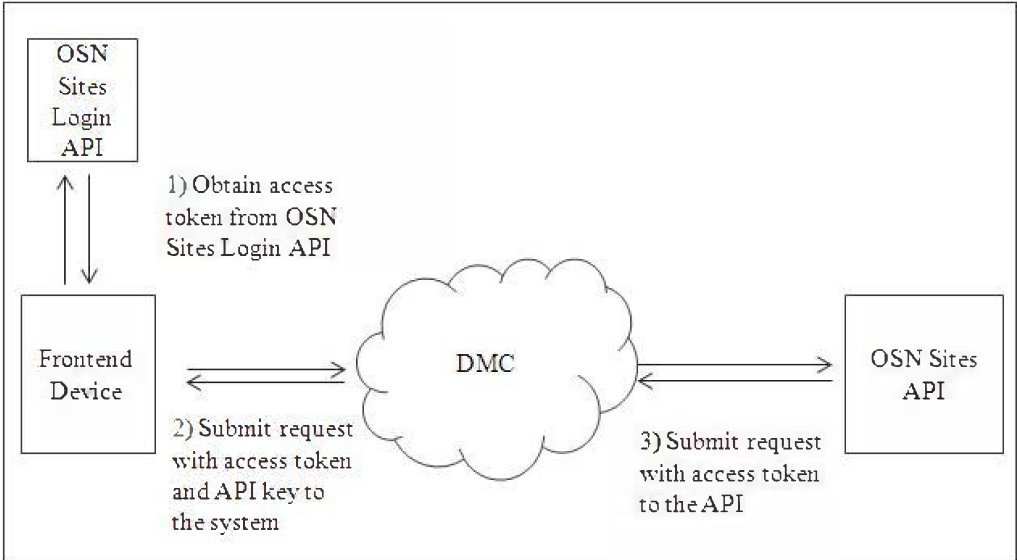 Figure 10: Mobile Interface showing "Review Data" and "Review Analysis" status
The results showed that the system could effectively track "Pending" vs. "Done" analysis tasks, proving that the cloud architecture can handle asynchronous, long-running text mining jobs without freezing the user interface.
Critical Insight & Conclusion
D-Miner Cloud represents a significant shift from "single-site" analysis to "ecosystem" analysis. By treating social media data as a utility (SaaS), it lowers the barrier for enterprises and researchers to extract business value from social chatter.
Limitations: While the framework is robust, it is highly dependent on third-party APIs. If Facebook or Yahoo! changes their API limits or OAuth protocols, the "Service Nodes" require manual updates. Furthermore, the paper focuses more on the plumbing (infrastructure) than the intelligence (the specific mining algorithms), which were covered in prior work.
Future Outlook: In today's landscape, this architecture is a precursor to modern Data Lakes. The next logical step for such a framework would be the integration of real-time stream processing (like Apache Kafka) to handle the "velocity" of social media data that has grown exponentially since 2012.