
MediPalCommunity: Balancing Patient Empowerment with Automated Anonymization
Anonimity in Health-oriented Social Networks
The paper explores the critical intersection of specialized health social networks and patient privacy, introducing "MediPalCommunity," a prototype platform. It integrates standard social networking features (e.g., self-tracking, emotional support) with a robust data anonymization layer using the k-anonymity property to prevent re-identification.
TL;DR
As healthcare shifts toward a "co-care" model, health-oriented social networks (HSNs) like PatientsLikeMe have become goldmines for clinical research. However, the risk of re-identifying patients through "linking attacks" remains high. This paper introduces a specialized prototype, MediPalCommunity, which proves that we can maintain social engagement and data utility while enforcing mathematical privacy guarantees like k-anonymity.
The "Anonymity" Illusion: Why HIPAA Isn't Enough
In the world of e-health, we often assume that removing a patient's name, address, and phone number (de-identification) makes the data safe. It does not.
The authors highlight a chilling historical precedent: In Massachusetts, a "de-identified" health dataset was cross-referenced with a public voters' list. Because only six people shared the governor's birthdate—and only one had his specific ZIP code—his private medical records were easily unmasked. This is the Linking Attack, where quasi-identifiers (Age, Gender, Location) act as a fingerprint when combined.
Methodology: The k-Anonymity Guardrail
To solve this, the researchers integrated the k-anonymity property into their HSN prototype.
1. Defining the Privacy Logic
- Key Attributes: Directly identifiable (Name, Social Security) - Always Suppressed.
- Sensitive Attributes: The "value" of the data (Diagnosis, Treatment effectiveness) - Left untouched to preserve research quality.
- Quasi-Identifiers: The danger zone (Age, Gender, City) - Generalised to protect identity.
2. Generalization and Suppression
If a patient's profile is too unique (making them the only "1" in a group), the system applies Generalization. For example, a specific age of "26" might be transformed into a range "[20-30]". If the group is still too small to meet the threshold k, the data is suppressed entirely.
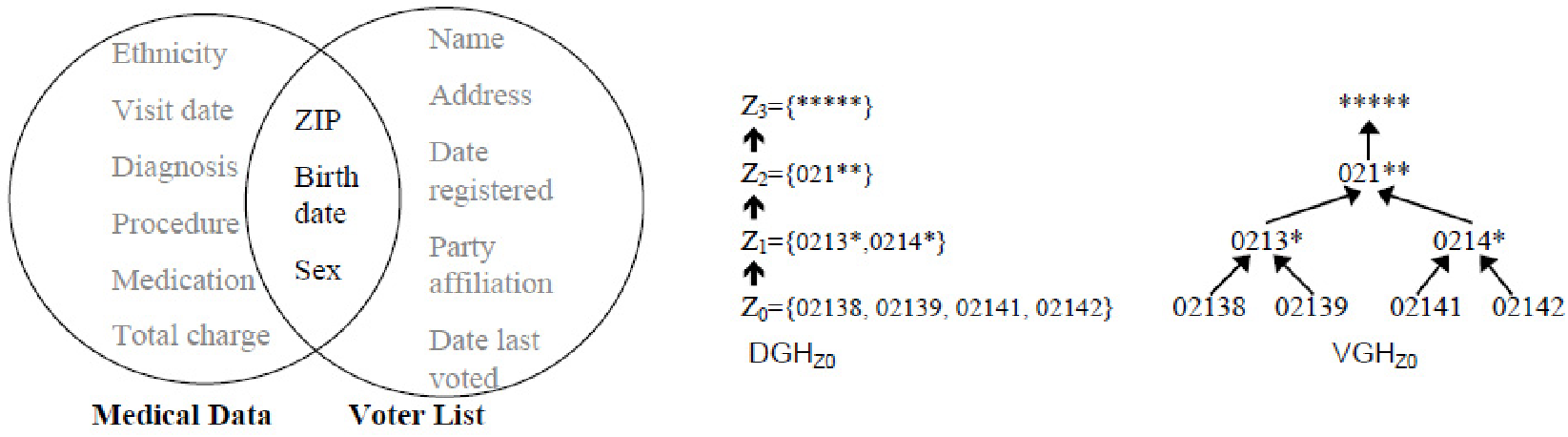 Figure 1: The hierarchy of generalization where specific values move toward more abstract, "anonymized" domains.
The MediPalCommunity Architecture
The prototype serves as a full-stack social platform offering:
- Quantified Self-Tracking: Users log symptoms and treatment adherence.
- Peer Support: Interaction with others with similar conditions.
- Export for Research: This is the core innovation. The platform exports data in a format compatible with the UTD Anonymization Tool Box.
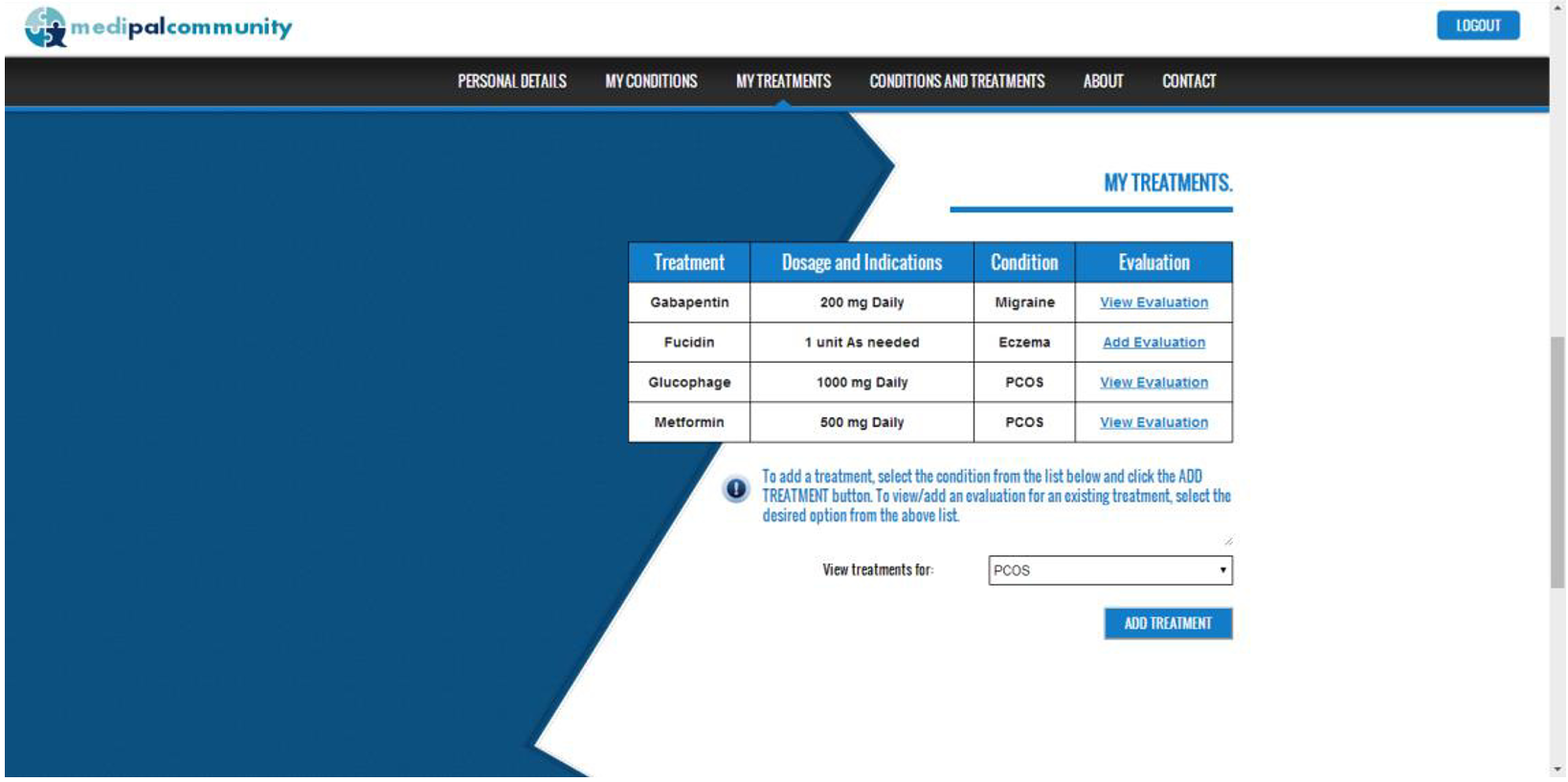 Figure 2: The workflow of data transformation from raw user input to anonymized research output.
Results & Experimental Insight
The authors tested the export of a complex attribute set including {age, gender, condition, treatment effectiveness, side effects}.
They discovered that:
- City data is often too granular: Including "City" almost always required aggressive suppression to reach anonymity.
- Age/Gender Correlation: These two variables are the primary drivers of re-identification risk in niche communities.
- Data Utility: By keeping the "Sensitive Attributes" (treatment effects) in their raw form while only generalizing the quasi-identifiers, the data remained 100% useful for pharmaceutical companies looking for side-effect patterns.
Critical Perspective: Beyond k-Anonymity
While this work provides a vital blueprint for "Privacy by Design" in social networks, it relies on a classic model. Modern privacy research suggests that k-anonymity can still be vulnerable to Homogeneity Attacks (if everyone in the 'k' group has the same disease, you still know the person's diagnosis).
The takeaway for the industry is clear: Social health platforms can no longer treat privacy as a legal checkbox. It must be an automated, algorithmic feature of the data pipeline. As we move toward 2030, the "co-diagnosis" model depends entirely on the Patient Trust that this paper seeks to protect.