
Data Warehousing: The Hidden Catalyst for Organizational Cultural Change
An analysis of the anticipated cultural impacts of the implemementation of data warehouses
This paper investigates the cultural impacts of implementing data warehouses in large U.K.-based enterprises. Using a multiple case study approach and the "Competing Values" framework, it demonstrates that data-driven information flows can significantly modify organizational culture in areas like customer service, empowerment, and flexibility.
Executive Summary
TL;DR: Far from being just a backend storage solution, the implementation of a Data Warehouse acts as a powerful disruption to an organization's status quo. By altering how information flows and who holds it, these systems can forcibly shift a company from an inward-looking, control-oriented culture to one defined by customer-centricity, flexibility, and employee empowerment.
Background Positioning: This research, conducted by Neil F. Doherty and Graham Doig, moves beyond the traditional view that "IT must fit the culture." Instead, it positions IT as a proactive agent of cultural engineering, bridging the gap between technical architecture and social construction in large-scale enterprises.
Problem & Motivation: The "Catch-22" of IT Implementation
Historically, researchers have warned that if a new IT system doesn't match the existing organizational culture, it will be "sabotaged" or rejected. This creates a Catch-22: companies need to change their culture to stay competitive in volatile markets, but they are told not to implement systems that conflict with their current (and perhaps obsolete) culture.
The authors argue that the quality and flow of information—the "lifeblood" of an organization—are the primary drivers of cultural change. If you change how information is accessed, you inevitably change how people think and behave.
Methodology: Mapping Culture via "Competing Values"
The study employed a multi-case approach across eight major U.K. firms. To evaluate the messy, qualitative nature of "culture," the authors utilized a modified Competing Values Framework. This model measures organizations along two axes:
- Flexibility vs. Order
- Internal vs. External Focus
They also integrated Walton’s Control vs. Empowerment continuum to see if information availability actually shifted authority from senior managers to the "front line."
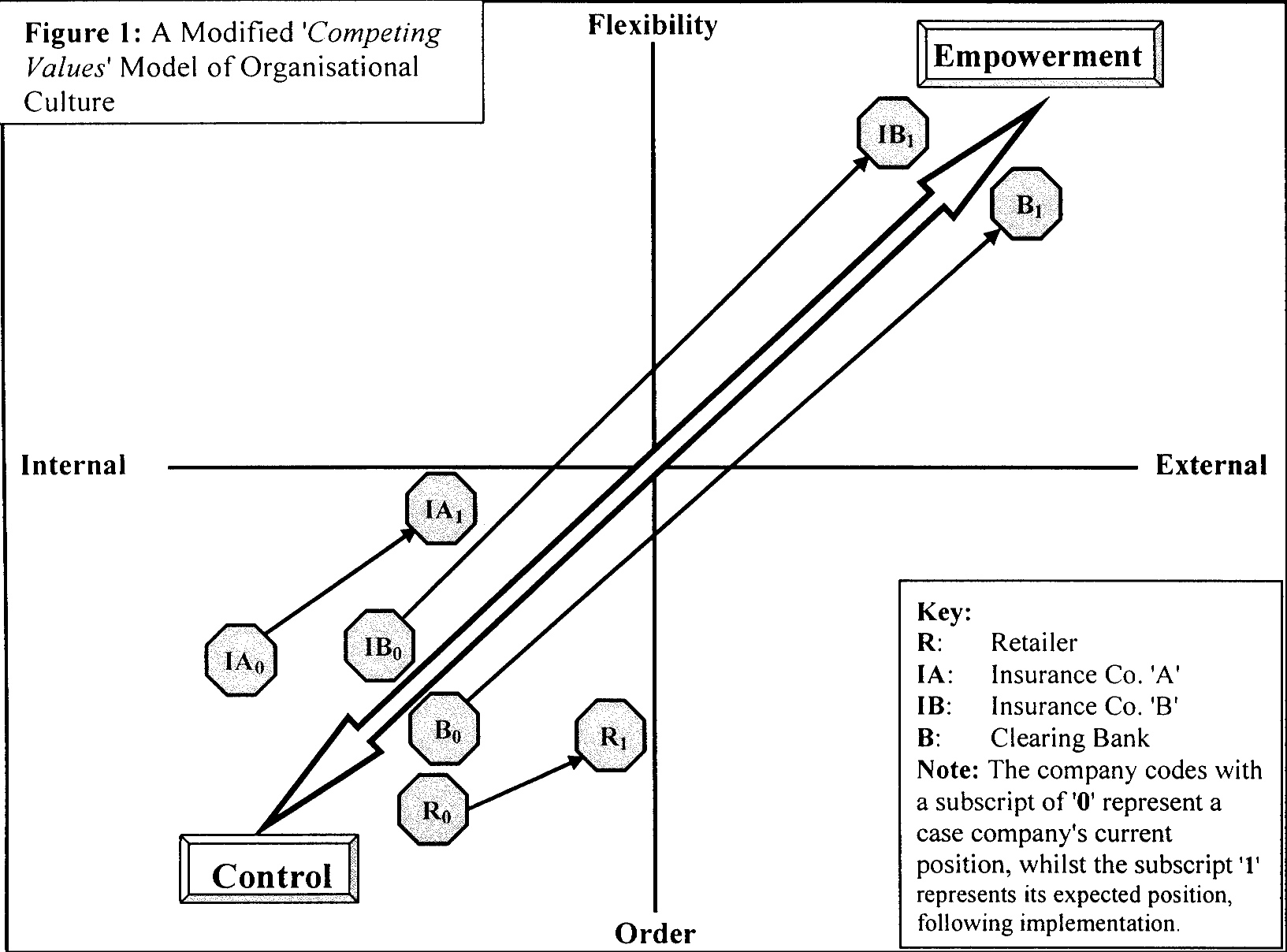 Figure 1: The intersection of Organizational Control and Competing Values.
Core Findings: The Four Dimensions of Transformation
The researchers identified four key cultural areas where Data Warehouses had the most impact:
- Customer Service: Shifting from "following procedures" to "meeting customer needs" by providing a unified view of the consumer.
- Flexibility: Transitioning from stability-seeking to nimbleness, allowing firms to react to market changes in weeks rather than months.
- Empowerment: Removing "information intermediaries." When staff have direct access to data, the need for supervisory intervention drops.
- Integration: Breaking down "functional silos" (e.g., Underwriting vs. Claims) by creating a "single version of the truth."
Cross-Case Evidence
As seen in the table below, the impact varied by organization. The Clearing Bank and Insurance Company 'B' saw "Highly Significant" changes across almost all dimensions.
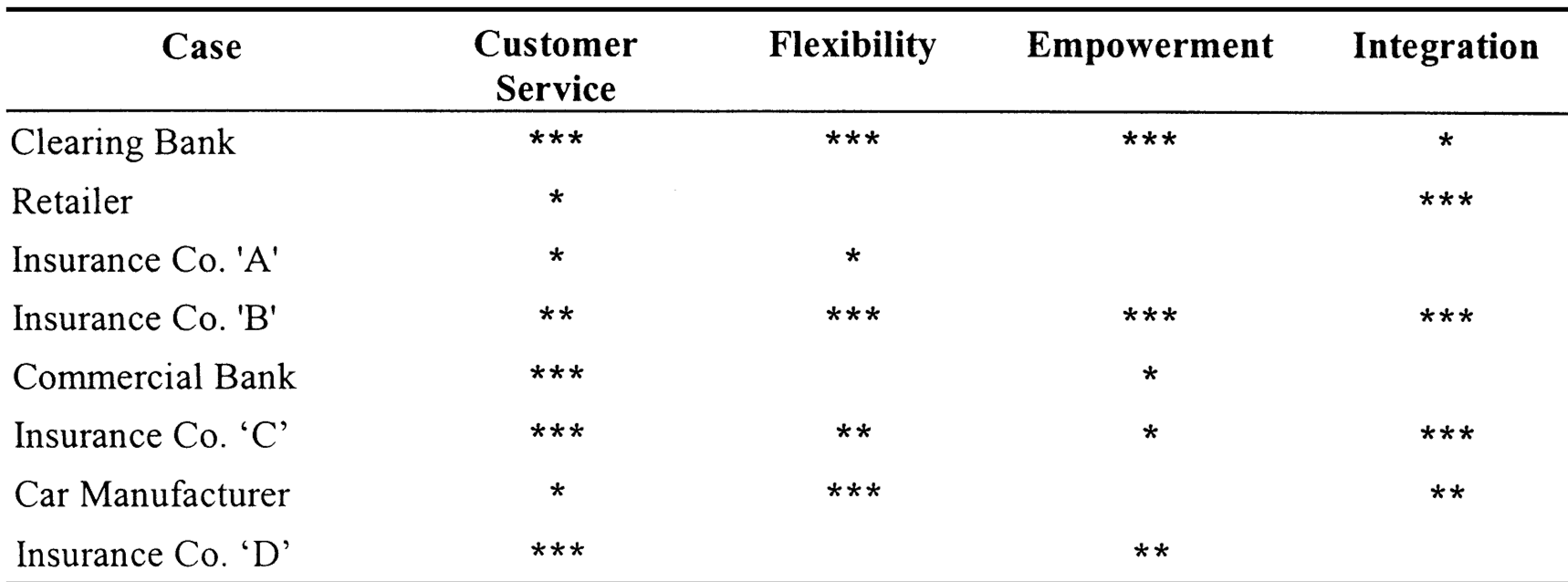 Table 1: Strategic impact levels across different sectors.
Critical Analysis: Why IT Isn't a "Quick Fix"
The authors provide a stark warning: Technology alone is insufficient.
While a Data Warehouse provides the potential for empowerment, it does not provide the motivation or authority. The study observed that the most successful transformations (like the Clearing Bank) paired their technical rollout with:
- Regular staff newsletters and "culture workshops."
- Massive retraining programs to move from process-orientation to customer-orientation.
- Structural re-engineering to explicitly delegate decision-making power.
Limitations
The study acknowledges that since it was conducted during the implementation phase, many of the impacts were anticipated rather than realized over decades. Culture is notoriously persistent; "basic assumptions" at the deepest level (Schein’s Layer 3) may take years to shift, even if the "artifacts" (Layer 1) change quickly.
Conclusion & Future Outlook
The essential takeaway for CIOs and Tech Leaders is that Data Warehousing is a socio-technical project, not a database project.
- Be Realistic: Recognition of benefits takes months or years.
- Be Proactive: Don't wait for culture to "accept" the system; use the system to build the culture you need to survive.
- Future Work: As we move into the era of AI and real-time data streaming, the pressure on organizational culture to be "flexible" will only intensify. The frameworks provided here remain a vital roadmap for navigating that transition.