
Intelligent Precision: Redefining Digital Marketing with AI and Big Data Analytics
Application of Artificial Intelligence and Big Data Technology in Digital Marketing
This paper explores the integration of Big Data and Artificial Intelligence (AI) to enhance precision in digital marketing. Using a hotel chain as a case study, the authors implement an intelligent framework—comprising K-means clustering, CHAID decision trees, and the RFM model—to achieve refined customer segmentation and targeted promotional strategies.
TL;DR
In the age of 5G and information explosion, "blanket" marketing is no longer viable. This research presents a robust framework for Intelligent Digital Marketing by combining K-means clustering, RFM analysis, and CHAID decision trees. Using a real-world case study of a hotel chain with over 24,000 customers, the paper demonstrates how AI can transform raw data into precise consumer "portraits," enabling targeted activations that significantly boost engagement and ROI.
The Motivation: Moving Beyond "Inaccurate" Marketing
The core pain point identified by authors Fang Gao and Lan Zhang is the imprecision of traditional digital marketing. While companies have access to vast amounts of data (the five Vs: Value, Velocity, Variety, Volume, and Veracity), they often lack the tools to extract meaningful potential.
The industry's challenge is two-fold:
- Dynamic Complexity: Consumer behavior is no longer linear; it is influenced by social media (Douyin/WeChat), short videos, and real-time trends.
- Computational Barriers: Traditional random sampling or manual analysis cannot handle the scale of modern user databases.
Methodology: The Intelligent Decision Framework
The paper proposes a holistic decision model that moves from raw data to market action. The synergy of four key algorithms forms the backbone of this approach:
- RFM Model: Evaluates customer lifetime value based on how recently they purchased, how often, and how much they spent.
- K-means Clustering: Groups the population into distinct segments where intra-group similarity is maximized.
- CHAID Decision Tree: An intuitive algorithm based on chi-square tests that predicts which customers are most likely to respond to specific activities.
- Pareto Principle (80/20 Rule): Focuses marketing resources on the 20% of high-value customers who generate 80% of the revenue.
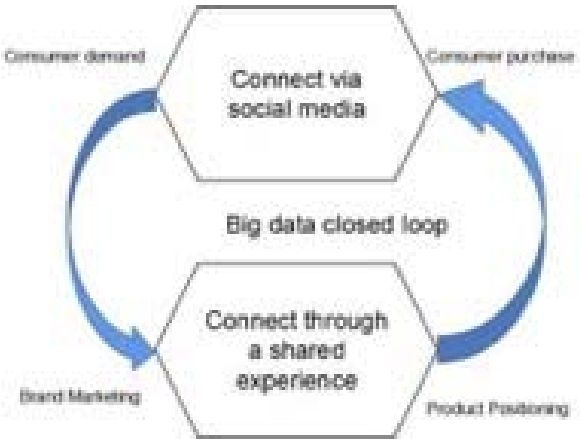 Figure 1: The architecture of the proposed intelligent marketing system, bridging digital multimedia and target databases.
Case Study: H Hotel Group
The authors applied this framework to a target group of 24,173 customers. By utilizing a Customer Data Platform (CDP), they moved beyond simple records to create a "Consumer Demand Training Model."
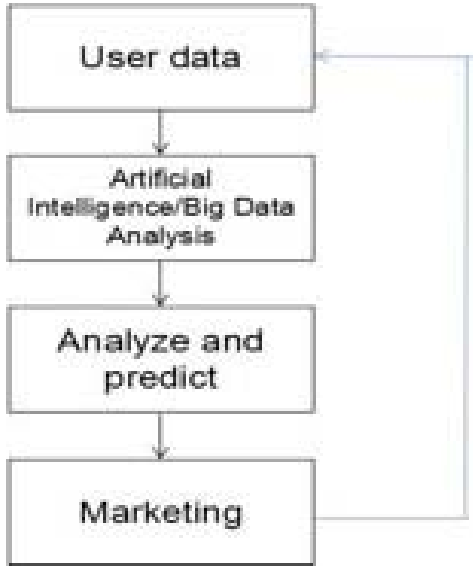 Figure 2: The process of evolving raw data into behavior prediction and personalized resonance.
Key Quantitative Findings:
- Segmentation: The clustering algorithm identified four distinct categories of customers (see Table 1 in the paper).
- Targeting: Three high-value personas emerged—High-value business travelers, frequent holiday travelers, and high-intent prospects.
- Action: By deploying Programmatic Advertising and SMS delivery tailored specifically to these segments, the group achieved a higher degree of satisfaction and operational efficiency.
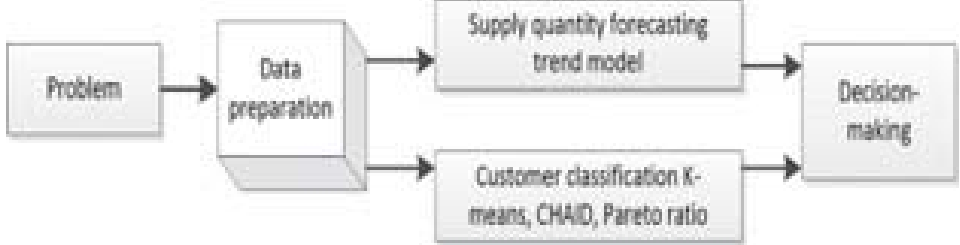 Figure 3: The decision logic flow, from RFM classification to final market action.
Critical Insights & Conclusion
The research concludes that while AI and Big Data are "leading the transformation," they are not a total replacement for human intuition.
Academic Takeaway: The integration of inductive bias (via RFM) and unsupervised learning (via K-means) creates a powerful heuristic for business intelligence. However, the "interactive behavior of communication" is a qualitative frontier that machines still struggle to conquer.
Future Outlook: The shift from Digital Marketing to Intelligent Marketing is inevitable. The next step in this research lineage will likely involve integrating Deep Learning and NLP to better understand the "sentimental" value behind social media interactions like short video comments and WeChat shares.