
RoBERTa vs. The Pandemic: Decoding the Global Emotional Pulse via Deep Learning
Applying and Understanding an Advanced, Novel Deep Learning Approach: A Covid 19, Text Based, Emotions Analysis Study
This research implements a multi-class emotion classifier for global COVID-19 pandemic management using Transfer Learning and the RoBERTa (Robustly Optimized BERT Pretraining Approach) model. By analyzing over 2 million tweets from February to June 2020, the study achieved a SOTA classification accuracy of 80.33% and an MCC score of 0.78.
TL;DR
During the early months of COVID-19, the world didn't just feel "bad"—it felt a complex spectrum of worry, surprise, and resilient enthusiasm. This study moves beyond simple sentiment analysis by deploying RoBERTa, a robustly optimized BERT variant, to classify eight distinct emotions across 2 million tweets. With a 80.33% accuracy, the research provides a roadmap for using AI to understand public mental health during global "exogenous shocks."
Background Positioning
In the academic landscape of 2021, most COVID-19 NLP research focused either on misinformation detection or basic sentiment polarity. This work carves out a niche in Emotion Analysis (EA), moving from 1D (Positive/Negative) to a multi-dimensional emotional space, positioning AI as a critical tool for management studies and pandemic policy evaluation.
1. The Core Challenge: Beyond "Thumbs Up/Down"
Why do we need sophisticated Emotion Analysis? During a lockdown, a "negative" sentiment could mean anger at the government, sadness over loss, or worry about finances. Each requires a different policy response.
Prior Work Limitations:
- Lexicon-based approaches: Struggle with context and sarcasm.
- Standard ML (SVM/NB): Often fail to capture the deep semantic relationships in short, noisy microblogging text.
- Data Scarcity: There was no "COVID-specific" labeled emotion dataset at the time.
2. Methodology: Transfer Learning & RoBERTa Architecture
The authors utilized Transfer Learning to bridge the data gap. They took the pre-trained RoBERTa-base (12 layers, 125M parameters) and fine-tuned it on a specialized 3,500-entry labeled dataset combining CrowdFlower data and Reddit's r/depression posts.
The Model Pipeline
- Byte-level BPE Tokenization: Handling the idiosyncratic nature of Twitter text.
- Dynamic Masking: Unlike BERT's static masking, RoBERTa changes the masking pattern during training, leading to better robustness.
- Optimization: Implementation of the AdamW optimizer to prevent weight decay issues found in standard Adam.
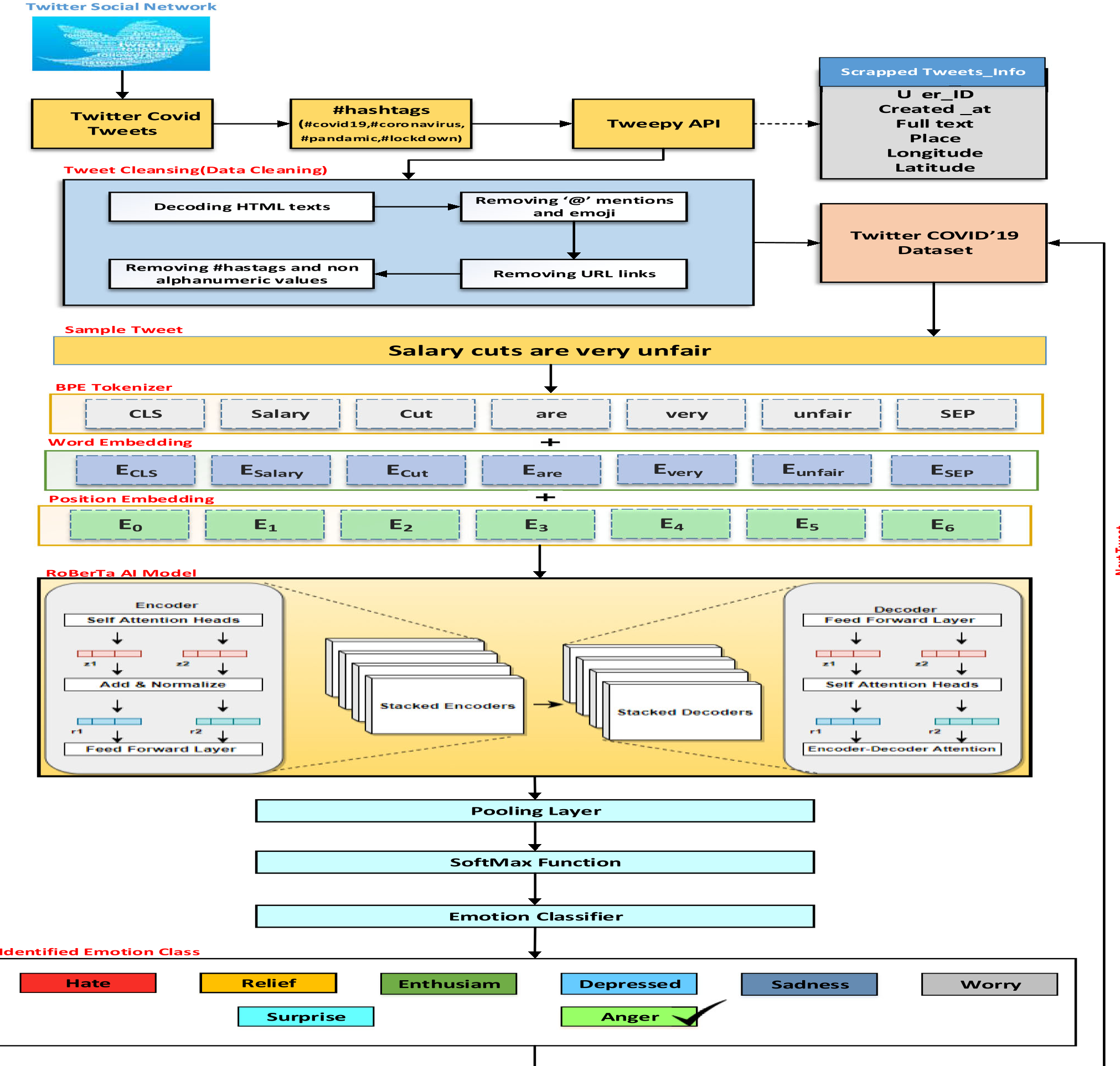 Fig 1: The overall analytical process combining social media collation with deep learning classification.
3. Findings: A Chronological Journey of Emotion
The study breaks down emotional trends across five months (Feb–June 2020) and multiple continents.
Key Performance Metrics
The RoBERTa model demonstrated superior performance over LSTM and standard BERT, particularly in the Matthews Correlation Coefficient (MCC), achieving 0.78—indicating a high-quality classification even across diverse emotional categories.
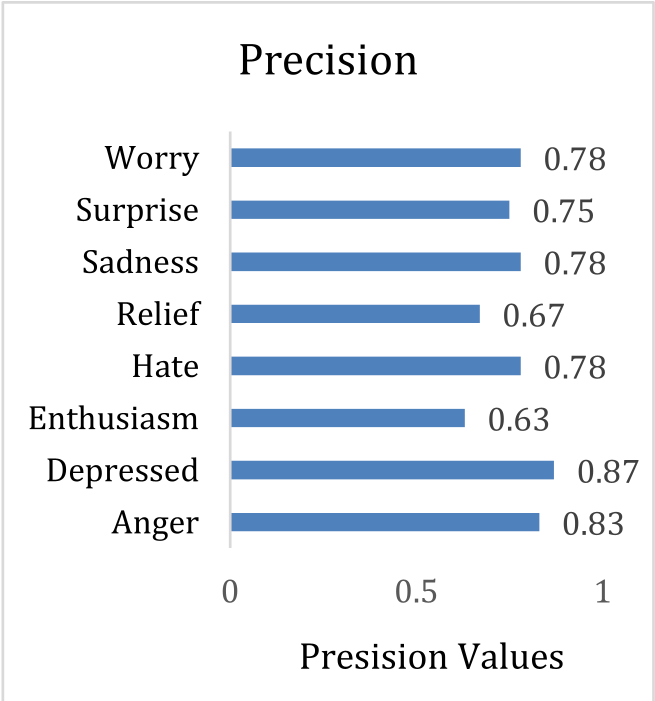 Fig 2: Performance comparison showing RoBERTa's lead in accuracy and F1-measure.
The "Worry" Peak and the "Hate" Shift
- February/March: "Worry" dominated the global landscape as the virus spread.
- April/May: A pivot toward "Hate" and "Anger" was observed. The researchers attribute this to financial distress and the psychological burden of long-term isolation.
- The "Modi Effect": Interestingly, India showed high levels of "Enthusiasm" in March/April, which the authors correlate with nationalistic resilience and specific government communication strategies.
4. Critical Insights: What This Means for the Future
This isn't just a technical exercise; it's a Socio-Technical Intervention.
For Policymakers:
AI acts as a "Social Mirror." By seeing a peak in "Hate" in May, a government can deduce that financial relief packages are perhaps more urgent than health updates at that specific moment.
For Industry:
Organizations can use similar EA frameworks to monitor workforce morale during remote work transitions, identifying "Depression" or "Sadness" markers that simpler tools might miss.
Limitations:
- Demographic Bias: 30.9% of Twitter users are aged 25-34. The "Elderly voice" is largely missing from this dataset.
- Language Barrier: The study focused on English tweets, which likely skewed the results for non-Anglophone countries like China or Italy.
Conclusion
The study successfully proves that Deep Learning-based Emotion Analysis can convert massive amounts of "digital exhaust" (tweets) into actionable psychological insights. While the pandemic was a tragedy, the technical frameworks developed to understand it—like this RoBERTa implementation—will be vital for managing the next global challenge.
Takeaway: Advanced NLP transforms Twitter from a shouting match into a sophisticated sensor for global mental health.