
The ChatGPT Paradox: Efficiency vs. Autonomy in Modern Pedagogy
Artificial Intelligence (AI) in Education: A Case Study on ChatGPT’s Influence on Student Learning Behaviors
This study investigates the adoption of ChatGPT at the Ho Chi Minh City University of Technology and Education (HCMUTE) using a mixed-methods approach. It evaluates how Generative AI influences student learning behaviors, identifying a significant shift toward AI-assisted information retrieval while highlighting critical ethical and cognitive risks.
TL;DR
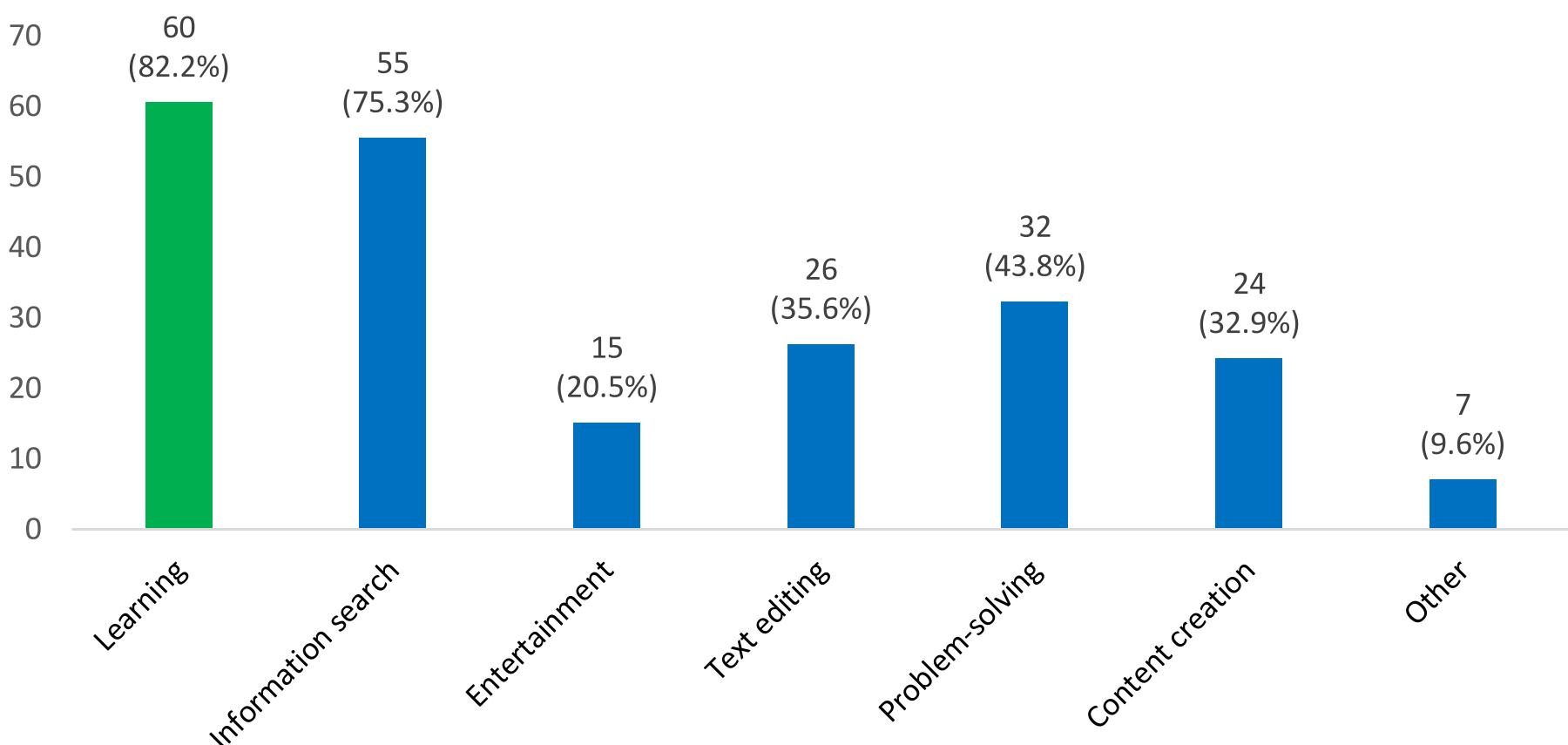
A new case study from Vietnam’s HCMUTE reveals that while ChatGPT has achieved near-ubiquitous adoption among students for academic support (82.2% usage rate), it brings a "dependency tax." The research highlights a troubling correlation between AI usage and a perceived decline in independent research capabilities and creative thinking.
Background: AI as the New Digital Literacy
In the context of Industry 4.0, digital competence has transitioned from a specialized skill to a survival mechanism. This paper situates ChatGPT not merely as a chatbot, but as a disruptive force in the Vietnamese higher education landscape, where traditional philosophical emphasis on moral and talent development meets modern technological acceleration.
The "Double-Edged Sword": Insights and Motivation
The researchers were motivated by a clear gap: while Western institutions have heavily debated AI, there is sparse empirical data on how students in developing educational hubs like Vietnam integrate these tools. The core "Insight" of the study is that AI's greatest strength—reducing cognitive load—is also its greatest threat, potentially creating a "cognitive atrophy" where students bypass the struggle necessary for deep learning.
Methodology: A Multi-Dimensional Framework
To move beyond superficial usage statistics, the study applied two rigorous theoretical lenses:
- Technology Acceptance Model (TAM): Analyzing why students find ChatGPT "useful" (perceived performance gain) vs. "easy" (effort reduction).
- Cognitive Load Theory (CLT): Investigating if AI helps manage mental effort or if it simply eliminates the productive struggle required for authentic learning.
Core Findings: The Adoption Landscape
The results paint a picture of a student body that is highly tech-savvy but ethically conflicted:
- Ubiquity: Over 74% of the sample had active experience with AI.
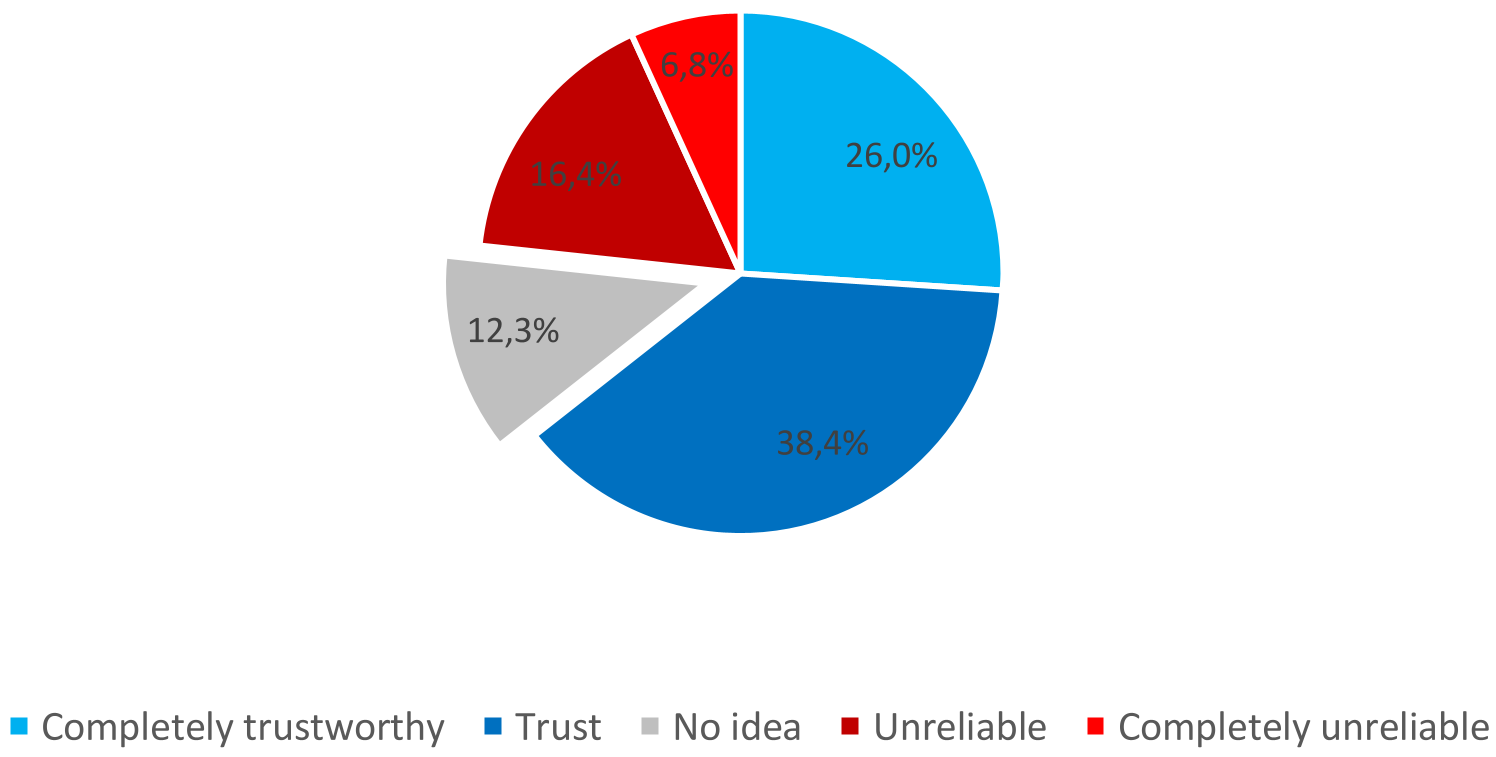
- Trust: Despite known issues with "hallucinations," 64.4% of students view the information as trustworthy for idea generation.
- Utility: Students use it for everything from summarizing long lectures (58.9%) to translation (45.2%) and content creation (54.8%).
The Dark Side of the Algorithm
The paper doesn't shy away from the negative externalities of AI dominance. A staggering 83% of students acknowledged a growing overreliance that hinders independent problem-solving. Furthermore, 71% expressed anxiety regarding data privacy and the security of their academic information.
SOTA Comparison: Beyond Top-Down Leadership
Unlike traditional educational technology adoption—which is often driven by "Technology Leadership" from the top-down (e.g., Alenezi, 2016)—the researchers found that ChatGPT adoption is grassroots and social-media driven. This creates a "Policy Vacuum" where students are using tools that faculty have yet to officially incorporate into the curriculum.
Critical Analysis & Conclusion
This study serves as a vital wake-up call for higher education institutions. The "Takeaway" is clear: Banning AI is futile; ignoring its impact is dangerous.
Limitations: The study is limited by its sample size (n=73) and its focus on a single institution. Future work must look at longitudinal data—does a student who uses GPT throughout their freshman year actually lose the ability to write a thesis by their senior year?
Final Thought: We must transition to a "Digital-Friendly Ecology." Educators should design assignments that are "AI-Resistant" (focusing on local context and personal reflection) while teaching students to use AI as a "Co-Pilot" rather than an "Auto-Pilot."