
AI and IoHT: The Digital Lifeline for Alzheimer’s Care in the Post-Pandemic Era
Artificial and Internet of Healthcare Things Based Alzheimer Care During COVID 19
Deeply examining the nexus of geriatric care and digital health, this paper proposes an AI-enabled Internet of Healthcare Things (IoHT) framework specifically designed for Alzheimer’s Disease (AD) management during the COVID-19 pandemic. It leverages Machine Learning (ML) for real-time anomaly detection and remote monitoring to sustain neurodegenerative patient care amidst social distancing mandates.
1. TL;DR
The COVID-19 pandemic exposed a critical vulnerability in managing chronic, neurodegenerative conditions like Alzheimer’s Disease (AD), where social distancing disrupts the essential routine of physical care. This paper advocates for a transition toward AI-based Internet of Healthcare Things (IoHT). By integrating wearable sensors, fog computing, and cloud-based machine learning, the authors propose a framework that enables real-time anomaly detection and remote clinical monitoring, ensuring AD patients receive continuous care even when hospital access is restricted.
2. Problem & Motivation: The Alzheimer’s Paradox
Alzheimer’s patients face a unique "double-threat" during a pandemic:
- Cognitive Barriers: AD patients often struggle with hygiene protocols (e.g., hand washing) and social distancing rules due to progressive memory impairment.
- Fragile Care Continuity: Management of AD isn't about a "cure" but about slowing progression through rigorous routine—a routine that COVID-19 obliterated by shutting down clinics and rehabilitative therapy sessions.
The authors identify a clear gap: existing healthcare systems were too reliant on physical presence. The motivation, therefore, is to create a "virtual safety net" using ubiquitous technology.
3. Methodology: A Multi-Tiered IoHT Architecture
The core of the paper is an integrated architecture designed to move data from the patient’s body to the clinician's dashboard seamlessly.
The Hierarchical Framework:
- Embedded Level (The Sensors): Utilizing smartphones, wearables, and cameras to collect raw data like heart rate, oxygen saturation (SpO2), and movement.
- Fog Computing (The Edge AI): Processing time-sensitive data locally. For instance, if an accelerometer detects a signature "fall" pattern, the alert is generated immediately at the edge to save critical minutes.
- Cloud Computing (The Big Data Intelligence): Historical data is synced to cloud-based Electronic Health Records (EHR), where complex Deep Learning models analyze long-term disease progression and provide visualized insights for doctors.
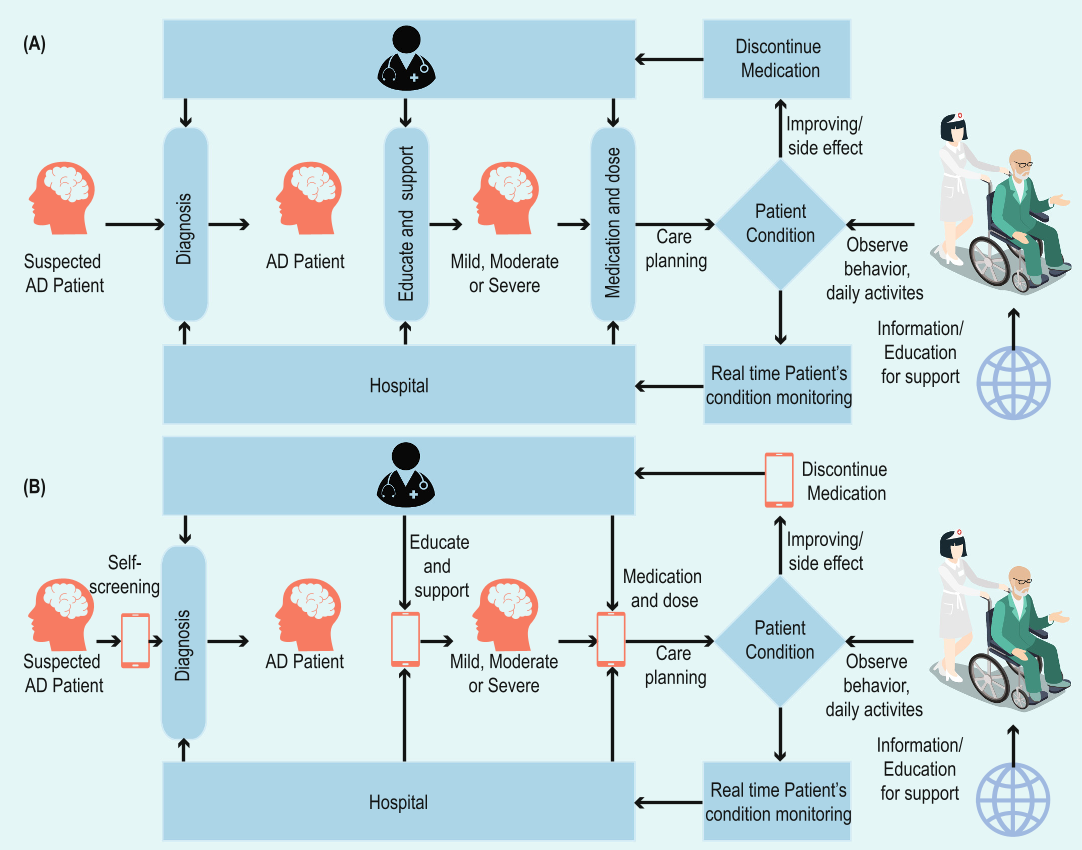 Figure 1: Conceptual overview of the patient management system using IoHT and remote AI diagnostics.
4. Key Recommendations and Implementation
The paper doesn't just stop at the technology; it bridges the gap with actionable policy.
- For Care Homes: Implementation of electronic care plans and remote training for staff to handle digital pulse oximetry and consciousness monitoring.
- For Families: The "AI-Watchdog" approach. Using smartphone sensors for tracking (with privacy safeguards) and utilizing video-conferencing for social stimulation to combat the loneliness that accelerates cognitive decline.
- Policy Level: The creation of specialized 24/7 "AD Digital Response Teams" and government-backed financial support for telehealth infrastructure.
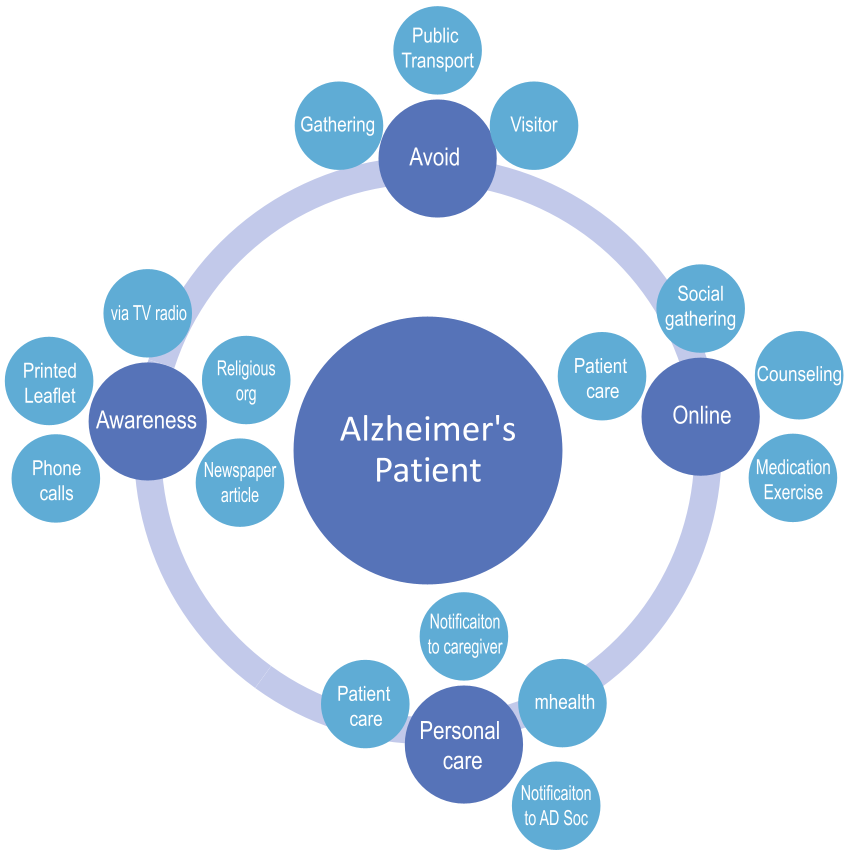 Figure 2: Summary of recommendations ranging from hygiene reminders to AI-based remote monitoring.
5. Critical Analysis & Future Outlook
While the proposed framework is robust, its success hinges on several factors that the authors touch upon:
- The Digital Divide: Not all geriatric patients have access to high-speed internet or high-end wearables.
- Privacy vs. Safety: Continuous camera monitoring and GPS tracking of AD patients present significant ethical challenges.
- Integration: Seamlessly porting sensor data into legacy hospital EHR systems remains a technical hurdle.
The Takeaway
The pandemic acted as a catalyst. This research signals a paradigm shift where AI is no longer just a research tool for AD (like MRI analysis) but a frontline clinical tool for daily management. The integration of Machine Learning-based anomaly detection at the "Fog" level represents the next frontier in proactive, rather than reactive, elder care.
Conclusion
By combining the "Internet of Things" with "Artificial Intelligence," we can create a resilient healthcare environment that protects the most vulnerable during global crises. The future of Alzheimer’s care is remote, data-driven, and intelligently connected.