
ANN Techniques for FASD: Decoding Cognitive Fingerprints from Psychometric Data
Artificial Neural Network techniques to distinguish children with Fetal Alcohol Spectrum Disorder from psychometric data
The paper presents an Artificial Neural Network (ANN) approach to classify children with Fetal Alcohol Spectrum Disorder (FASD) using non-invasive psychometric data. Utilizing a dataset of 20 distinct psychological tests, the model achieves a competitive diagnostic accuracy of 75.5% on unseen testing data.
TL;DR
Diagnosing Fetal Alcohol Spectrum Disorder (FASD) remains a clinical challenge when physical symptoms are absent. This study explores using Artificial Neural Networks (ANNs) to classify FASD based solely on a battery of 20 psychometric tests. The model achieved a notable 75.5% accuracy on testing data, proving that machine learning can detect subtle cognitive signals resulting from prenatal alcohol exposure, though further refinements are needed for clinical-grade reliability.
Context & Motivation: The Hidden Disorder
FASD is an umbrella term for a range of conditions caused by prenatal alcohol exposure, the most severe being Fetal Alcohol Syndrome (FAS). The primary hurdle in clinical settings is the "invisible" nature of the damage; without documented alcohol exposure or specific facial features, FASD is easily confused with ADHD or other learning disabilities.
Existing psychometric tools like the NEPSY-II are effective but lack a definitive "classifier" for FASD. The author's intuition is that ANNs, known for identifying non-linear patterns in complex data, could "learn" the specific cognitive profile (attention, memory, sensorimotor) that defines FASD across 20 distinct psychological domains.
Methodology: Engineering the Neural Classifier
The study utilized an open-access dataset containing results from 128 children (58 FASD/70 Control).
1. Architectural Setup
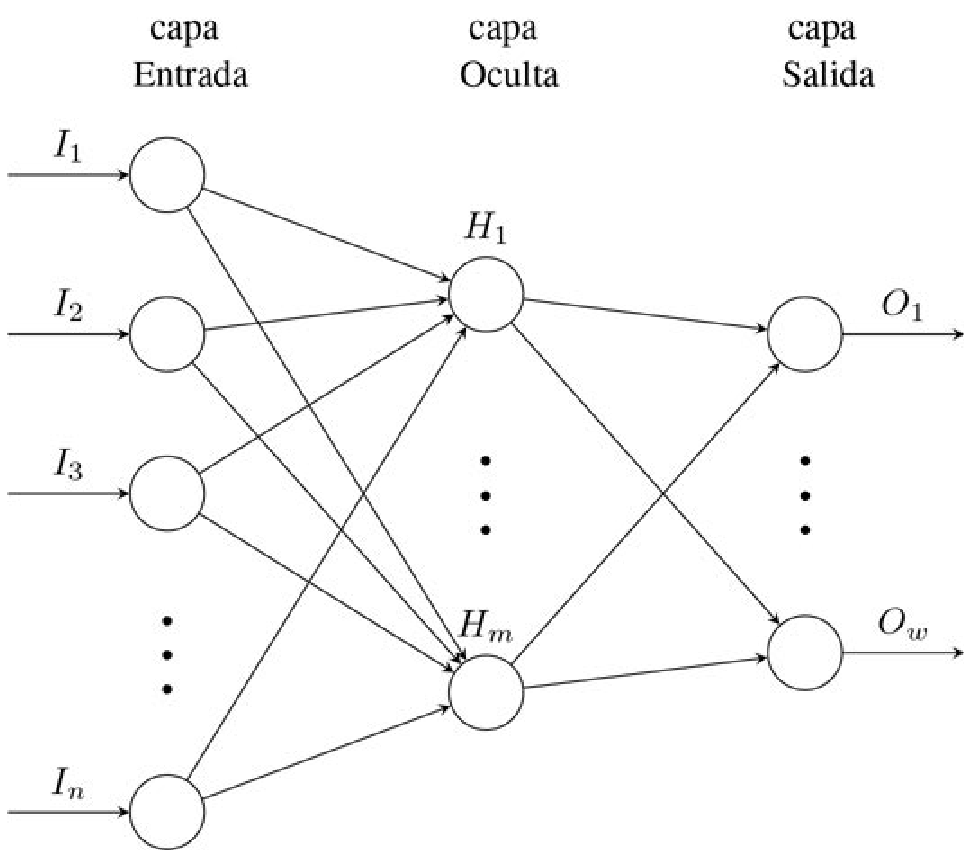
The authors experimented with several configurations, but the most robust results came from a 3-layer architecture:
- Input Layer: 20–25 neurons (mapping to psychometric evaluation domains).
- Hidden Layer: 15–50 neurons.
- Output Layer: 2 neurons (FASD vs. Control).
2. Overcoming Data Sparsity with Leaky ReLU
A critical technical choice was the use of the Leaky ReLU activation function. Unlike the standard ReLU, which zeroes out negative values and can lead to "Dead Neurons" in models with non-normalized data (like test scores ranging from 1 to 100), Leaky ReLU allows a small, non-zero gradient. This ensures the network continues learning even when some inputs are poorly scaled.
Experiments & Results: ANN vs. SVMR
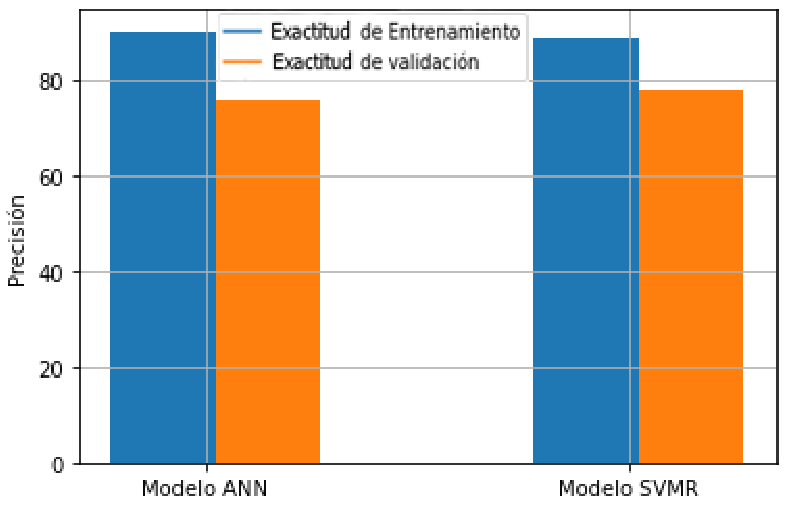
The performance was measured against the current SOTA baseline for this dataset, Support Vector Machine Regression (SVMR).
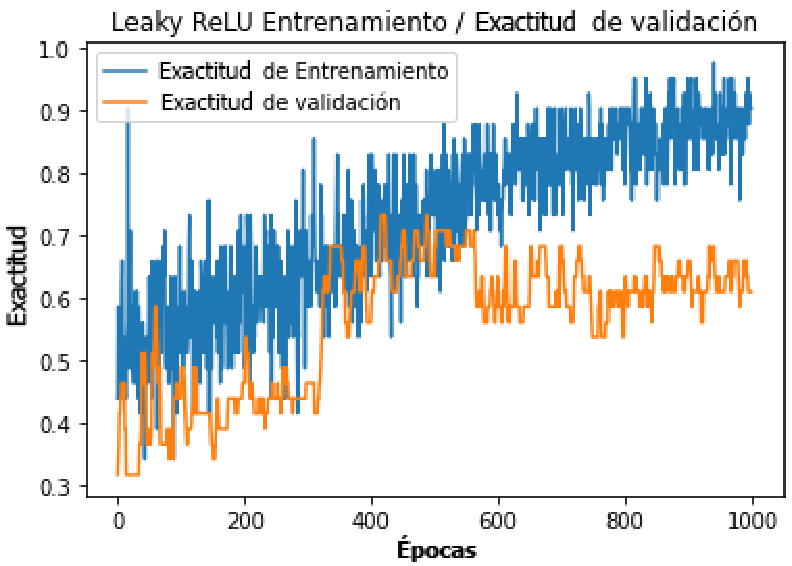
- Accuracy Peaks: The ANN achieved 90.24% training accuracy, but dropped to 75.55% during validation.
- Confusion Matrix Analysis: The model was particularly strong at identifying positive FASD cases (42% true positives out of 48% total FASD population). However, it struggled with "False Negatives," likely because some children in the control group may have had similar neurodevelopmental delays (e.g., ADHD) or undiagnosed exposure.
Comparison with SVMR
While SVMR performed slightly better on the test set (79% vs 75.5%), the ANN demonstrated its potential as a flexible alternative. The discrepancy suggests that ANNs are prone to overfitting with small datasets (n=128), whereas SVMR is more stable with fewer parameters.
Critical Analysis & Conclusion
Takeaway
The study confirms that psychometric data contains a "digital fingerprint" of FASD. Machine learning can distinguish this from normal development with significant accuracy, offering a non-invasive screening path.
Limitations & Future Work
- Small Sample Size: Neural networks thrive on "Big Data." 128 subjects is the bare minimum, leading to the observed drop in validation accuracy.
- Diagnostic Sensitivity: A 75% accuracy is competitive but insufficient for a primary medical diagnosis.
- Future Outlook: The next generation of this research should focus on Multimodal Fusion—combining psychometric scores with brain volume data from MRIs or eye-tracking metrics to push accuracy beyond the 90% threshold required for clinical implementation.
Regardless of the current limitations, this work bridges the gap between traditional psychology and artificial intelligence, paving the way for more accessible diagnostic tools in maternal-child health.