
Deciphering Digital Dependency: A Multimodal Approach to SNS Addiction
Assessing Symptoms of Excessive SNS Usage Based on User Behavior and Emotion
This paper presents a multimodal framework to detect symptoms of excessive Social Networking Site (SNS) usage by integrating self-report questionnaires, objective SNS API data from Facebook and Twitter, and biological signals. The researchers developed a web-based "quiz" application to bridge the gap between perceived and actual digital behavior, specifically targeting early addiction symptoms.
TL;DR
With over 30% of the global population active on Social Networking Sites (SNS), the line between "checking in" and "addiction" is blurring. This paper introduces a comprehensive framework to detect excessive SNS usage by merging human psychology (questionnaires) with hard data (APIs) and physiological metrics (biological signals).
Background: The Hidden Cost of Connectivity
While SNS platforms facilitate global interaction, the academic community has noted a sharp rise in negative externalities: degraded academic performance, sleep deprivation, and impaired social functions. The authors position this work as a preventive intervention, aiming to build a system that alerts users before usage becomes pathological.
Motivation: Why Questionnaires Aren't Enough
The "Self-Report Bias" is a major hurdle in behavioral science. Users often underestimate their screen time or "context-switch" so frequently that they lose track of their usage patterns. To solve this, the researchers argue that we need Objective Measurement—direct data from the source (Facebook and Twitter APIs) paired with Internal State Assessment (biological signals to measure emotion).
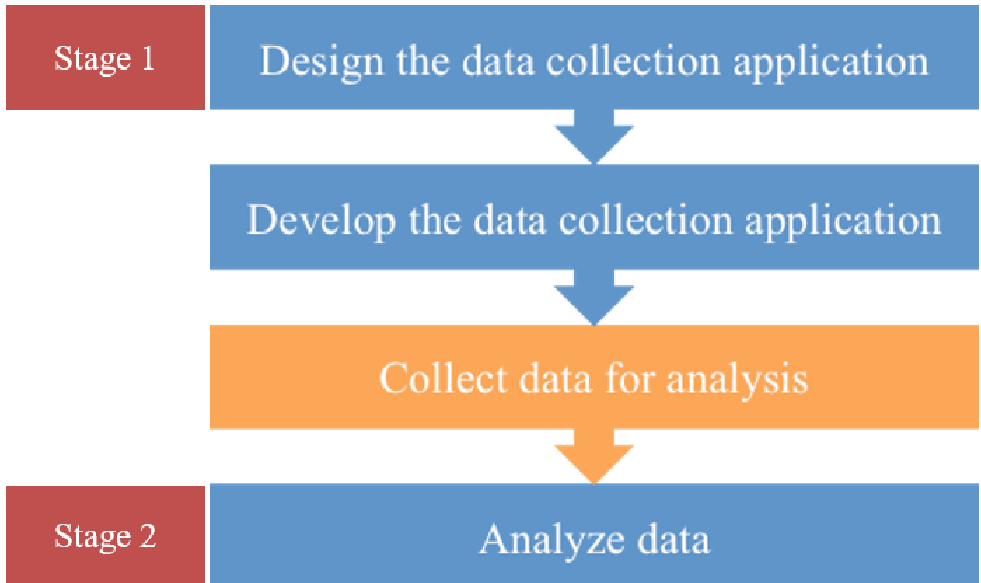
Methodology: The Four-Stage Framework
The paper outlines a rigorous pipeline for identifying at-risk users:
1. The Multi-Source Data Engine
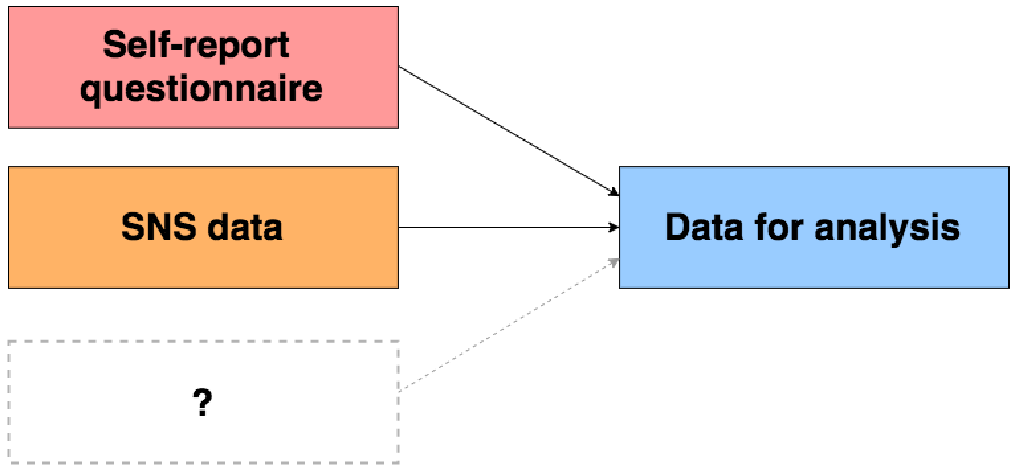
The researchers developed a data collection application that serves two purposes:
- Subjective Data: Administering the Internet Addiction Test (IAT) and the Bergen Facebook Addiction Scale (BFAS).
- Objective Data: Using gamified "quizzes" (e.g., "How often do you tweet?") to gain permission/access to user activity via the Twitter REST API and Facebook Graph API.
2. Behavioral Clustering and Emotion Mapping
The methodology moves beyond simple tallying. It clusters users based on behavioral dimensions (frequency, timing, interaction type) and then maps these clusters to emotional states derived from biological signals. This is the "secret sauce"—understanding if a user is using SNS to cope with negative emotions (Mood Modification), which is a key indicator of addiction.
Experiments and Preliminary Results
Though this is a short paper marking an ongoing study, the initial results show a clear path toward identifying addiction components. By correlating the user groups with the six components of addiction (Salience, Mood Modification, Tolerance, Withdrawal, Conflict, and Relapse), the system can pinpoint exactly why a user is oversharing or over-scrolling.
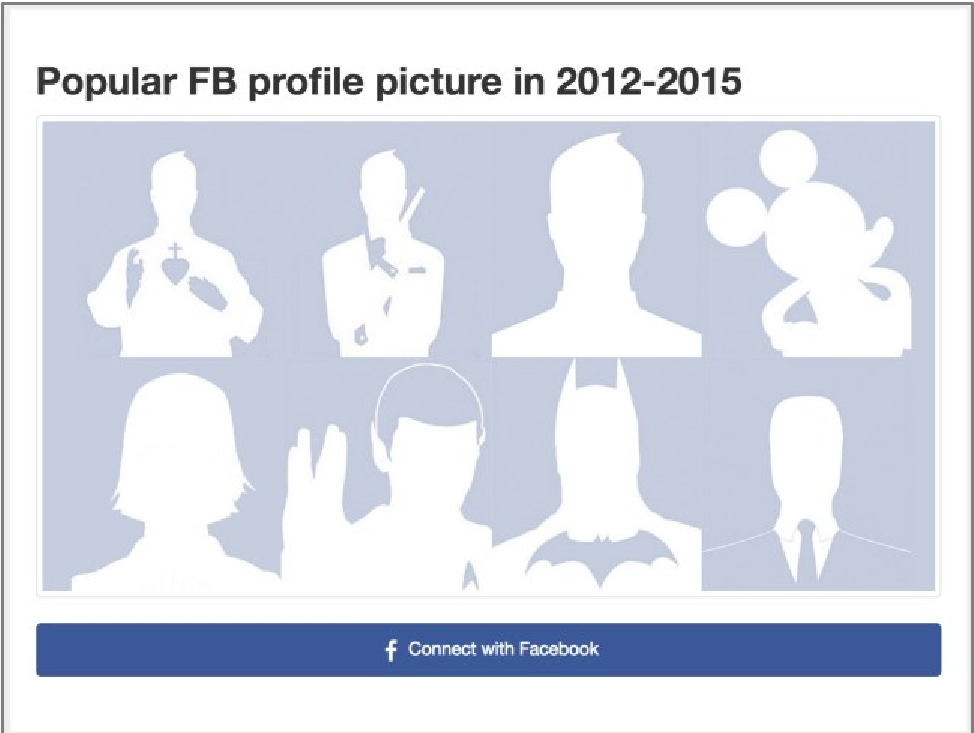 Figure: Clustering behavior allows researchers to see which usage patterns align most closely with clinical addiction scores.
Critical Analysis & Conclusion
Takeaway
The shift from purely psychological surveys to "data-driven psychology" is essential. By treating API logs as a "behavioral fingerprint," this research provides a blueprint for future digital health tools that could eventually be built directly into OS levels (like Apple's Screen Time, but with deeper emotional insight).
Limitations
- API Privacy: Since this paper's publication, Facebook and Twitter have significantly restricted API access, making the "quiz" method harder to implement today.
- The "Biological" Black Box: While the paper mentions biological signals, the specific sensors (wearables vs. cameras) and the accuracy of emotion estimation from these signals remain an area requiring more empirical validation.
Future Outlook
The integration of AI into this framework could allow for predictive modeling—identifying a "slippery slope" behavior before the user even realizes they are developing an addiction. As we move toward more immersive "Metaverses," these multimodal assessment tools will be vital for mental health protection.