
Segmenting the Viral Spark: Why Your Cause-Related Campaign Might Leave the "Middle Class" Indifferent
Segmenting the audience of a cause-related marketing viral campaign
This research investigates the effectiveness of viral Cause-Related Marketing (CRM) using a real-world campaign (Pedigree's pet adoption) to analyze attitudinal shifts. The study utilizes a segment-based approach, categorizing audiences by "affinity" levels—strong, intermediate, and weak—to determine how prior experience with the brand or cause moderates campaign success.
TL;DR
Not all viral views are created equal. A new study from the University of Valencia reveals that while viral Cause-Related Marketing (CRM) can significantly boost brand attitude, its success depends almost entirely on the audience's "affinity level." While it works wonders for brand loyalists and successfully attracts newcomers, it leaves the "intermediate" audience—those familiar with only the brand or the cause—completely unmoved.
Contextualizing the Viral Paradox
In an era where brands are expected to Have a Soul™ (Marketing 3.0), linking a product to a social cause is a standard playbook. But why do some viral campaigns result in a massive brand lift while others just generate "empty" views?
The authors of this study point toward Affinity Marketing. They argue that a consumer's prior history with the brand (buying the food) and the cause (adopting a pet) creates a filter through which the viral message is processed. They set out to measure this "Attitudinal Evolution" using a real-world viral spot from Pedigree.
The Problem: The Indifference of the Informed
Most CRM research looks at the "What" (the message) but ignores the "Who" (the segment). Conventional wisdom suggests that familiarity leads to trust. However, the researchers suspected that mid-level familiarity might actually breed skepticism or indifference—a phenomenon where consumers who are somewhat aware of the brand or cause are harder to impress than those who know everything or nothing at all.
Methodology: The 2x2x3 Experimental Framework
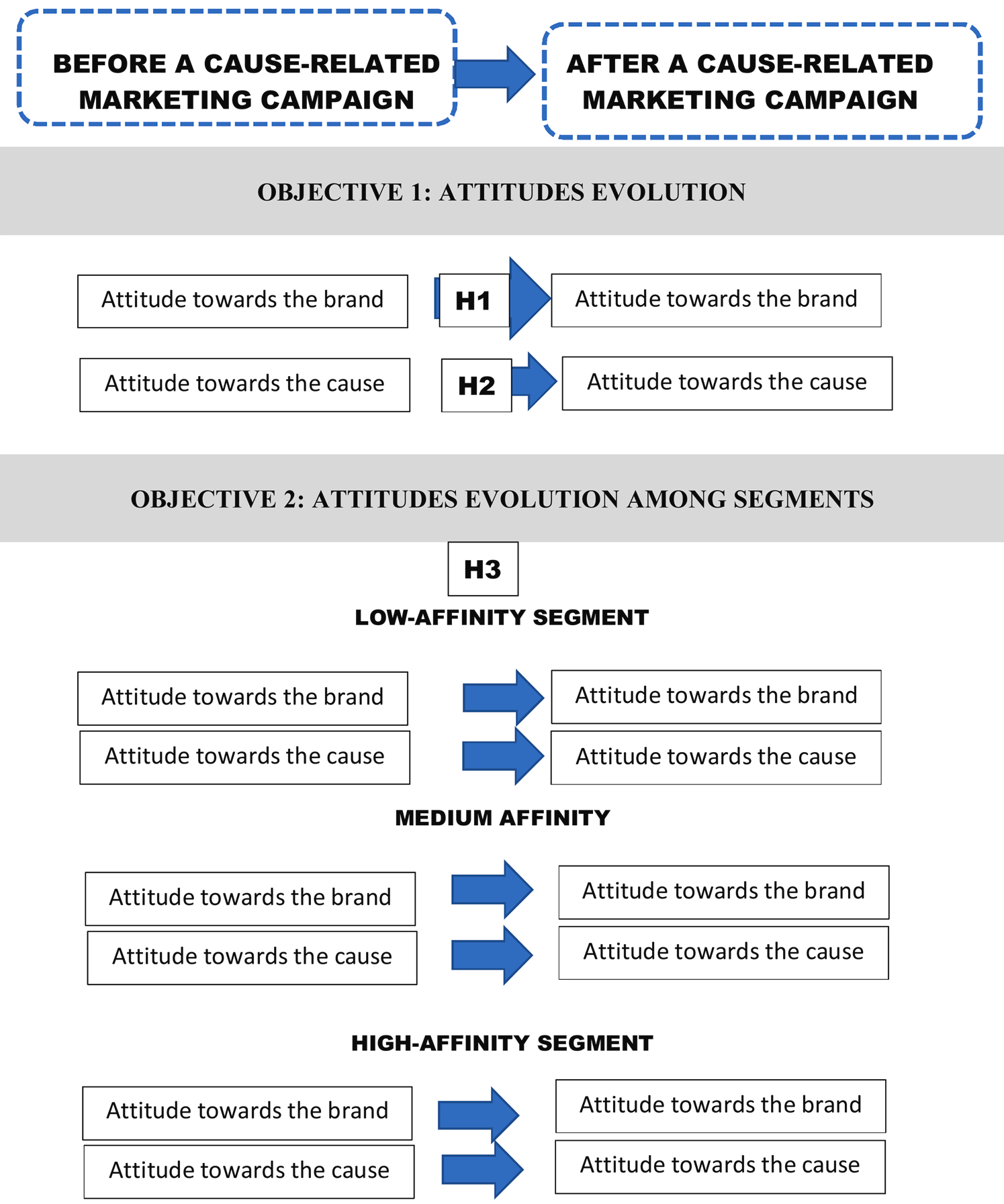
The researchers used a sample of 360 Spanish internet users in a two-phase experiment:
- Phase 1: A general pre-v-post measurement of attitudes toward the brand and cause.
- Phase 2: A segmented analysis using three affinity levels:
- High Affinity: Experienced with both the brand and the cause.
- Intermediate Affinity: Experienced with either the brand or the cause.
- Low Affinity: No prior experience with either.
Key Insights from the Data
1. The Brand Wins, the Cause Breaks Even
On a general level, the viral campaign was a massive success for the brand (attitudes rose significantly), but it barely moved the needle for the cause (pet adoption). This suggests a Brand Dominance Bias—when a brand produces the content, the "Associative Link" favors the entity paying for the ad more than the altruistic goal.
2. The "Indifferent Middle"
The most striking finding was in the segments.
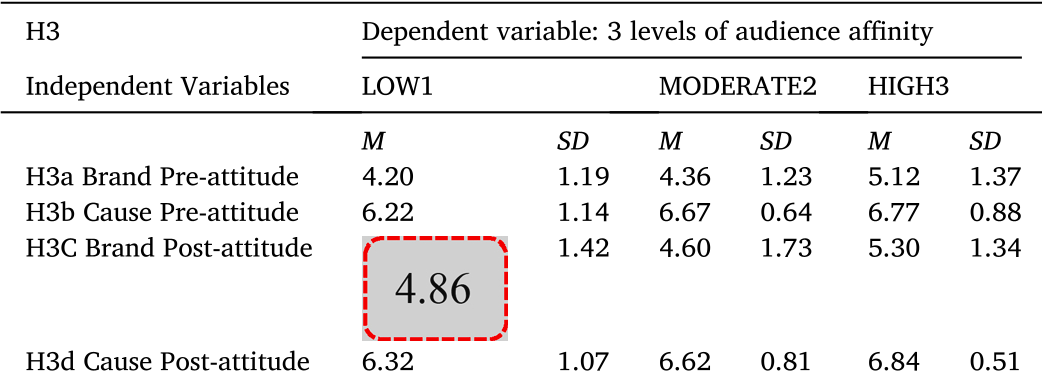
- The High-Affinity Cluster: These "True Believers" already loved the brand and the cause. The viral video acted as a reinforcement, keeping them in a "High Attitude" state.
- The Low-Affinity Cluster: These "Newcomers" showed the largest increase in brand attitude. Because they had no baggage, the fresh information from the video was easily integrated into their minds.
- The Intermediate Cluster: These users remained indifferent. If they knew the cause but not the brand (or vice-versa), the viral message failed to create a strong enough connection to change their minds.
Deep Insight: Limits of Familiarity
Why did the "Low Affinity" group improve more than the "Intermediate" group? The authors point to theories by Campbell and Keller, suggesting that high familiarity can limit advertising effectiveness. When consumers are "half-aware," they may process less information or stay stuck in their current skepticism. Conversely, the "freshness" of the message for low-affinity users makes them more predisposed to the advertisement's charm.
Takeaways for the Industry
- Segment Your Ad Spend: Don't just blast a viral video to everyone. Use social media data to target "High Affinity" consumers for brand reinforcement and "Low Affinity" consumers for brand building.
- Bridge the Asymmetry: If you are a Non-Profit, be wary. Brands often gain more from these alliances than the causes do. Ensure the message balance is carefully calibrated so the cause isn't just a "prop" for the brand.
- Tailor the Argument: The "Intermediate" segment is your hardest target. They require more than just a viral "feel-good" video; they may need deeper rational arguments to bridge their partial familiarity.
Critical Analysis & Future Work
The study is limited by its geographical focus (Spain) and the specific nature of the pet industry, which is highly emotive. Future research should investigate if these "affinity clusters" behave the same way in less emotive sectors, like financial services or B2B tech. Furthermore, how does Cynicism play into the Intermediate segment's indifference?
Conclusion: To truly "go viral" with purpose, you must understand that your audience isn't a single crowd—it's a collection of experiences. If you ignore who they were before they clicked "Play," you risk leaving the most important segments behind.