
Beyond the Alarm: Transforming Medication Adherence through Audio-Based Habit Anchoring
Assisting older adults with medication reminders through an audio-based activity recognition system
This paper introduces ISSA, an audio-based activity recognition system integrated with a conversational agent to improve medication adherence among older adults. By utilizing Hidden Markov Models (HMM) over Mel Frequency Cepstral Coefficients (MFCC), the system recognizes "anchor activities" (e.g., dishwashing, using a blender) to trigger personalized medication reminders and feedback via a smart speaker.
TL;DR
Researchers have developed a smart speaker-based system that uses ambient audio to recognize daily routines—like making a morning smoothie—and triggers conversational medication reminders. By moving away from rigid time-based alarms and toward habit-anchored cues, the system achieved up to 97.6% recognition accuracy and high user satisfaction among older adults.
Background: The Memory Gap in Polypharmacy
For many older adults, "polypharmacy" (taking 5+ medications) is a daunting daily task. Forgetfulness is the primary culprit behind non-adherence, largely because aging affects prospective memory—the ability to remember to perform a planned action in the future.
While modern apps offer alarms, the "gold standard" behavioral strategy recommended by clinicians is cue-based anchoring: linking medication to a stable daily routine. The challenge? Technology has historically been "deaf" to these routines unless the home is littered with expensive motion sensors.
The Method: Making Computers "Listen" to Routines
The researchers proposed ISSA, a system that transforms a simple smart speaker (like a Raspberry Pi with a microphone array) into an elderly-assistance powerhouse.
1. Audio Fingerprinting
The system doesn't just record sound; it extracts Mel Frequency Cepstral Coefficients (MFCC)—essentially the "timbre" or "texture" of sounds. These are fed into Hidden Markov Models (HMM), a statistical tool perfect for modeling the temporal progression of sounds like "washing dishes" or "flushing a toilet."
2. Contextual Reasoning
The architecture is split into two autonomous agents:
- ISSA-Ag: Acts as the "ears," classifying audio and managing uncertainty.
- Medication-Ag: Acts as the "brain," checking if the detected activity matches the user's "implementation plan" (e.g., "Take pill after blender use").
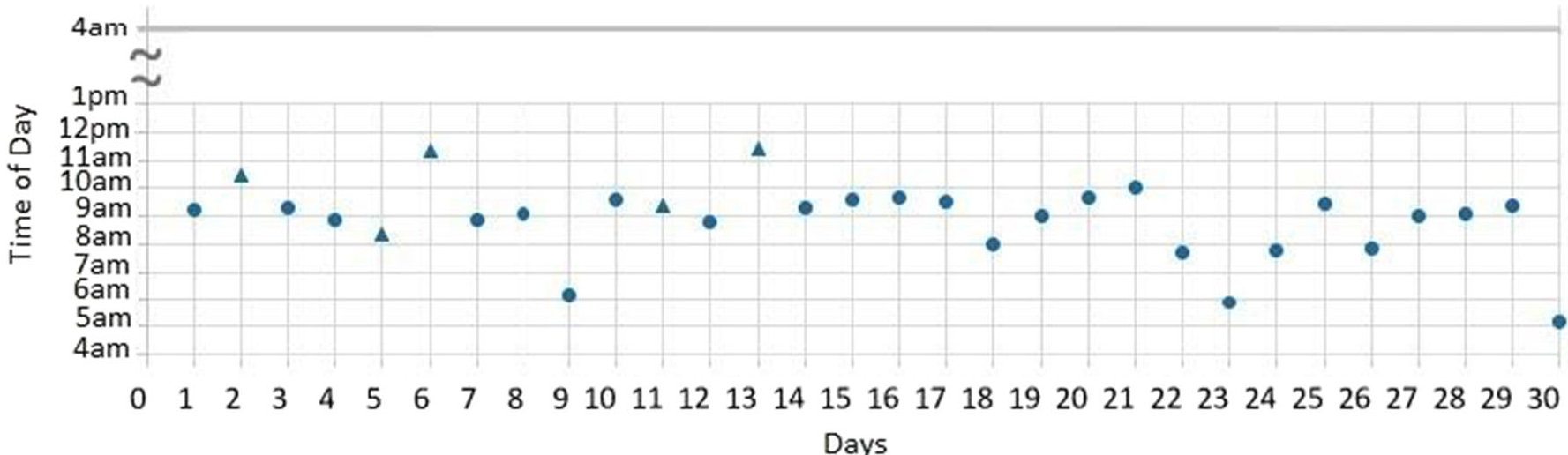 Figure 1: The multi-layered architecture from hardware abstraction to the voice assistant interaction.
Experiments: Real-World Testing
The team conducted an in-situ assessment in the homes of two elderly subjects. They mapped specific sounds to medication cues:
- Subject 1: Focused on bathroom sounds (TOILET, WASH_HANDS) as cues for waking up and taking blood pressure meds.
- Subject 2: Focused on kitchen sounds (BLENDER) for a diabetes smoothie routine.
Performance Metrics
The results were impressive but revealed the nuances of real-world audio:
- Subject 1 achieved 79% accuracy. The lower score was due to the "WASH_HANDS" sound being muffled by a closed bathroom door—a classic example of environmental variance.
- Subject 2 achieved 97.6% accuracy, showing how distinct mechanical sounds (like a blender) provide nearly foolproof triggers.
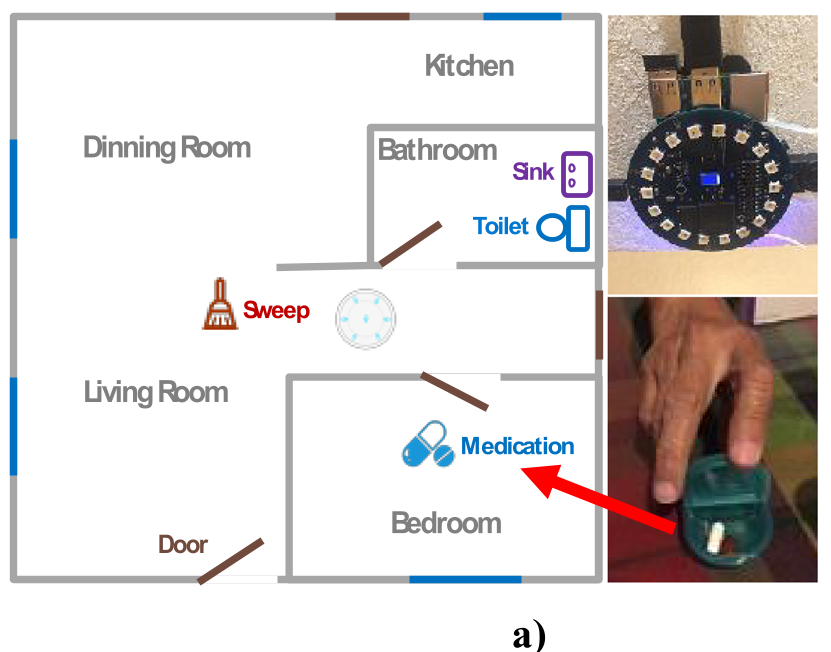 Figure 2: Confusion matrices showing the high precision in identifying anchor activities, with minimal confusion between distinct sounds.
Why It Matters: User Perception
The study’s ultimate success lay in the Wizard of Oz usability evaluation with 9 participants.
- The "Persuasion" Factor: Participants didn't just want a "ping"; they appreciated messages like "Your adherence has indeed improved."
- Usability (SUS Score: 80.1): Anything above 68 is considered "good." At 80.1, the conversational interface proved that voice is the most natural UI for the elderly.
- Privacy: The system processes audio locally on a Raspberry Pi, meaning private conversations aren't sent to the cloud—addressing a major adoption barrier.
Critical Insight & Future Outlook
The brilliance of this work lies in its low-cost, high-context approach. Instead of trying to change elderly behavior to fit the "alarm clock" model, it changes the technology to fit the "habit" model.
Limitations: The system currently struggles with "overlapping audio" (e.g., someone sweeping while the TV is on). Future iterations will likely need advanced "Source Separation" algorithms to isolate target sounds in noisy households.
Conclusion
By "humanizing" the reminder through habit-stacking and conversational feedback, ISSA moves healthcare technology from a nagging tool to a supportive companion. For developing regions like Latin America, where smart speakers are becoming affordable but specialized medical hardware remains out of reach, this software-first approach is a game-changer.