
SocialTFS: Bridging the Distance in Global Software Development via Social Awareness
Augmenting social awareness in a collaborative development environment
This paper introduces SocialTFS, an extension for Microsoft’s Visual Studio and Team Foundation Server (TFS) designed to enhance social awareness in Global Software Development (GSD). By aggregating content from social networks and microblogs (e.g., Twitter, LinkedIn, Facebook) directly into the IDE, it aims to foster affective trust among remote developers.
TL;DR
SocialTFS is an innovative plugin for Visual Studio that injects social media feeds from teammates directly into the development environment. It addresses the "trust deficit" in remote teams by providing a digital surrogate for informal face-to-face chats, using both static follows and dynamic, context-aware activity streams.
Background: The Trust Deficit in Distributed Teams
In the world of Global Software Development (GSD), technical competence is rarely the only hurdle. The "invisible" barrier is often a lack of affective trust—the emotional tie and care between colleagues that facilitates cooperation.
Traditional Collaborative Development Environments (CDEs) like Jira or TFS are excellent at showing what is being done, but they fail to show who is doing it. Research shows that developers often prefer seeking help from socially close colleagues rather than just technical experts. Without the physical "water cooler" to chat about hobbies or life, remote developers remain "strangers," leading to increased deception and decreased persuasion in collaborations.
The SocialTFS Architecture: Aggregating Awareness
To solve this, Calefato and Lanubile developed SocialTFS. The system is composed of three layers designed to bridge the gap between social networks and the IDE:
- Client Component: A Visual Studio plugin that renders social content within the IDE.
- TFS Server Component: Monitors workspace changes and events.
- Social Proxy Server: The "brain" that negotiates OAuth permissions, aggregates feeds from Twitter, LinkedIn, and Facebook, and suggests who to follow.
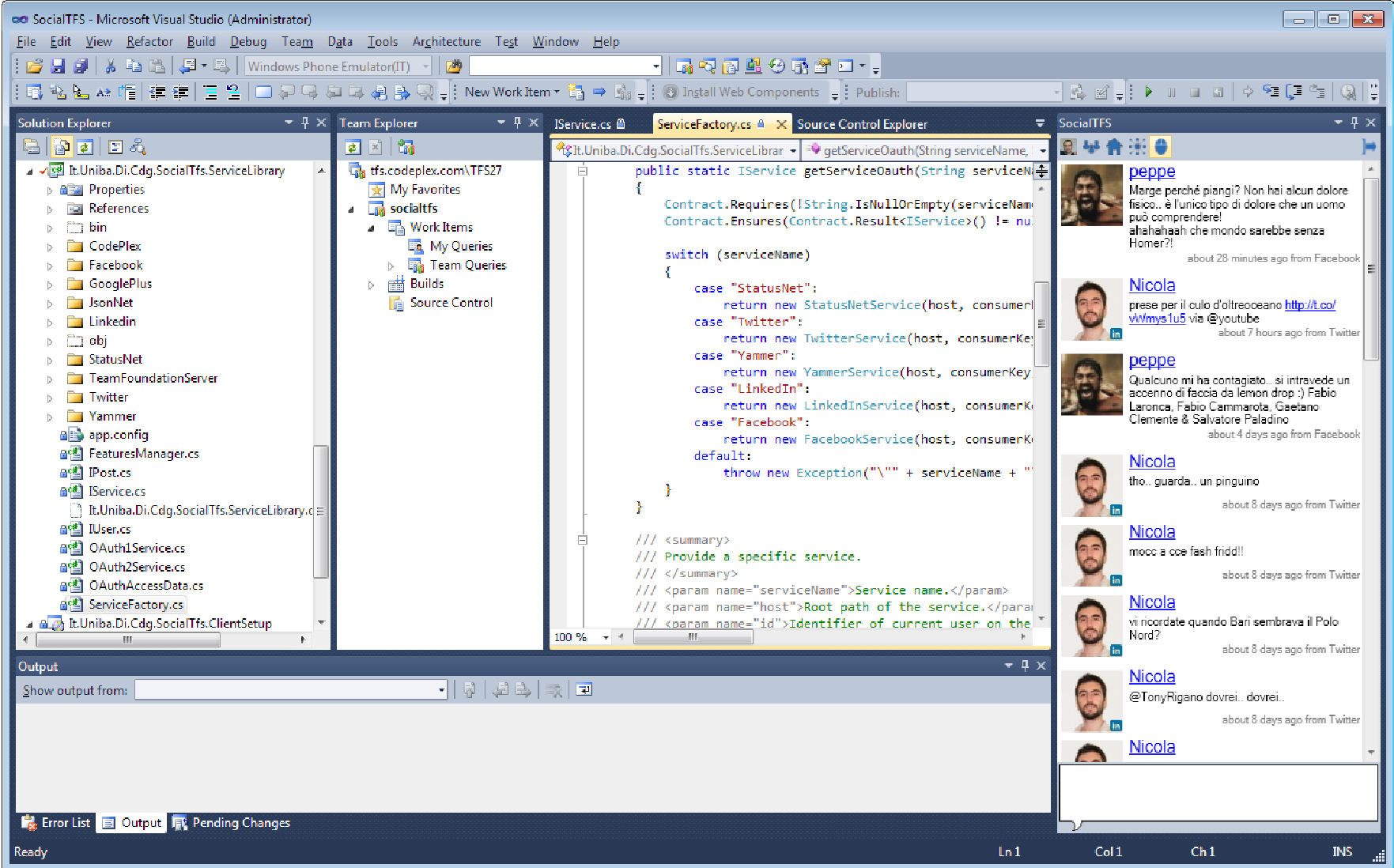 Figure 1: The SocialTFS interface integrated into Visual Studio.
Beyond Static Follows: The Power of Dynamic Streams
The most striking feature of SocialTFS is its departure from the traditional "Follow" model used by Twitter or GitHub. Recognizing that developer networks are fluid, the authors introduced Dynamic Followings:
- Iteration Timeline: Automatically shows posts from teammates working on the same active work items.
- Interactive Timeline: Inferred from the IDE's focus. If you are editing a file previously committed by "Filippo," SocialTFS will surfaces Filippo’s latest social updates, providing instant context about the person whose code you are touching.
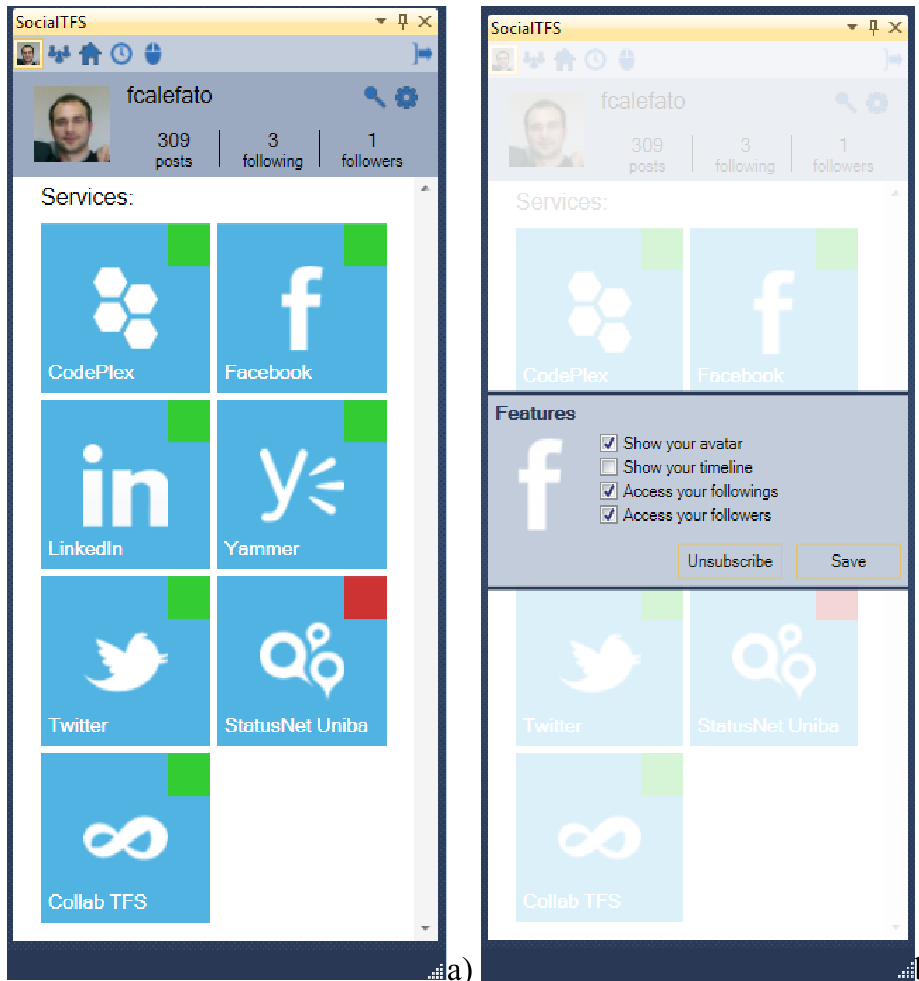 Figure 2: Developers can fine-tune access rights (e.g., profile pics but no posts) to balance awareness with privacy.
Critical Insight & SOTA Position
While platforms like GitHub allow "following" users, SocialTFS is unique in its deep IDE-level integration. It recognizes that social awareness shouldn't be a separate tab in a browser; it should be part of the developer’s flow.
By transforming social media into a surrogate for "informal chats," the authors argue that "feeling close" is more important than "being close" for trust building. This work received the 2011 SEIF Award from Microsoft Research, highlighting its importance in the evolution of Application Lifecycle Management (ALM).
Limitations & Future Outlook
The primary limitation is the lack of longitudinal quantitative data in this preliminary report. While the tool is technically sound, the actual impact on code quality or project velocity remains a hypothesis until the proposed industrial case studies are completed.
As remote work becomes the standard, SocialTFS serves as a precursor to modern "Social Coding" movements, reminding us that even in a world of code and commits, the human element remains the strongest link in the chain.