
From Modeling to Deduction: Automating Collaborative Business Processes with ACO and Ontologies
10026_Towards Automated Business Process Deduction through a Social and Collaborative Platform.
This paper introduces a framework within the French project OpenPaaS for automated inter-organizational business process deduction. It utilizes a semantic-based approach—anchored by Collaborative (CO) and Business Field (BFO) ontologies—to simultaneously identify partners and build collective business processes based on organizational capabilities.
TL;DR
The OpenPaaS project shifts the paradigm of inter-organizational collaboration from manual process modeling back to automated deduction. By leveraging semantic ontologies and Ant Colony Optimization (ACO), the system doesn't just manage a process—it discovers the partners and assembles the optimal workflow dynamically based on both business goals and technical feasibility.
The "Design-Time" Bottleneck
In the modern economy, Virtual Organizations (VOs) must form rapidly to seize market opportunities. However, the IT systems supporting them face a massive hurdle: The Design-Time Bottleneck.
Current Business Process Management (BPM) tools require humans to define the workflow, select partners, and map technical services manually. This is too slow for "Everything-as-a-Service" (XaaS) contexts. The fundamental problem is that we are missing a bridge between Business Intent (what we want to achieve) and Technical Execution (what services can actually run), especially when multiple competitive partners offer similar capabilities.
Methodology: The Semantic Bridge
The paper proposes a deduction engine built on two semantic pillars:
- Collaborative Ontology (CO): Defines generic goals and the capabilities required to reach them.
- Business Field Ontology (BFO): Provides the domain-specific vocabulary (e.g., "Logistics," "Manufacturing") to ensure context-aware matching.
The Two-Filter Process
To transform a "Request for Proposal" into a process, the system applies two filters:
- Filter I (Functional): Matches the objective to a set of required capabilities in the CO.
- Filter II (Contextual): Refines these capabilities based on the specific business domain via the BFO.
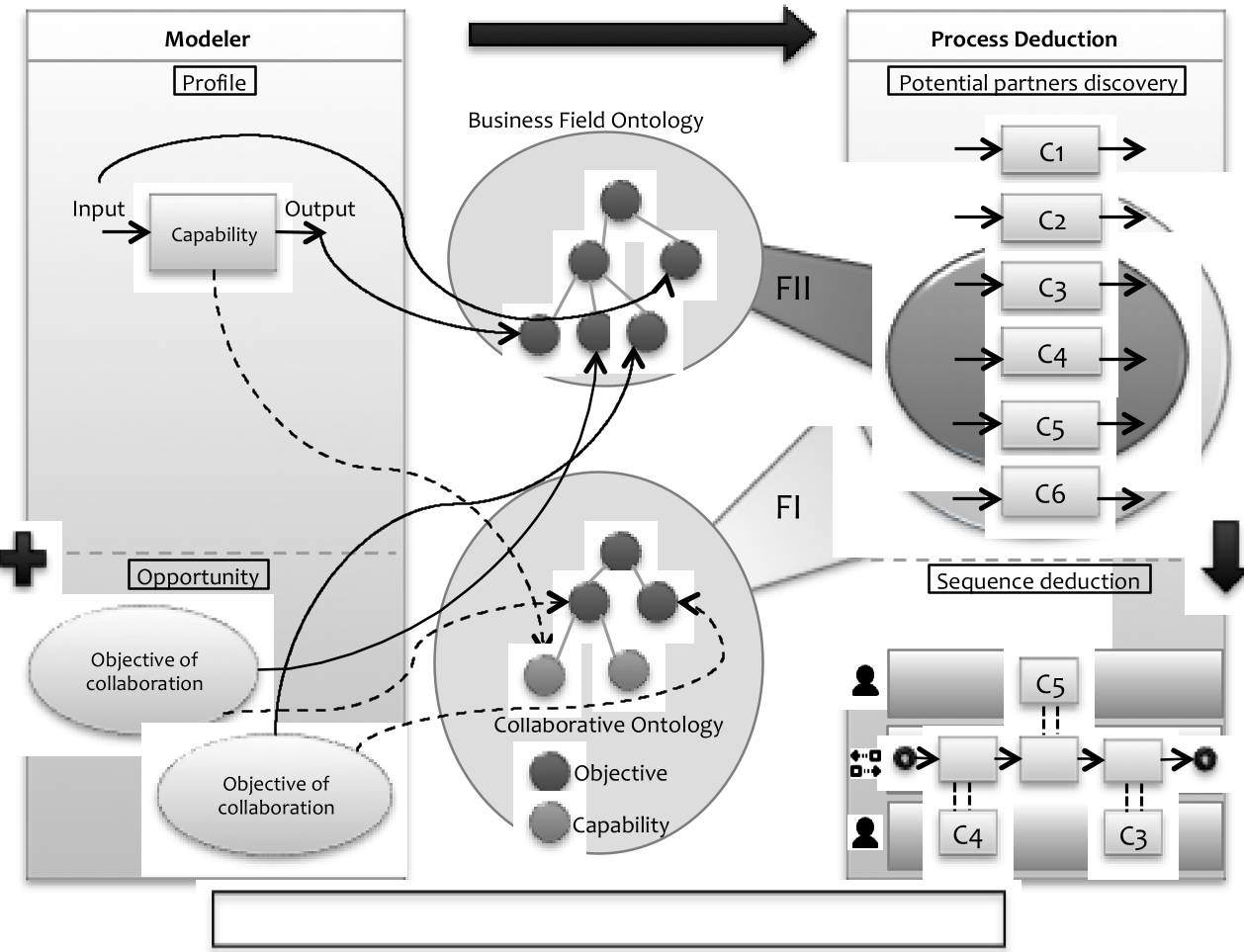 Figure 1: The deduction levels between the Modeler and the automated Process system.
The Core Insight: Why ACO?
The most innovative part of the paper is the proposal of an Ant Colony Optimization (ACO) algorithm to handle the "search space explosion." When multiple organizations provide the same capability (e.g., "Shipping"), and each has different non-functional attributes (price, speed, carbon footprint), finding the "best" process becomes an NP-hard problem.
The ACO Logic:
- Ants as Explorers: Virtual "ants" traverse the ontology paths.
- Pheromone Trails: Ants deposit pheromones on paths that represent high-quality non-functional results.
- Convergence: Over multiple cycles, the strongest pheromone trail emerges, representing the optimal sequence of technical services that fulfill the business objective.
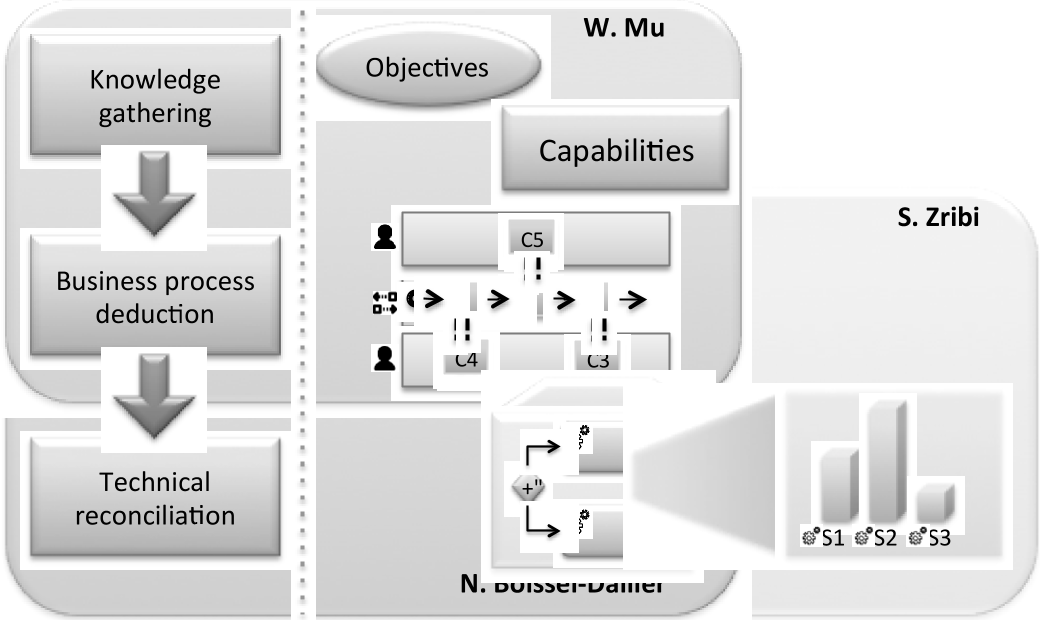 Figure 2: The multi-axis reconciliation: Functional vs. Non-functional and Business vs. Technical.
Reconciliation of Two Worlds
The paper emphasizes a dual reconciliation:
- Business vs. Technical: Managerial users talk about "Capabilities," while IT provides "Technical Services." The system must map a 1:N relationship here, potentially creating "hybrid" processes where some parts are manual business steps and others are automated API calls.
- Functional vs. Non-functional: It's not enough to find a partner who can do the job; we must find the one who does it best according to 33 identified criteria.
Critical Analysis & Conclusion
Takeaway
The shift from static BPM to dynamic Process Deduction is vital for the survival of agile collaborative networks. This paper provides a robust theoretical framework for making "Zero-shot" inter-organizational collaboration a reality.
Limitations
- The "Cold Start" Ontology Problem: The system is only as good as the CO and BFO. Manually maintaining these ontologies as industries evolve is a significant overhead.
- Security & Privacy: Organizations may be hesitant to expose their internal "Capabilities" and "Technical Services" to a platform without strict data sovereignty guarantees.
Future Outlook
The authors suggest that future work must focus on the robustness of these cloud platforms. Integrating Large Language Models (LLMs) today could potentially replace the rigid semantic links with more flexible natural language understanding, further enhancing the "deduction" capabilities described in this visionary work.
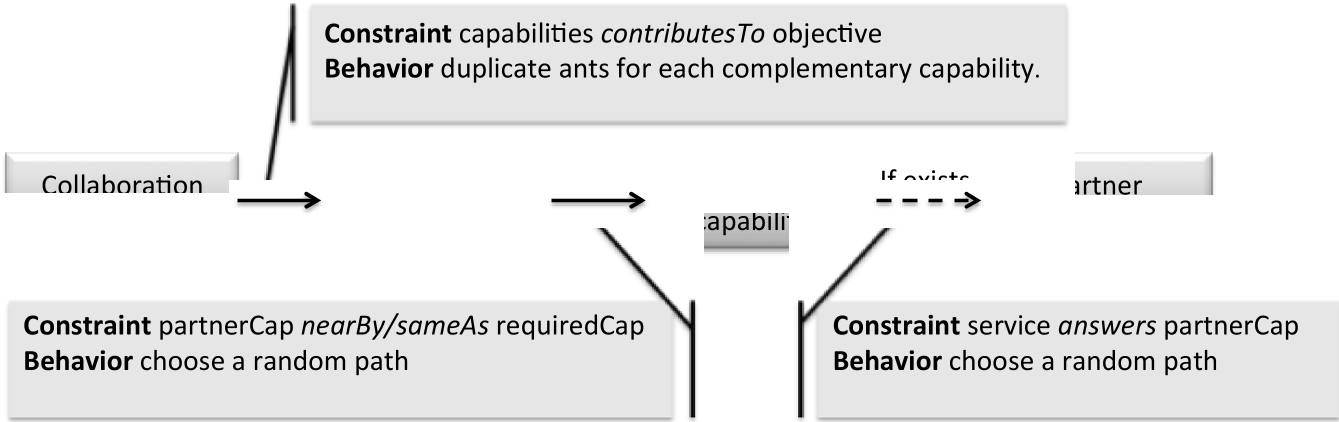 Figure 3: Summary of the research investigations towards automated collaborative design.