
Automated Technological Surveillance: Scaling Competitive Intelligence for the Big Data Era
A model for automated technological surveillance of web portals and social networks
This paper presents a conceptual model and automated architecture for Technology Surveillance (TS) that integrates web portals and social networks. The authors developed a six-module framework (Collection, Preparation, Analysis, Diffusion, Parameterization, and Persistence) specifically designed to handle Big Data scenarios in industrial technological monitoring, validated through a real-world case study at the FIESC Observatory.
TL;DR
In an era of rapid innovation, organizations can no longer afford to manually monitor the technological landscape. This paper proposes a fully automated architecture for Technology Surveillance (TS) that moves beyond patents and articles to ingest massive streams of data from web portals and social networks. By leveraging NoSQL databases, text mining, and domain ontologies, the proposed system reduces expert manual labor while providing real-time, dashboard-driven insights.
The "Expert Bottleneck" in Competitive Intelligence
The traditional approach to Technology Surveillance is broken. Current studies show that experts spend 65% of their time simply reading and categorizing documents rather than performing high-value analysis. As we enter the Zettabyte era, the manual processing of technological trends is not just inefficient—it is impossible.
The authors identify a critical gap: existing TS platforms lack the automation required for Big Data scenarios (the 5 Vs: Volume, Velocity, Variety, Veracity, and Value). Most current systems still require human intervention at the collection or initial filtering stages, creating a latency that can result in missed competitive threats.
Methodology: A Six-Module Blueprint for Automation
The researchers proposed a modular architecture designed for horizontal scalability and parallel processing. The heart of the system lies in how it transforms unstructured web text into structured strategic knowledge.
1. The Core Architecture
The model is divided into functional layers to ensure modularity:
- Collection: Automated web crawlers (e.g., Intellitotum) periodically ingest data from portals and social media (Twitter, FB, YouTube).
- Preparation: This is the "optimization" engine. Using the FlashText algorithm (which is up to 82x faster than Regex), the system identifies technologies defined in domain ontologies.
- Analysis: Calculating mentions, identifying geographic correlations, and performing sentiment analysis via NLP libraries like TextBlob.
- Diffusion: Pushing insights to interactive PowerBI dashboards for decision-makers.
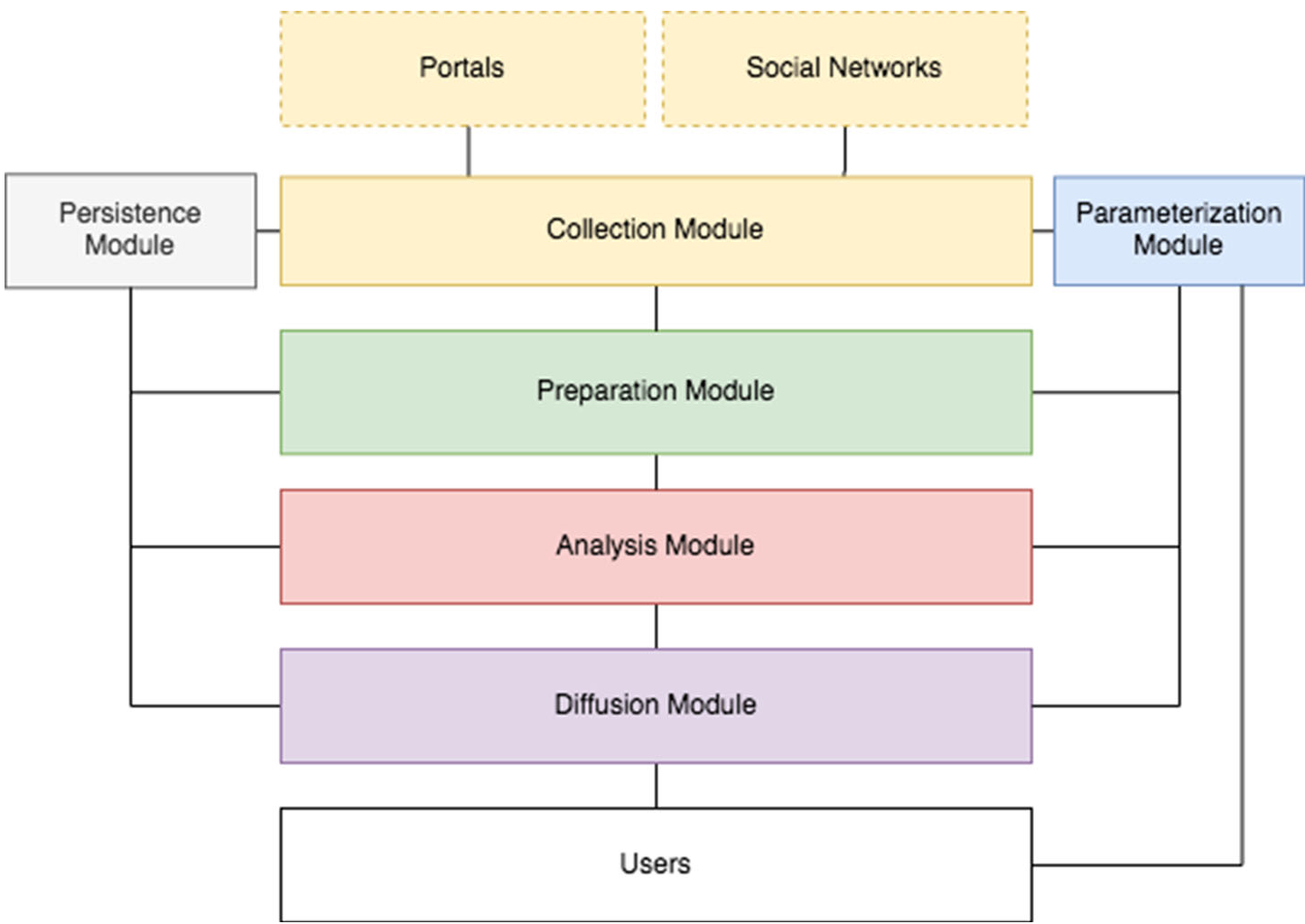 Figure 1: The conceptual model highlighting the interaction between automated modules and the persistence layer.
2. Mathematics of Speed: Why FlashText?
A key technical contribution is the use of Trie-based string search (FlashText) over traditional Regular Expressions. In a Big Data environment with 800k+ documents, Regex becomes a computational bottleneck. By pre-building a dictionary of technological terms (from OWL ontologies), the system achieves near-instantaneous metadata extraction.
Experimental Validation: The FIESC Case Study
The model was validated using 15 strategic industrial sectors in Santa Catarina, Brazil. The prototype was hosted on a cloud environment using a hybrid database strategy: MongoDB for flexible document storage and PostgreSQL for relational metadata analysis.
Key Findings:
- Data Volume: The system handled nearly 900,000 publications effortlessly.
- Efficiency: The "Metadata Extractor" successfully converted unstructured news into a structured time-series of technological mentions without human oversight.
- Expert Sentiment: Over 70% of industry experts agreed that the system simplified their search processes and enhanced their ability to track "S-Curve" technological developments.
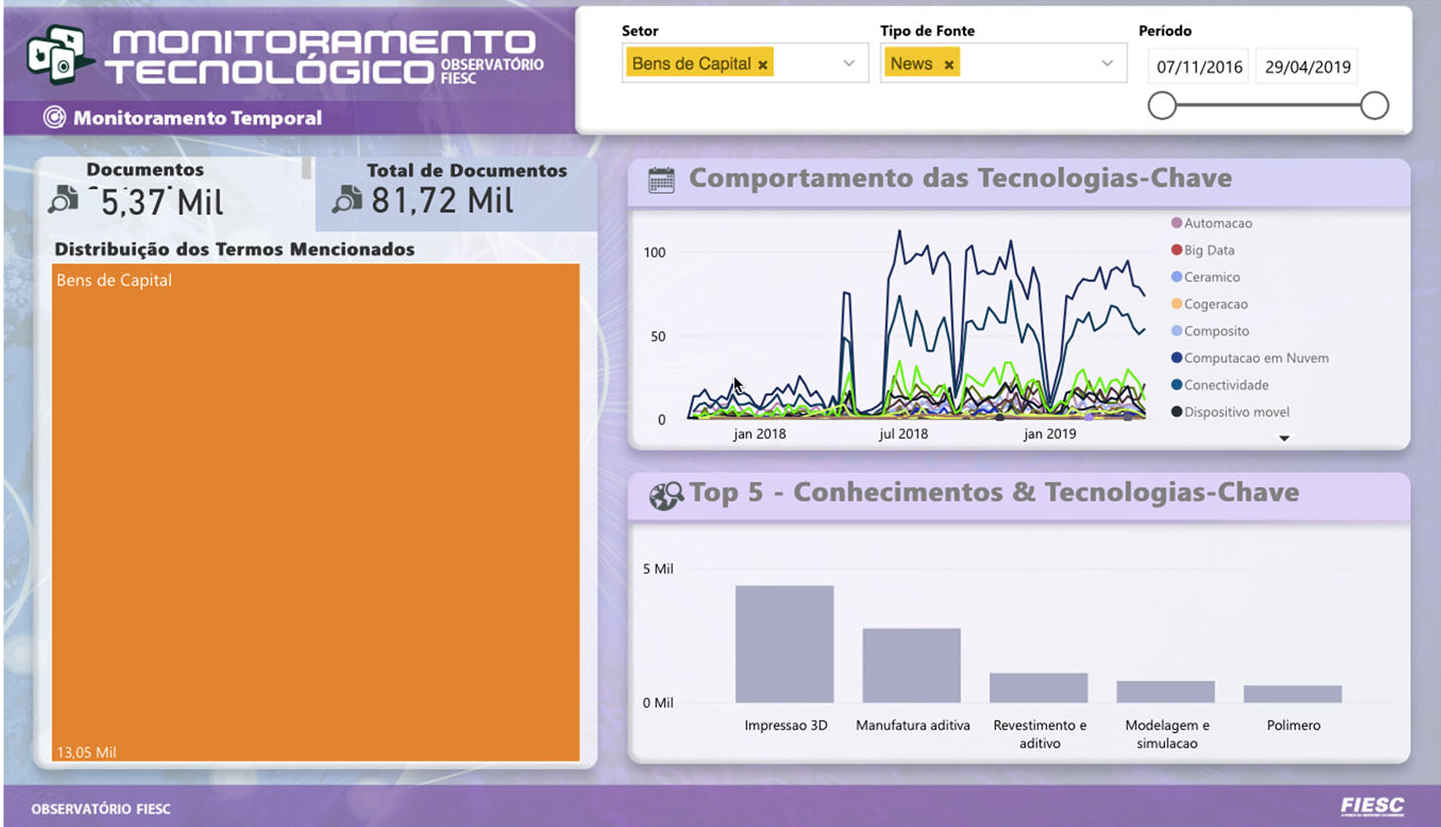 Figure 2: The Diffusion module in action - transforming raw counts into geographic and sentiment-based strategic dashboards.
Critical Insights & Future Outlook
While the system is robust, the authors acknowledge a significant Initital Cost: setting up the "Parameterization" module requires deep domain expertise to build the initial ontologies.
The Future of TS lies in "Autonomous Discovery": The next step for this research is to move away from pre-defined ontologies and toward Dynamic Learning Modules. By integrating unsupervised topic modeling (like LDA or BERT-based clustering), future systems could identify new emerging technologies that experts haven't even named yet.
In conclusion, this paper provides a much-needed industrial roadmap for moving Technology Surveillance out of the library and into the automated data center.