
Empowering Parkinson’s Care: A Sentiment-Aware Voice Interaction Serious Game
A Proposed Automatic Speech and Sentiment Recognition Serious Game for Older Adults with Parkinson’s Disease
This paper proposes a serious game architecture designed for older adults with Parkinson's Disease (PD), integrating Romanian automatic speech recognition (ASR) and sentiment analysis. The system features a "Virtual Coach" that utilizes voice-driven interaction and emotional feedback to enhance therapeutic engagement and support autonomous rehabilitation.
TL;DR
Parkinson’s Disease (PD) often leads to a loss of independence and communicative ability. This research introduces a Serious Game architecture that leverages Speech Recognition for distorted voices and Sentiment Analysis to create a responsive "Virtual Coach." By adapting its tone and difficulty in real-time based on the user's emotional state, the system aims to make home-based rehabilitation both effective and emotionally supportive.
Problem & Motivation: The Barrier of Distorted Speech
Rehabilitation for Parkinson’s is a marathon, not a sprint. Patients suffer from physical rigidity and "shaky" speech, which makes typical voice-controlled devices frustrating to use.
Traditional therapies often fail because:
- Low Engagement: Repetitive exercises become tedious without feedback.
- Recognition Failures: Standard ASR (Automatic Speech Recognition) is not trained on the slurred or quiet speech patterns common in PD.
- Emotional Isolation: These patients often lack the social interaction necessary to maintain the motivation required for daily training.
The author's insight is to combine Physical Training with Cognitive Voice Exercises in a game environment that "understands" how a user feels.
Methodology: A Multi-Layered Conversational Architecture
The proposed system is divided into several intelligent modules designed to work in tandem via a network environment:
1. The Virtual Coach & Audio Capture
The user interacts primarily with a Virtual Coach. Beyond just a graphical avatar, this coach acts as the front-end for an audio capture system sensitive enough for the Romanian language and the phonetic nuances of PD-affected speech.
2. The Dispatch & Command System
Unlike simple command-and-control interfaces, this system uses an Utterance Classifier:
- Commands: Actively change the game state (e.g., "Move character").
- Queries/Statements: Handled by a Conversation Manager that retrieves information from things like news services or game data repositories.
3. Sentiment-Driven Interaction
This is the "soul" of the system. The Sentiment Recognition Engine assesses the user’s mind state. If the user sounds sad or frustrated, the Response Generator adapts.
Example: If the system detects a decline in sentiment compared to the previous day, the Virtual Coach might insert a joke or a lighthearted encouragement instead of a clinical instruction.
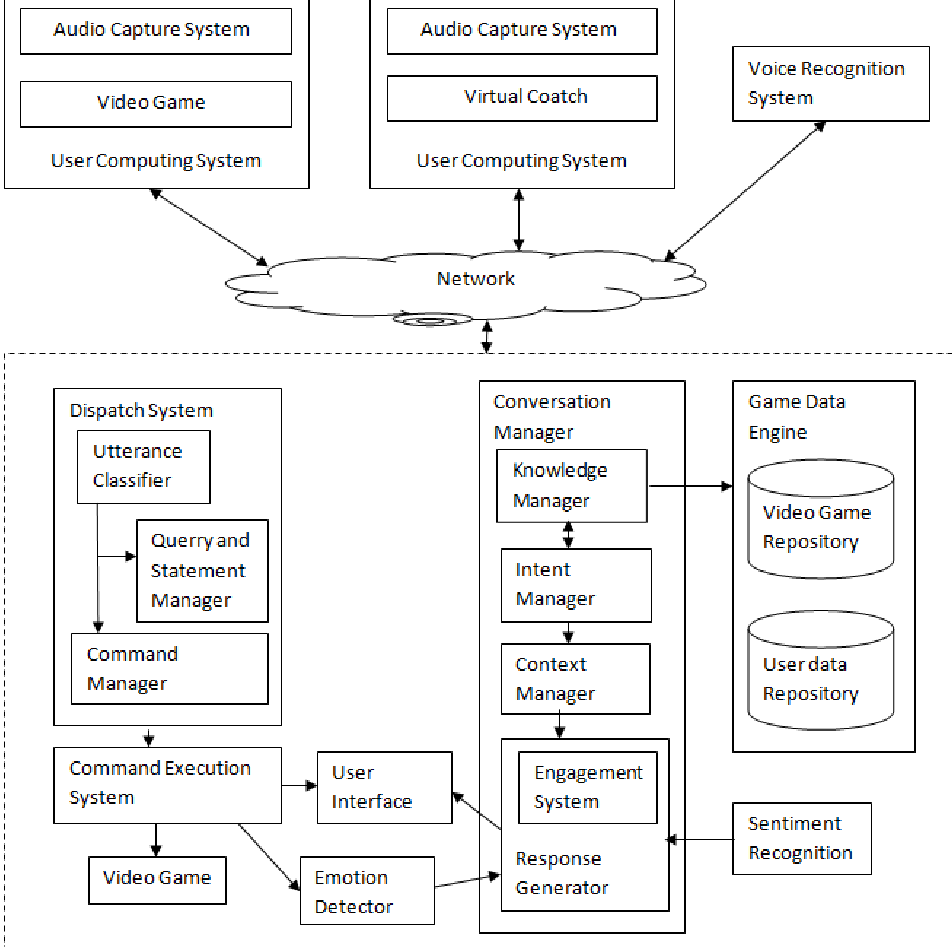 Figure 1: The modular architecture showing the flow from Audio Capture to Sentiment-based Command Execution.
Experiments & Future Performance
The paper focuses on the architectural blueprint for Ambient Assisted Living (AAL). By utilizing a "headless client," the system can execute game logic on an application host, reducing the computational burden on the user's local hardware—a critical factor for affordable home-care solutions.
Key Functional Advantages:
- Context Awareness: The Context Manager tracks unrecognized commands to learn user habits over time.
- Engagement Loops: Machine learning is employed to predict which response types (lighthearted vs. serious) keep a specific user playing longer.
- Rehabilitation Synergy: Combines the clinic triad (bradykinesia, rigidity, tremor) management with vocal therapy.
Critical Analysis & Conclusion
Takeaway
This work bridges the gap between clinical therapy and affective computing. By making a system that responds not just to what is said, but how it is said, it addresses the psychological barriers of Parkinson's rehabilitation.
Limitations
- Static Environments: As noted by the author, the system is currently not optimized for dynamic or noisy environments which might interfere with distorted speech capture.
- Romanian Language Focus: While specific to Romanian ASR, the logic is applicable globally, though it requires localized acoustic models.
Future Outlook
The next step for this research involves large-scale user testing to quantify the Sense of Self-Worth and Functional Mobility improvements. As we move toward 2030, where Europe expects nearly 9 million PD patients, such automated, sentiment-aware home systems will be vital components of the healthcare infrastructure.