
From Components to Competences: The Intelligence Architecture of Future Mobility
Automotive Engineering Skills and Job Roles of the Future?
This paper introduces a comprehensive "Intelligence Architecture" for future automotive engineering, developed under the EU's DRIVES project. It maps out a strategic framework of new job roles and skill sets—ranging from AI experts to cybersecurity engineers—necessary to support the transition toward smart, clean, and autonomous vehicles.
TL;DR
The automotive industry is undergoing a paradigm shift where the "soul" of the car is moving from the engine to the algorithms. This paper outlines the DRIVES Framework, a strategic blueprint that redefines the vehicle not as a collection of parts, but as a product of specialized human intelligence. It introduces over 30 new job roles—from AI Ethics to Sensor Fusion—essential for the 2030 autonomous era.
Background: The End of the Traditional Supply Chain
In the classic automotive model, OEMs (Original Equipment Manufacturers) dictated specifications to a tiered supply chain. However, the rise of "Smart, Clean, and Autonomous" demand has rendered this hierarchy obsolete. As seen with partnerships like Google and Renault or Sony’s Vision-S concept, the future car is a Competence-Based Architecture. The bottleneck is no longer factory capacity, but the availability of a workforce skilled in cross-domain mechatronics and digital twins.
Methodology: The Intelligence Architecture
The authors propose a multi-view architecture that integrates human skills directly into the product lifecycle.
1. Engineering and R&D (The Brain)
This layer moves beyond mechanical design into specialized digital domains:
- E2 & E4: AI and Machine Learning Experts: Transitioning "Black Box" models into trustworthy, explainable systems for autonomous driving.
- E5: Sensor Fusion: The critical ability to merge Lidar, Radar, and Camera data into a single environmental reality.
- E9-E11: The Cybersecurity Trinity: Moving security from an "afterthought" to a core design requirement involving managers, engineers, and testers.
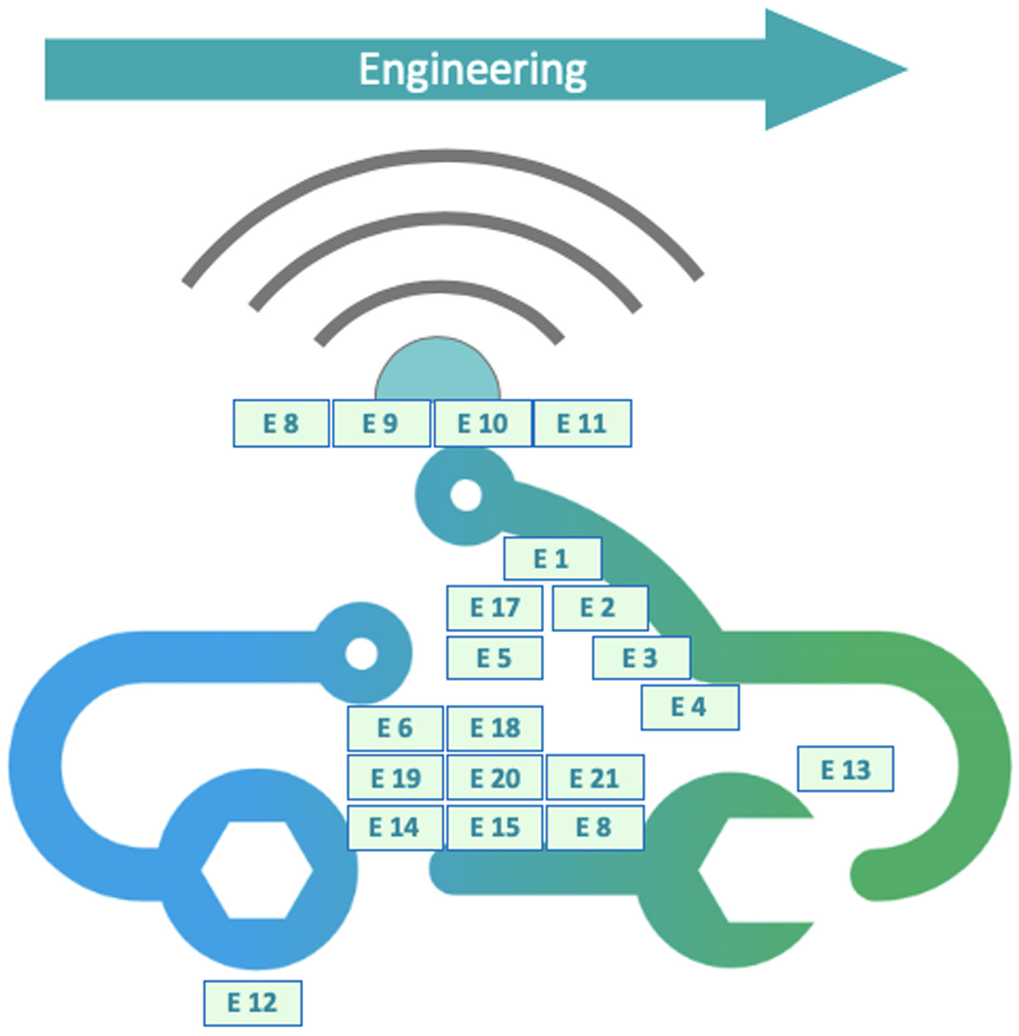 Figure 1: The proposed Intelligence Architecture, showing the integration of cross-functional skill pools into the engineering phase.
2. Digital Production and Maintenance
The factory of the future requires Robotics Engineers (P6) who understand software simulation and Predictive Maintenance Experts (M3) who use run-time data streams and similarity queries to detect faults before they occur.
Critical Insight: Why This Matters
The most striking takeaway is the "Knowledge-Based Strategy." The paper argues that to stay competitive, European carmakers must transform their development strategy into a Knowledge Intelligence Architecture.
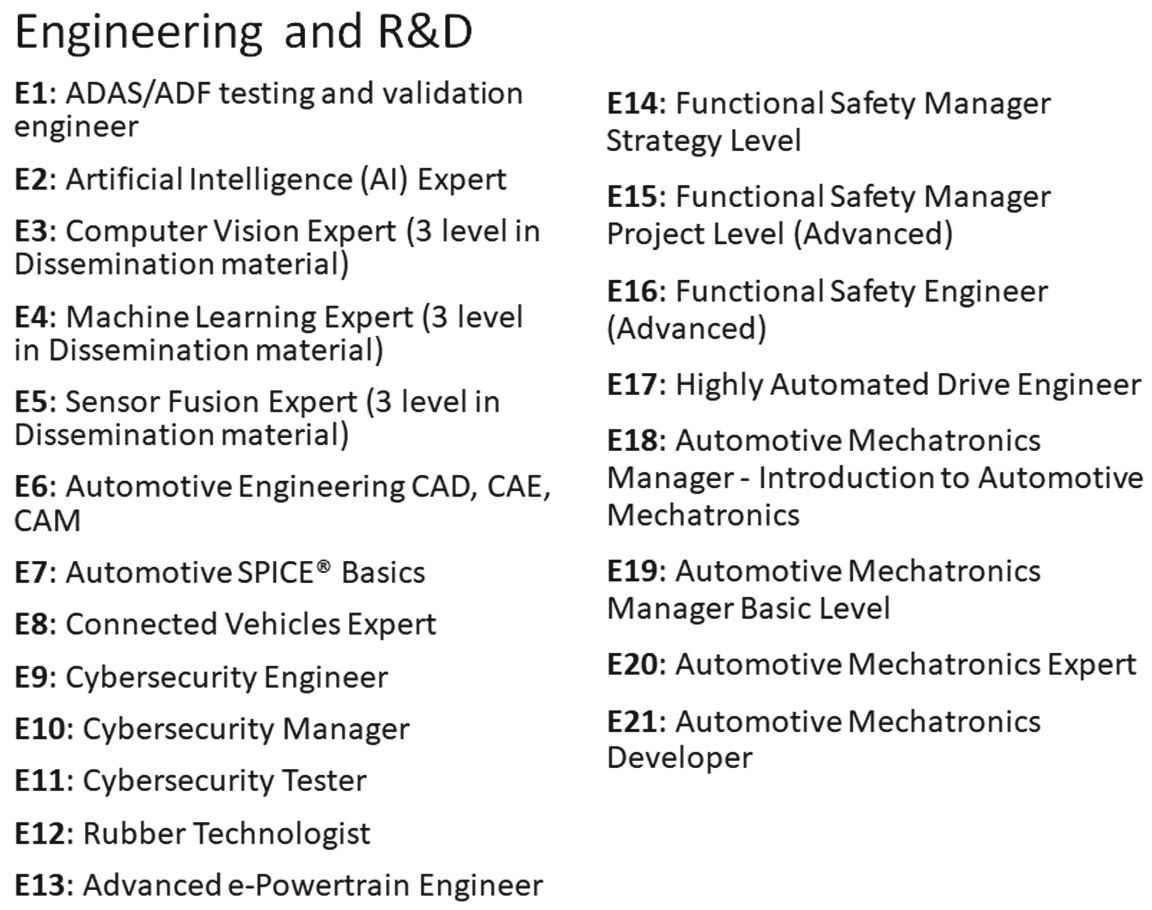 Figure 2: Specific job roles mapped to intelligence areas, highlighting the heavy emphasis on ADAS, AI, and Connectivity.
Conclusion and Future Outlook
The DRIVES project isn't just an academic exercise; it's a survival guide for an industry facing a "skills gap" crisis. By standardizing these roles across Europe via digital badges, the framework enables a fluid, highly-specialized labor market.
Limitations: While the framework is robust, its success depends on the speed of Academic and VET (Vocational Education and Training) providers to update their curricula—a process that historically lags behind the pace of Silicon Valley innovation.
The Takeaway for Engineers: If you are in the automotive sector, your value is shifting from "knowing the part" to "managing the data and cross-domain implications." Skills in Automotive SPICE, Functional Safety (ISO 26262), and Cybersecurity are no longer optional—they are the new fundamentals.