
Animation Crowdsourcing: Solving the Cultural "Black Hole" in Silk Road Projects
Exploring the Production of “The Belt and Road”-Driven Animations with Crowdsourcing Model
This paper proposes a crowdsourcing production model to enhance the quality and international appeal of "The Belt and Road" drive animation projects. Using the Delphi method with 22 experts, the study validates that crowdsourcing can overcome cultural barriers and resource limitations in the Chinese animation industry.
TL;DR
To solve the persistent issues of low quality and cultural misalignment in Chinese animation, this research explores the Crowdsourcing Model for "The Belt and Road" projects. By leveraging the Delphi method with industry experts, the study proves that shifting from centralized production to a global, open-solicitation model can effectively bypass cultural barriers and optimize resource allocation for high-quality, "all-age" content.
The "Black Hole" of Traditional Production
Despite state-level strategic support, the Chinese animation industry faces a paradox: massive capital investment but uneven quality. The paper identifies a "black hole" effect where:
- Positioning Errors: Most creators target only "low-age" children, ignoring the broader international market.
- Information Asymmetry: Domestic companies often fail to understand the cultural essence and narrative preferences of the countries along "The Belt and Road."
- Resource Monopoly: Large-scale projects are often dominated by few players who may focus on subsidies rather than artistic quality, while small, creative teams are excluded.
Methodology: The Delphi Evaluation
The authors employed the Delphi method, involving 22 experts (7 Ph.D. holders, 15 industry professionals) across two rounds of surveys. This method was chosen to distill a consensus on whether crowdsourcing—outsourcing tasks to an unidentified public via an open solicitation—could fix these systemic flaws.
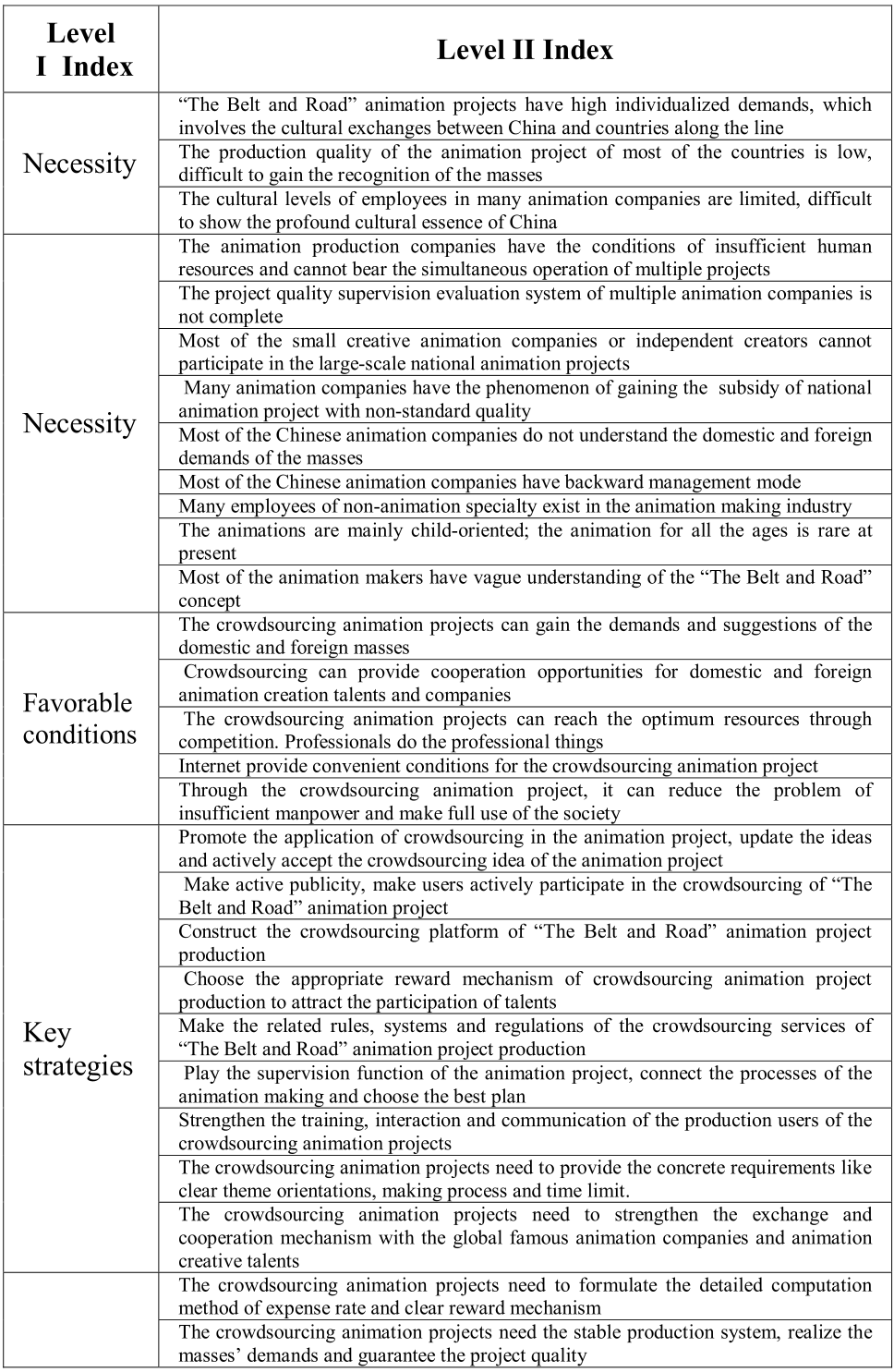 Figure 1: Comparison of Necessity, Favorable Conditions, and Key Strategic Indicators for the Crowdsourcing Model.
Why Crowdsourcing Works for Animation
The study’s findings suggest that the crowdsourcing model acts as a catalyst for three major improvements:
1. Breaking Cultural Barriers
"The Belt and Road" involves diverse cultures. Crowdsourcing platforms (like eYeka) allow creators from those specific regions to provide input on role settings and storylines, ensuring the final product resonates with the local audience’s "popular feelings."
2. Fair Competition for SMEs
By moving production to an open platform, small and medium enterprises (SMEs) with high original strength but low capital can compete for national projects. This decentralization prevents the "subsidy-seeking" behavior of larger, less efficient firms.
3. Resource Optimization via Web 2.0
Internet infrastructure allows "professionals to do professional things." A single project can be broken down into specialized tasks—character design, background painting, and scriptwriting—each handled by the best-fit global talent.
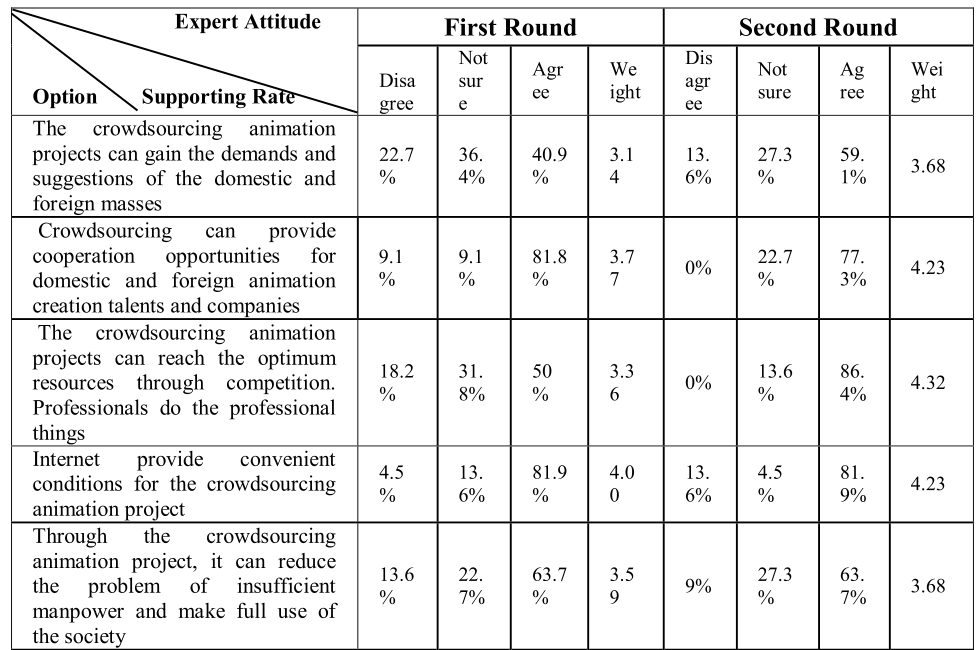 Figure 2: Expert opinions showing high support (80%+) for crowdsourcing’s ability to provide international cooperation and resource optimization.
Strategies for Implementation
The paper outlines a roadmap for a successful animation crowdsourcing ecosystem:
- Incentive Mechanisms: Utilizing Maslow’s hierarchy of needs to design rewards that provide not just monetary gain, but also "immersion" and "self-affirmation" for creators.
- Platform Governance: Establishing strict operational rules (screening, performance appraisal, and copyright protection) to prevent low-efficiency "subcontracting" loops.
- Dynamic Interaction: Using Web 2.0 tools (forums, voting, competitions) to keep the global community engaged throughout the production lifecycle.
Critical Insight: Beyond Content to Ecosystem
The core value of this research isn't just about making better cartoons; it’s about constructing an ecological system. The "Super Wings" case study mentioned in the text proves that when Chinese animation adopts a global language, it wins. Crowdsourcing is the technical and organizational bridge that allows domestic strategy to meet international demand without the friction of cultural "vague understanding."
Conclusion & Future Outlook
While the study provides a strong theoretical framework, the authors acknowledge that crowdsourcing is not a "magic bullet" for every project. The management overhead for global supervision can be high. However, as digital technology and Internet penetration continue to rise, the transition from "Made in China" to "Co-created with the World" seems inevitable for the next generation of global animation projects.