
Enterprise Social Networks: Beyond the Privacy Barrier to Organizational Agility
The Benefits and Risks of Enterprise Social Networks
This paper explores the conceptual framework and practical implications of Enterprise Social Networks (ESNs) such as Yammer and Tibbr. It defines ESNs as internal digital platforms that leverage Web 2.0 capabilities to enhance employee collaboration, knowledge sharing, and organizational innovation while distinguishing them from traditional public social media.
TL;DR
While public social media like Facebook and Twitter are ubiquitous for personal use, their corporate counterparts—Enterprise Social Networks (ESNs)—are revolutionizing the internal mechanics of modern business. By adopting Web 2.0 principles, ESNs like Yammer and Tibbr transform organizations into agile, knowledge-sharing hubs. However, this transition is not without friction, requiring a delicate balance between collaborative benefits and multifaceted security risks.
The "Email Silo" Problem and the Web 2.0 Motivation
In 2015, over 205 billion emails were sent daily, yet finding a specific expert within a global firm remained like "looking for a needle in a haystack." The authors argue that traditional communication (email) is a channel, whereas ESNs are platforms.
The motivation behind Enterprise 2.0 is to leverage the "Social" aspect of Web 2.0 to solve operational inefficiencies. Unlike external networks, ESNs allow for "ambient awareness"—where employees can view ongoing conversations across the organization, distinguishing between social and work relationships to foster a more cohesive corporate culture.
Methodology: The Architecture of Internal Collaboration
The paper breaks down ESNs into several core functional modules that distinguish them from legacy intranets:
- Semantic Profiling: Users tag their profiles with specific skills and languages (e.g., "Arabic-speaking database expert"), making expertise discoverable beyond local networks.
- Cloud-to-Social Integration: By moving document creation to the cloud, ESNs eliminate "Version Hell" (the confusion of multiple email attachments) and provide a single source of truth.
- Knowledge Base Generation: Every Q&A and group discussion is archived, creating an organic, searchable knowledge base that improves decision-making.
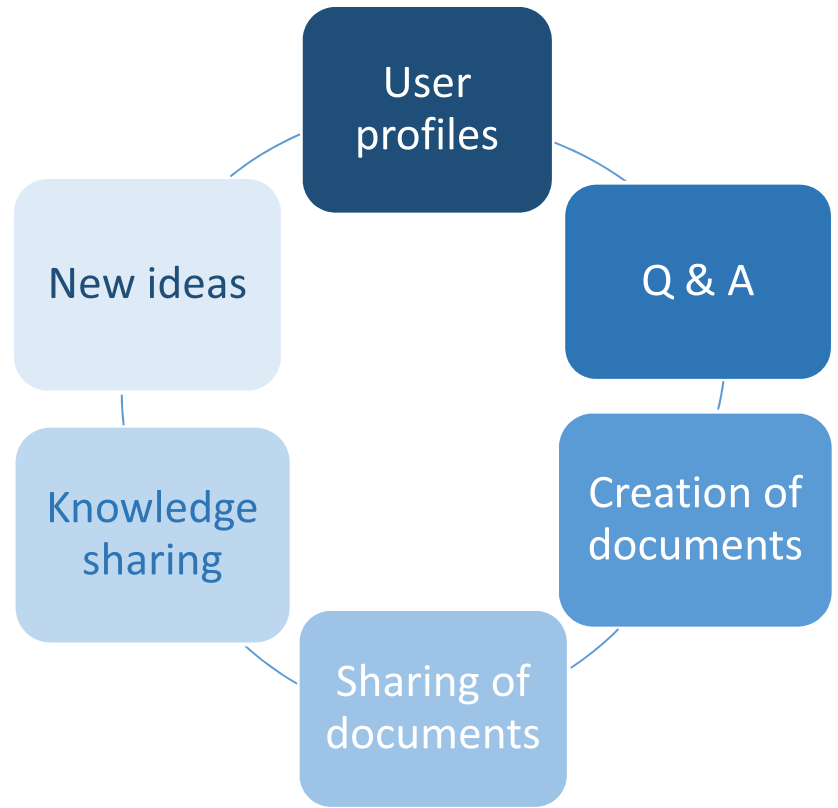 Fig 1. Core benefits: Knowledge sharing, Innovation, and Improved Decision Making.
Quantitative Impact and Strategic Benefits
The research highlights three primary value drivers:
- Innovation via Cross-Pollination: By connecting disparate divisions (e.g., Marketing in Slovakia with Technical Ops in Qatar), organizations generate "new ideas" that would otherwise remain localized.
- Involved Stakeholders: ESNs bridge the gap between employee needs and customer feedback by setting a transparent culture of use.
- Efficiency: Digital physicalities—offices, conference rooms, and corridors—are replaced by a 24/7 digital platform accessible from any location.
Navigating the Risk Landscape
Despite the benefits, the paper underscores that ESNs introduce significant vulnerabilities. The authors categorize these into a comprehensive risk matrix:
- Reputational & Personal/Corporate Blur: Employees may accidentally post inappropriate content to official accounts.
- Regulatory Compliance: Managing a global ESN requires navigating contradictory data protection laws across borders.
- Financial & Security: Information leaks or hacked credentials can directly impact stock prices and market share.
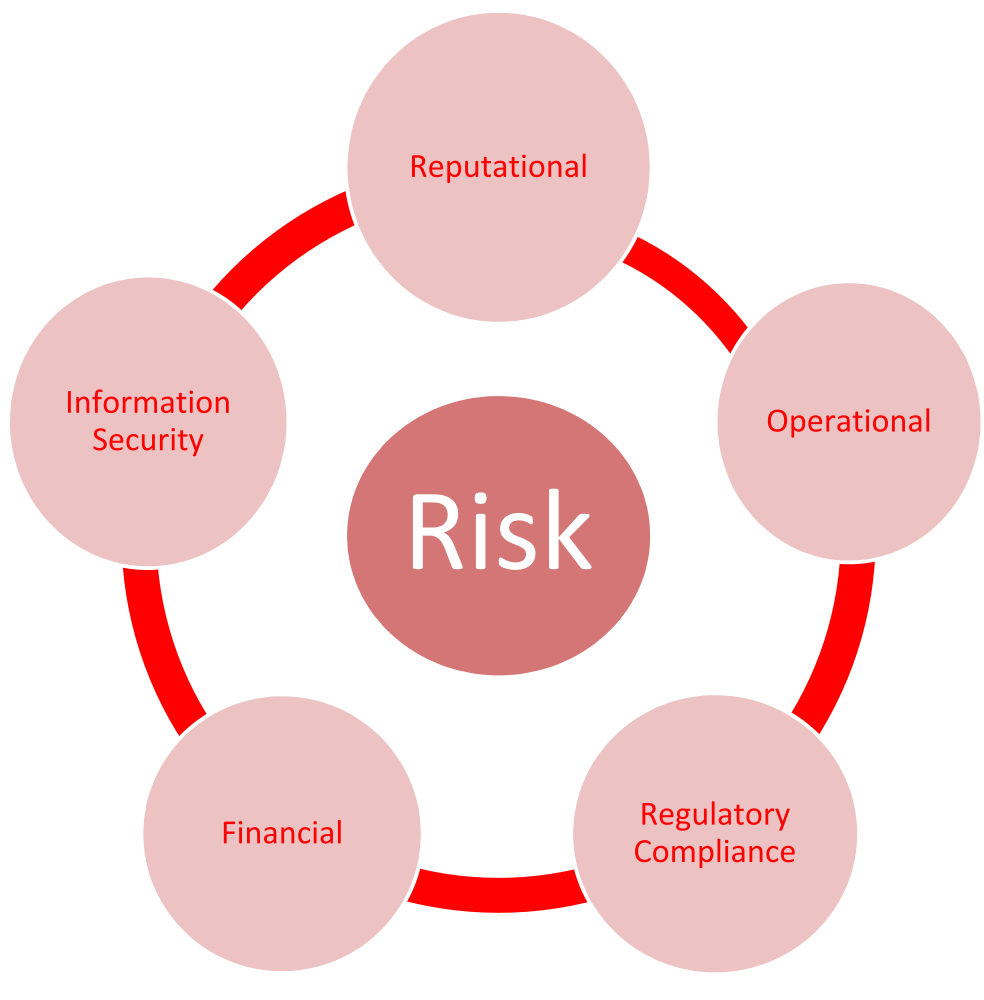 Fig 2. The multi-dimensional risk categories of Enterprise Social Networks.
Critical Insight & Conclusion
The true power of ESNs lies not in the technology itself, but in the shift from private communication (email) to public-internal interaction. While the operational risks—such as time-wasting on social media during work hours—are often cited as reasons for blocking these tools, the authors argue that the motivational benefits and the "needle in the haystack" solution far outweigh these concerns.
Takeaway for Leaders: Implementation of an ESN is a cultural change, not just a software rollout. To succeed, companies must move past the fear of information security risks and establish a robust governance framework that encourages transparent knowledge sharing while safeguarding corporate assets.