
Enterprise 2.0: Navigating the Rewards and Resilience of Corporate Social Networks
The Benefits and Risks of Enterprise Social Networks
This paper investigates the strategic implementation of Enterprise Social Networks (ESNs) like Yammer and Tibbr, distinguishing them from traditional social media. It presents a comprehensive framework for understanding how "Enterprise 2.0" tools facilitate internal collaboration, knowledge sharing, and organizational performance.
TL;DR
Social media isn't just for viral trends; in the corporate world, Enterprise Social Networks (ESNs) like Yammer and Skype for Business serve as the central nervous system for knowledge-driven organizations. This paper explores how ESNs break down silos through searchable expert profiles and collaborative "Enterprise 2.0" tools, while cautioning against five major risk categories—ranging from data privacy conflicts to internal reputational damage.
Current Positioning: An foundational integration of organizational theory and digital transformation, mapping the "Why" and "How" of modern internal communication.
The Motivation: Moving Beyond the E-mail Abyss
As of 2015, over 205 billion emails were sent daily, creating a massive "information overload" problem. In large multinational corporations, finding the right person with a specific skill (e.g., a database expert who speaks Arabic for a project in Qatar) becomes a "needle in a haystack" problem. The authors argue that traditional e-mail is a closed, sequential channel that fails to capture the latent knowledge within an organization's human capital.
Methodology: The Architecture of Enterprise 2.0
The paper defines ESNs as web-based platforms that allow for "persistent visibility" of communication. Unlike physical offices or private emails, conversations on ESNs are archived and searchable, turning every interaction into a potential building block for a corporate knowledge base.
Key Functional Pillars:
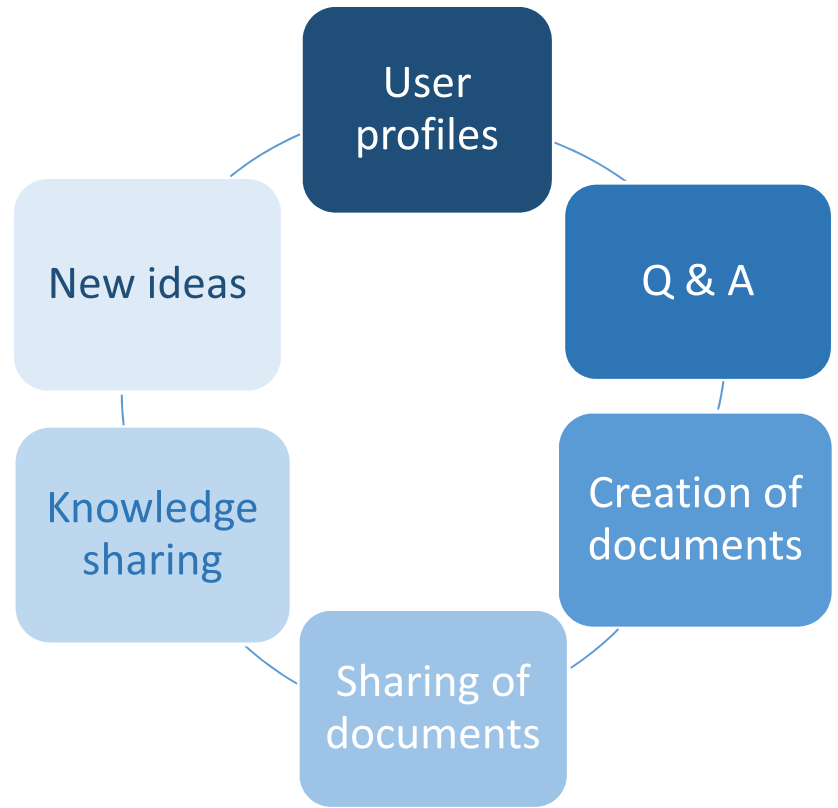
- Skills-Based Profiles: Moving beyond direct contact lists to searchable "Internal LinkedIns."
- Cloud-Based Co-authoring: Eliminating "v1, v2_final_final" email attachments in favor of single-source-of-truth documents.
- Knowledge Base Generation: Discussions within groups serve as a library for future problem-solving.
Risk Assessment: The Five Pillars of Digital Caution
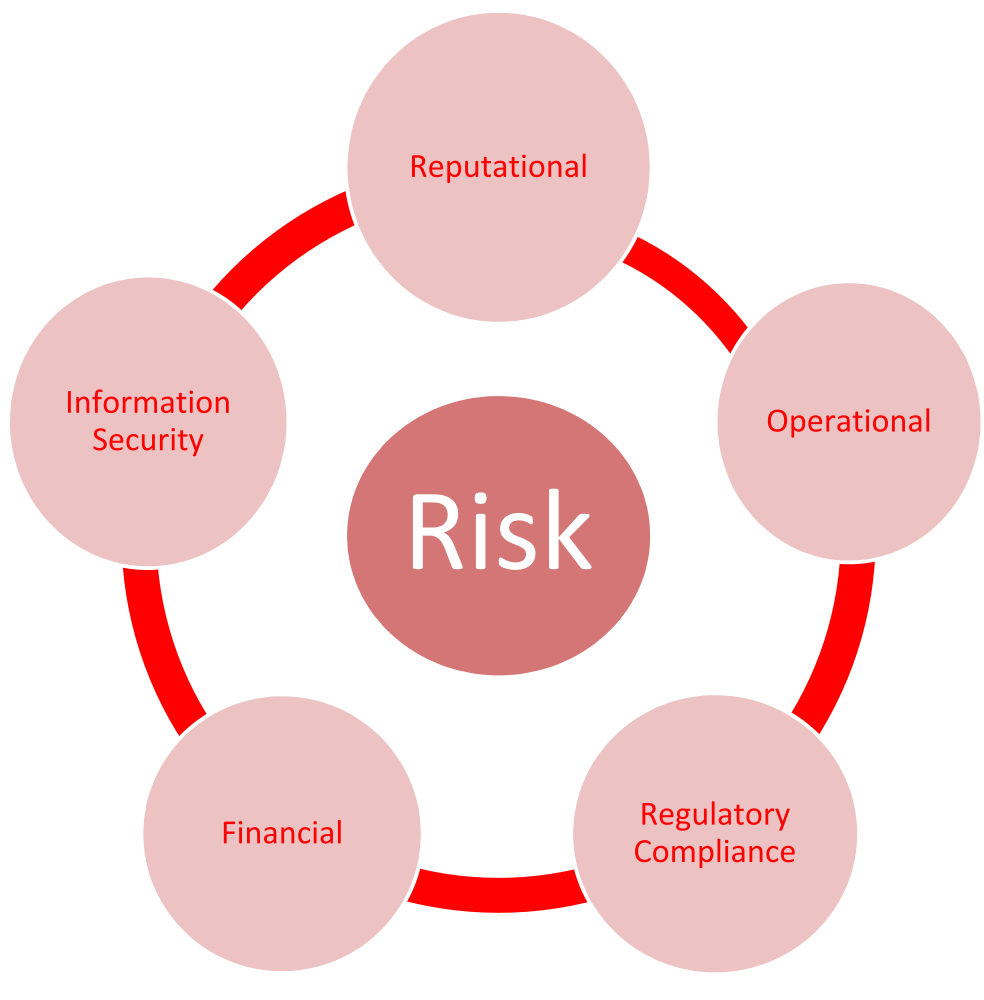
While the benefits are substantial (Innovation, improved decision-making, and customer engagement), the authors provide a critical taxonomy of risks:
- Reputational: The "accidental post" where employees confuse personal and business accounts.
- Operational: The fear of "slacking off" during work hours (though the authors argue mobile access makes blocking these sites futile).
- Regulatory Compliance: The legal nightmare of cross-border data protection laws (e.g., GDPR-style conflicts in global deployments).
- Financial: Market share drops triggered by inappropriate viral content or legal violations.
- Information Security: The vulnerability of shared logins and hacker targeting.
SOTA Insights & Conclusion
The paper concludes that ESNs provide a "Competitive Advantage" by shifting communication from a series of disjointed events into a continuous platform.
Critical Takeaway: The transition to an ESN is not just a technology upgrade; it is a cultural shift. The "Real Power" lies in the visibility of ongoing conversations—allowing people who were not explicitly invited to a thread to contribute their expertise. To succeed, companies must balance this openness with rigorous safety principles to prevent the identified financial and security risks.
Future Outlook: As we move further into the 2020s, the integration of these networks with AI and automated document generation will likely further refine how innovation is sparked within the "Enterprise 2.0" framework.