
Beyond the Average: A Big Data Framework for Precise Fetal Growth Monitoring
A Big Data Analytics Framework for Supporting Multidimensional Mining over Big Healthcare Data
The paper introduces a big data analytics framework for multidimensional mining of fetal growth patterns. It utilizes multidimensional views on top of clustering (EM and Density-based) and classification methods to generate "customized" fetal growth curves, achieving significantly higher diagnostic precision than static World Health Organization (WHO) standards.
TL;DR
Standard fetal growth charts are failing nearly half the time because they rely on outdated, "one-size-fits-all" population averages. This paper proposes a Big Data framework that abandons static charts in favor of Customized Growth Curves. By clustering mothers into "Homogeneous Patient Groups" based on ethnicity, BMI, and lifestyle, the system provides a personalized reference for every fetus, slashing false-positive rates and improving neonatal outcomes.
The "Average" Trap in Healthcare
In prenatal medicine, detecting a growth-restricted fetus early can be a matter of life or death. Currently, doctors use ultrasound measurements and compare them to reference curves (often provided by the WHO). However, if you apply a European average to a specific population in Southern Italy, the numbers break down.
The authors highlight a staggering reality: up to 46% of healthy babies are misdiagnosed as "pathologic" simply because they are being compared to the wrong reference group. Traditional models ignore the "Big Data" reality—that fetal growth is multidimensional, influenced by maternal height, weight, parity, and even environmental pollutants.
Methodology: Multidimensional Mining & HPGs
The core innovation lies in the transition from a single reference curve to thousands of dynamically updated Homogeneous Patient Groups (HPG).
1. The Dimensional Fact Model (DFM)
Instead of a flat spreadsheet, the framework treats each pregnancy as a multidimensional point in a complex space. Dimensions include:
- Personal Data & Familiarly (Ethnicity, genetic history)
- Maternal Biometry (Height, pre-pregnancy weight)
- Clinical Profiles (Diabetic and Glycemic profiles)
2. Clustering via Expectation Maximization (EM)
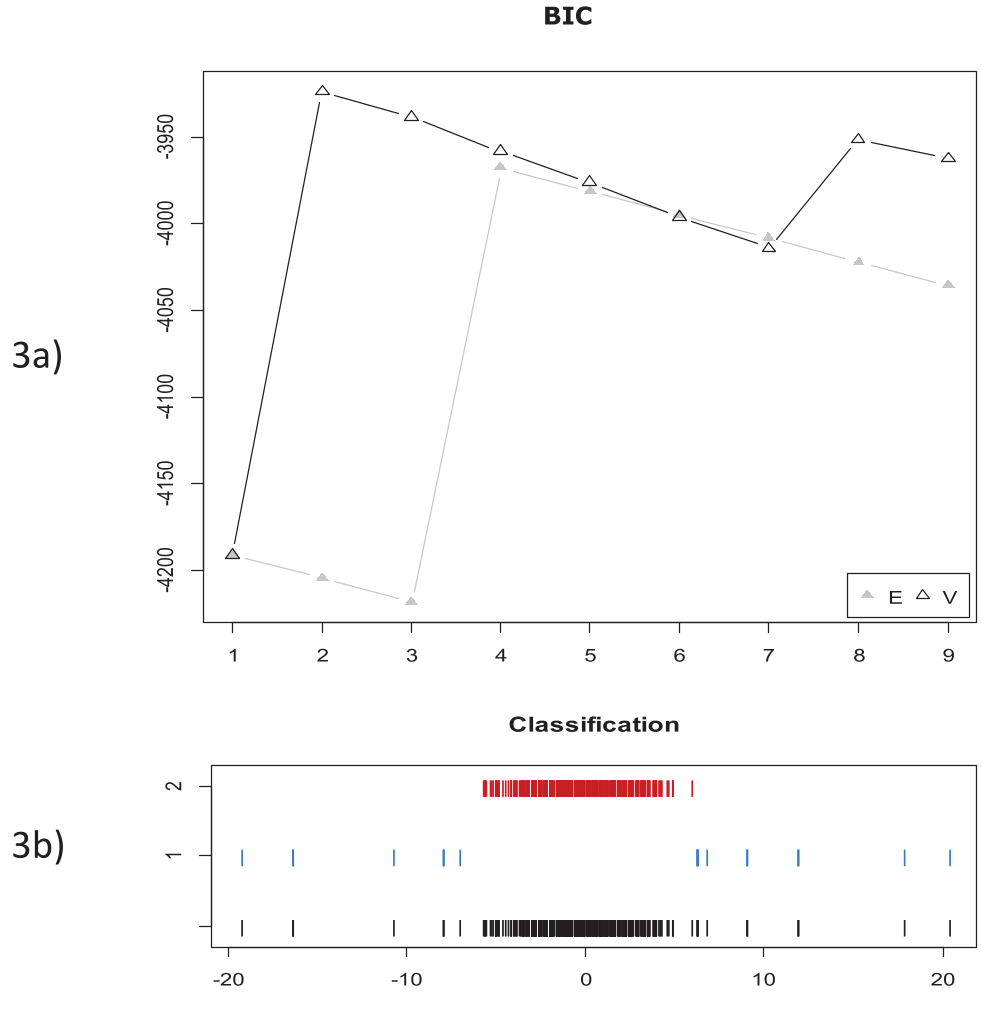
Because the number of "optimal" groups isn't known beforehand, the authors utilize EM Clustering. Unlike density-based algorithms which struggled with the non-homogeneous nature of medical data, the EM algorithm effectively modeled the Gaussian distribution typical of biometric sizes within homogeneous groups.
Experimental Validation
Using real-world data from the Apulia region in Italy (covering 1.5 million citizens), the authors tested the framework's efficiency and accuracy.
- Data Completeness: The study analyzed 60 attributes across 9 categories, noting that while "Personal Data" is usually complete, "Delivery Outcome" often remains sparse in clinical streams, highlighting a challenge for real-time synchronization.
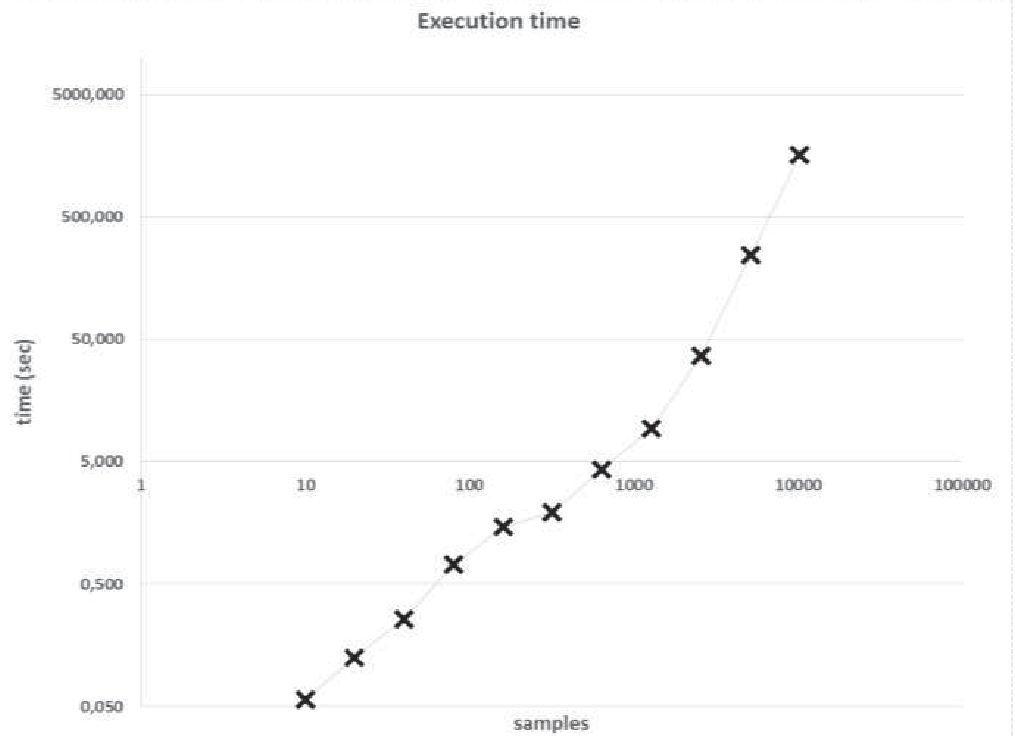
- Performance: The system demonstrated more-than-exponential execution time relative to dataset size, yet remained practical for clinical use—processing 5,000+ records in roughly 4 minutes.
Critical Insight: Why This Matters
The shift here is philosophical as much as it is technical. By moving from static archives (data five decades old) to dynamic streams (data from the current patient's peers), the framework accounts for "Long-term Population Trends." As diets and environments change, the HPGs evolve, ensuring that diagnostic standards remain relevant in a changing world.
Future Outlook
While the results are promising, the authors acknowledge the "uncertainty" inherent in medical data. Future iterations aim to incorporate adaptive metaphors—systems that learn to ignore outliers (like rare pathologies) while refining the reference points for healthy, yet non-standard growth patterns. This work paves the way for a global online service that could potentially process the world’s 160 million annual births, transforming prenatal care into a truly personalized science.