
Beyond the Classroom: How Black YouTube Influencers are Reframing Computing Mentorship
An Exploration of Black Students Interacting With Computing College and Career Readiness Vlog Commentary Social Media Influencers
This exploratory study investigates the role of Black social media influencers on YouTube as "near-peer" mentors for Black students in computing. The researchers synthesized expert advisor behaviors and conducted user experience trials, validating that vlog commentary is a highly effective, accessible, and culturally relevant medium for improving computing identity and career readiness.
TL;DR
Can a YouTube vlog be as effective as a formal academic advisor? This study argues "yes." By analyzing how Black students interact with tech influencers, researchers found that the authenticity, cultural cues, and "near-peer" relatability of social media creators can solve the "belongingness crisis" that often pushes Black students out of computing careers.
Background: The Mentorship Gap
The lack of representation for Black Americans in computing is a systemic issue. Two major barriers stand in the way: a low sense of belonging and inaccurate self-efficacy. Traditional mentorship is effective but often scarce. This research shifts the focus from institutional advisors to Social Media Influencers (SMIs), exploring whether these digital "personalities" can serve as scalable, accessible, and culturally relevant mentors.
The "Anatomy" of a Digital Advisor
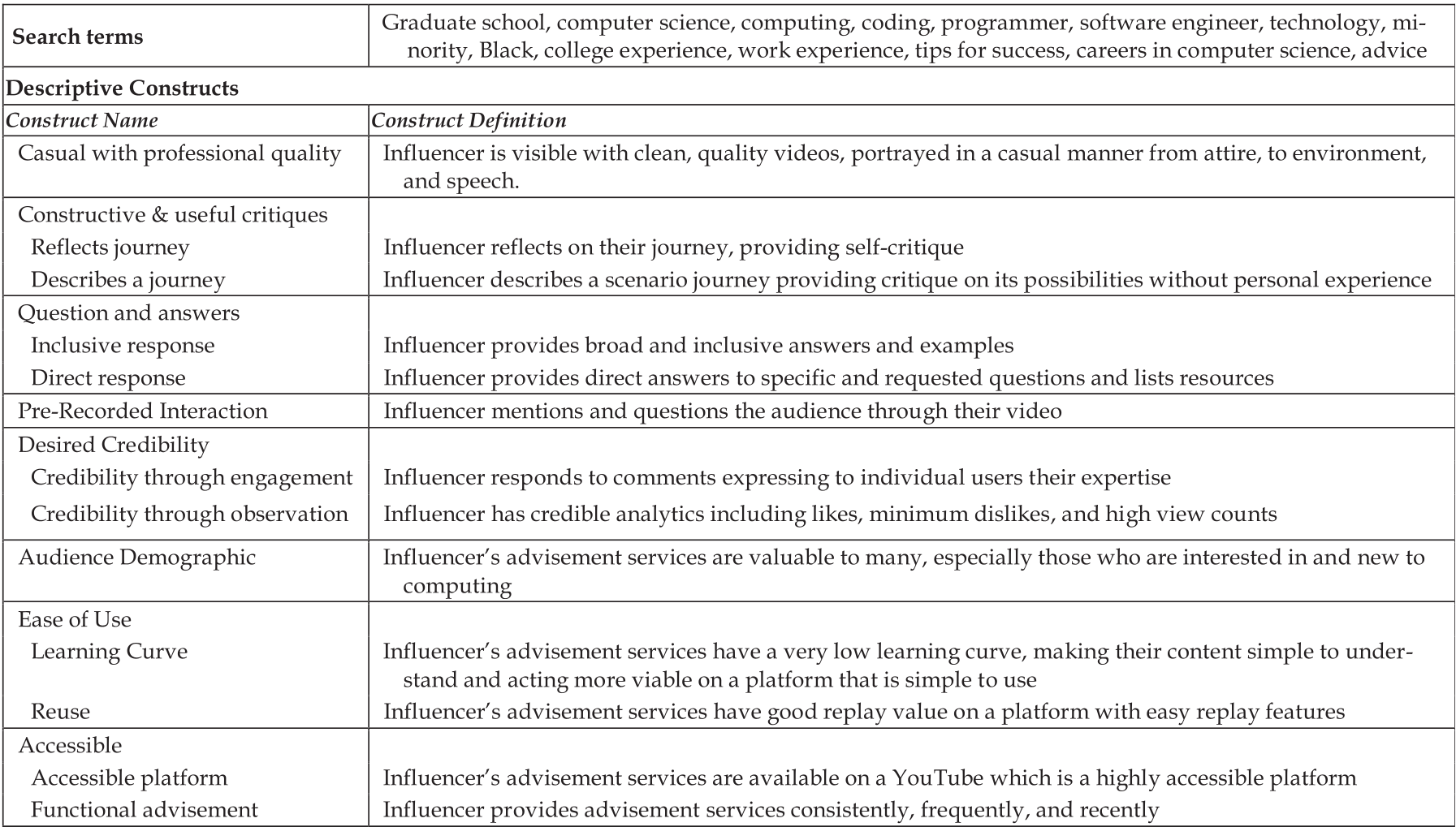
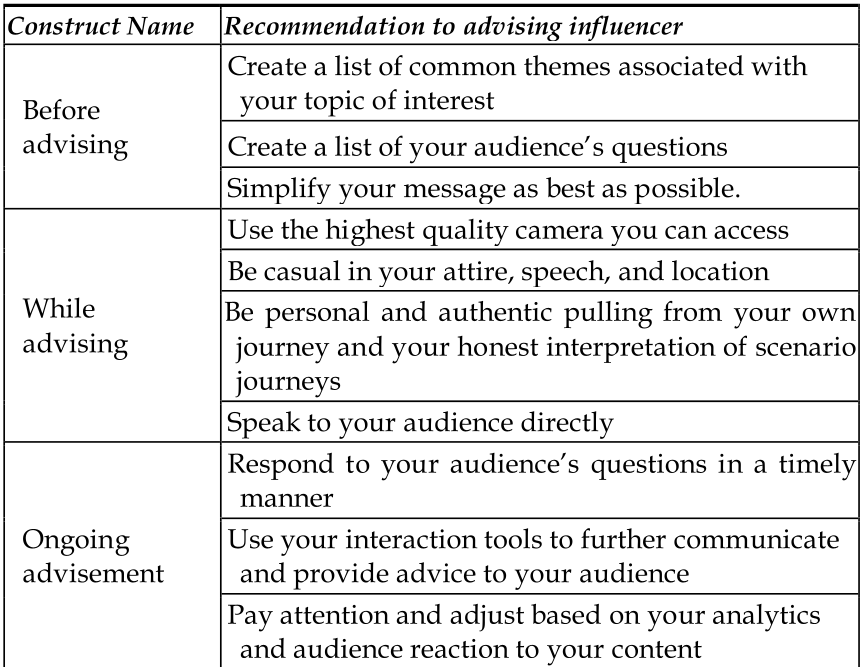
The researchers first synthesized what makes a YouTube tech advisor successful. They observed 31 videos and identified 13 core themes across advisement effectiveness, user experience, and usability.
Key Analytical Themes for Digital Mentors
| Stage | Recommendation |
|---|---|
| Before Advising | Simplify the message and address audience-specific questions. |
| While Advising | Use high-quality visuals, maintain casual speech/attire, and share "scenario journeys." |
| Ongoing | Use interaction tools (polls, stories) to provide resources and respond to trends. |
Methodology: Testing Real-World Impact
The study focused on Jarvis Johnson, a Black software engineer and influencer. Two groups—Black Ph.D. students and a diverse group of undergraduates—evaluated his content using the Mentoring Effectiveness Scale (MES) and the System Usability Scale (SUS).
The Findings
- High Effectiveness: Ph.D. participants gave the influencer an 84% effectiveness rating. Even though they were experts, they found the "authenticity" and "personable nature" refreshing.
- Usability as a Tool: The YouTube platform scored 86.25 in usability, proving it is a friction-free environment for learning.
- Target Audience: The data suggests that while CS majors appreciate the content, the true "value add" is for high schoolers and non-CS majors. These groups rely on influencers for the encouragement to start, rather than just technical tips.
Why It Works: The Cultural Connection
The success of these influencers isn't just about the code; it’s about Cultural Relevance. The hosts use cultural cues, share experiences with microaggressions, and speak in a manner that resonates with a minority audience. This creates a "feedback loop" where the student feels seen, reducing the feeling of being an "outsider" in tech classrooms.
Critical Analysis & Limitations
While the study provides a strong qualitative foundation, it has limitations:
- Sample Size: With only 20-21 participants per study, the results are exploratory, not definitive.
- Breadth vs. Depth: Influencers provide great "base-level" advice, but they cannot replace the intensive, one-on-one technical guidance required for advanced research.
- Content Lifecycle: Social media content can become outdated quickly compared to foundational academic principles.
Conclusion: A New Hybrid Model
The future of computing education shouldn't just be in the lab—it should be on the feed. By leveraging "vlog commentary" styles, universities and companies can reach students where they already are (YouTube and Instagram), providing a low-stakes gateway into an otherwise intimidating field. The "near-peer" model is no longer just a theory; it's a digital reality that could significantly diversify the tech workforce.