
Blackgammon: Healing Communities Through the Lens of Alternate Reality Games
Blackgammon: a grounded participatory design of a preconception health promotion 'alternate reality game' for adolescent indigenous australian women
This paper introduces "Blackgammon," a health promotion initiative that utilizes Alternate Reality Gaming (ARG) to engage adolescent Indigenous Australian women in preconception health. By merging transmedia storytelling with grounded participatory design (PD), the study establishes a collaborative framework for improving maternal and infant health outcomes.
TL;DR
In remote parts of Australia, traditional health brochures are being replaced by immersive stories. Blackgammon is a pioneering research project that uses Alternate Reality Gaming (ARG) and Participatory Design to empower young Indigenous women. By turning preconception health—covering topics like nutrition and prenatal care—into a collaborative, real-world game, this study aims to bridge the massive health disparity gap in North Queensland.
The Problem: When "Standard" Health Promotion Fails
The statistics are stark: in far north Queensland, over 25% of Indigenous mothers are under the age of 20. These young women face disproportionately high risks of low birthweight babies and maternal complications, often due to preventable factors like STIs and malnutrition.
Current health frameworks suffer from two major flaws:
- Accessibility: They fail to reach "digitally native" but geographically isolated youth.
- Pedagogy: They focus on "deficits" and negatives, which often lead to social exclusion and disengagement rather than empowerment.
The Insight: Reality is Broken, So Let's Build a New One
Inspired by Jane McGonigal’s thesis that "games can change the world," researcher Melody Muscat suggests that since 56-80% of Indigenous youth are already part of a "digital culture," the solution lies in their pockets.
Unlike traditional video games, an Alternate Reality Game (ARG) uses the real world as its platform. It uses SMS, social media, and physical locations to tell a story where the players are the protagonists. The "Blackgammon" project views ARG not just as entertainment, but as a framework for Collective Intelligence—a way for a community to problem-solve its own health future.
Methodology: Grounded Participatory Design
The core of the study is a three-phase approach that ensures the game is "meaningful" to its audience. You can't just impose a game; you must build it with the players.
The Design Framework
The research utilizes a Grounded Theory Participatory Design (PD) framework. This means the rules and story of the game emerge from the participants' own experiences and cultural norms.
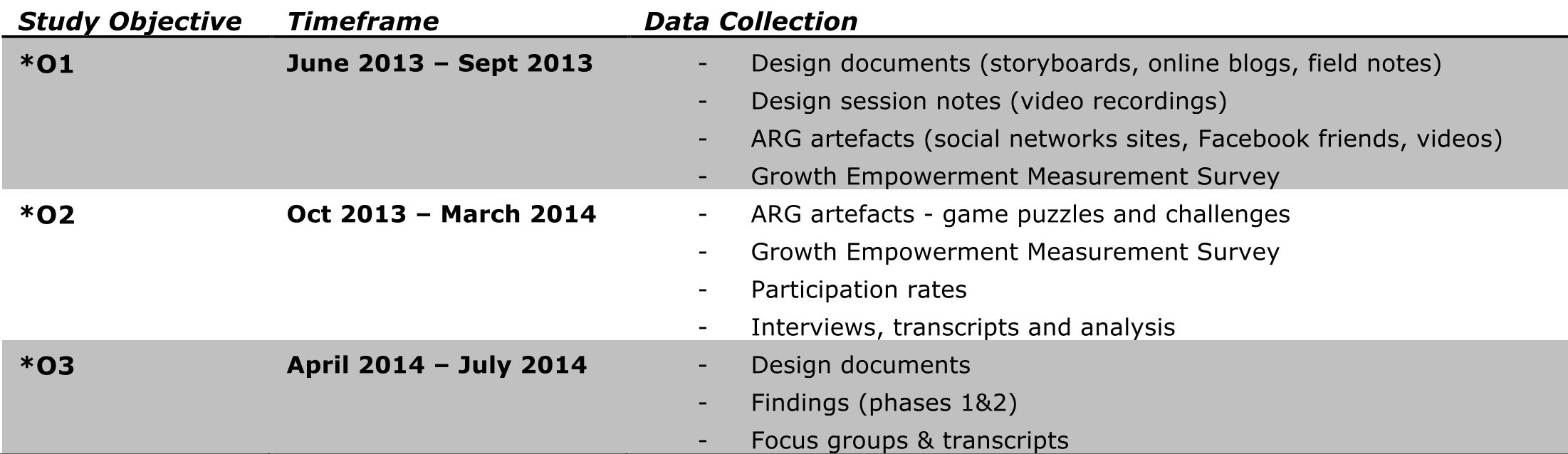
- Phase 1 (Design): Creating storyboards, blogs, and initial artifacts alongside adolescent women.
- Phase 2 (Play/Evaluation): Deploying game puzzles and challenges through social media and assessing "Empowerment" via the Growth Empowerment Measurement (GEM) survey.
- Phase 3 (Guideline Development): Distilling the findings into a toolkit that other Indigenous communities can use.
Experimental Goals and Expected Results
The study focuses on Fidelity and Empowerment. By tracking participation rates and analyzing game artifacts (like Facebook interaction and puzzle-solving success), Muscat aims to prove that ARGs can catalyze real-world behavioral changes.
The intended outcome isn't just "playing a game"—it’s the development of capabilities and proficiencies that lead to self-definition and better health choices before pregnancy even begins.
Critical Analysis & Future Outlook
Blackgammon represents a sophisticated shift in Human-Computer Interaction (HCI) research. It moves away from "apps as tools" and toward "narratives as environments."
- Innovation: It recognizes that the social aspect of gaming is more important than the technical aspect for this specific demographic.
- Limitations: The study is in its early stages (as of the paper's publication), and the "hard to reach" nature of the group means that maintaining long-term engagement in a transmedia narrative is a significant hurdle.
- Conclusion: If successful, "Blackgammon" provides a blueprint for using transmedia storytelling to solve complex, "wicked" public health problems in any underserved community globally. It proves that when reality feels broken or limiting, the best way to fix it might be to play through an alternate one.
Published in CHI '13: CHI Conference on Human Factors in Computing Systems.