
Blockchain and Data Jackets: Engineering a Trust-Based Infrastructure for the Data Economy
Realization of Data Exchange and Utilization Society by Blockchain and Data Jacket: Merit of Consortium to Accelerate Co-Creation
This paper introduces Fujitsu's data exchange platform which integrates Blockchain technology with the "Data Jacket" (DJ) metadata framework. The system facilitates a "Consortium" structure to enable secure cross-industry data co-creation and value discovery without exposing raw sensitive content.
TL;DR
Fujitsu proposes a multi-layered solution to the data-sharing deadlock by combining Blockchain for secure access and Data Jackets for privacy-preserving metadata representation. By establishing "Consortiums"—closed, goal-oriented communities—the framework allows industries to co-create value from sensitive data without compromising information security, eventually paving the way for a global open data market.
Background: The Trust Deficit in Data Co-creation
In the era of AI and Big Data, the most valuable insights often lie at the intersection of different industries. However, a major bottleneck exists: companies are sitting on "data goldmines" but are terrified of leaks, regulatory non-compliance, or losing competitive advantages. Prior attempts at open data markets often failed because they required sharing too much, too soon, with too little oversight.
Methodology: The Architecture of Invisible Data
Fujitsu’s approach centers on two core technologies that reconcile the need for transparency with the necessity of privacy.
1. Data Jackets (DJ)
A Data Jacket is essentially a "digest" or "digestible summary" of a dataset. It describes what the data is about and how it was collected without disclosing the actual content. This allows stakeholders to discuss the utility of data without the risk of a breach.
2. VPX (Virtual Private Exchange) & Blockchain
The platform uses a blockchain-based network control technology called VPX. This creates a secure, decentralized environment where:
- Access Control is immutable and transparent.
- Relationship Visualization allows members to see how their "Data Jackets" might interlock with others to solve complex problems.
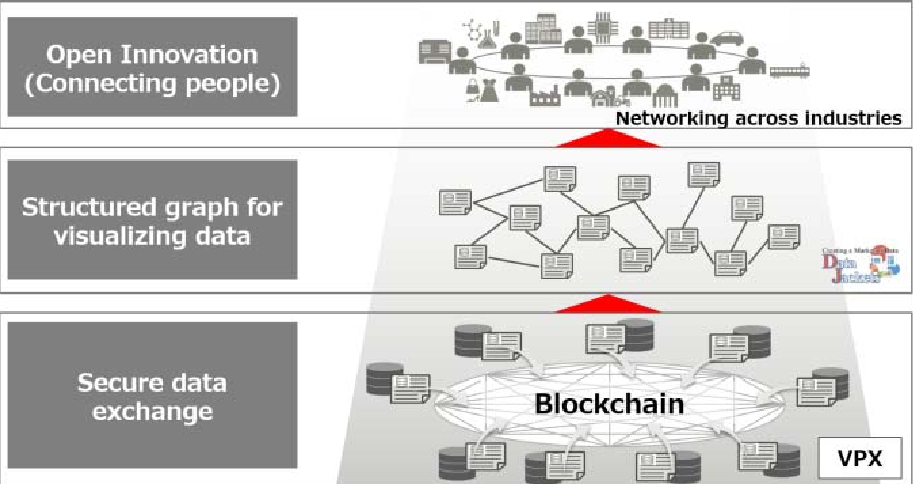 Fig.1: The conceptual bridge between data providers and users through a secure platform.
The Power of the Consortium
The authors emphasize that technology alone isn't enough; governance is key. They define the "Consortium" as a closed co-creation space led by an innovative "anchor" company.
Key Merits of the Consortium Model:
- Mutual Trust: Since participants are vetted and share common objectives, they are more likely to contribute rare, high-value data.
- Diverse Skillsets: Data holders, analysts, and business developers harmonize their capabilities within a single trusted orbit.
- Reduced Friction: Standardized regulations for IP (Intellectual Property) and data management within the consortium bypass the lengthy legal negotiations usually required for one-off data trades.
 Fig.2: The Virtuora DX interface demonstrating how data interrelations are visualized for consortium members.
Evolution: From Silos to Open Markets
The paper outlines a strategic roadmap for the data society. It argues that data utilization must evolve in steps:
- Phase 1: Secure exchange within a Closed Consortium.
- Phase 2: Interoperability across multiple Consortiums.
- Phase 3: Integration into a standardized Open Data Market.
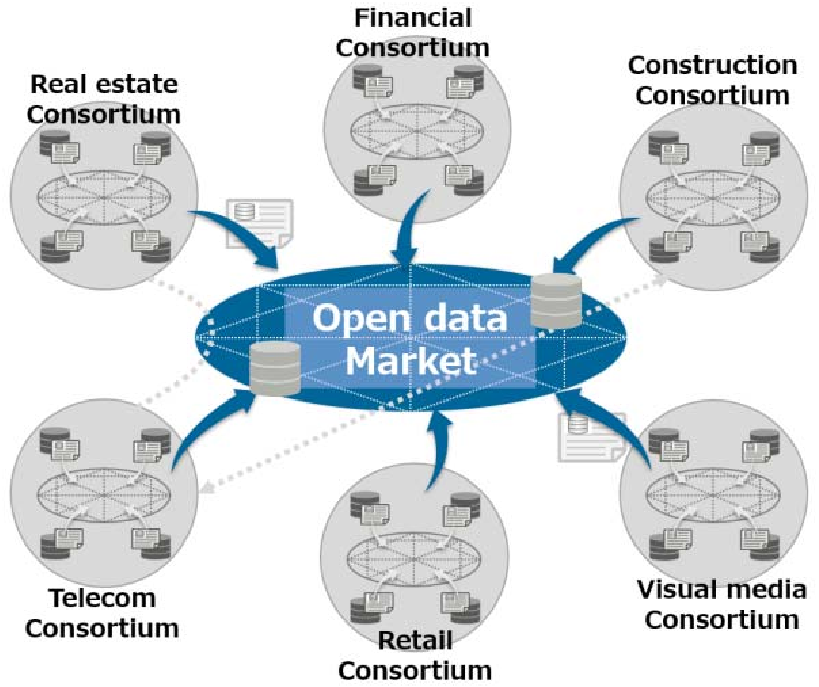 Fig.3: The three-step evolution of data liquidity proposed by Fujitsu.
Critical Insight & Conclusion
Fujitsu’s work is a pragmatic realization that data liquidity is a social problem as much as a technical one. By using Blockchain to enforce trust and Data Jackets to abstract content, they've created a "sandbox" where innovation can happen safely.
Limitations: While the consortium model solves the trust issue, it may introduce new silos if different consortiums use incompatible blockchain protocols or metadata standards. The future success of this "Society 5.0" vision depends heavily on the global standardization of metadata frameworks like the Data Jacket.
In conclusion, the integration of blockchain with human-centric "consortium" governance provides a viable blueprint for breaking the data silos that currently stifle industrial AI development.