
Blockchain + Big Data: Redefining the Architecture of Inclusive Finance
Blockchain Technology in Inclusive Finance Under the Background of Big Data
This paper explores the integration of blockchain technology and big data to enhance inclusive finance. It proposes a decentralized financial model (GSP) that leverages distributed ledgers and smart contracts to reduce information asymmetry and risk.
TL;DR
This research addresses the long-standing "last mile" problem in inclusive finance. By integrating Blockchain's decentralized trust with Big Data's predictive analytics, the authors present a model that significantly reduces credit and operational risks (scoring below 2.5 in risk metrics). It moves finance from a centralized, high-cost intermediary system to a peer-to-peer GSP (General Subsidy/Supply-side) model.
Context: The Inclusive Finance Dilemma
Inclusive finance aims to provide affordable financial services to all, especially SMEs and low-income individuals. However, traditional banks often avoid these sectors due to:
- Information Asymmetry: Lack of reliable credit history for small players.
- High Costs: Manual auditing and transaction processing outweigh the small margins.
- Data Silos: Each institution holds fragmented data, preventing a holistic view of customer risk.
Methodology: The Blockchain-Big Data Synergy
The paper proposes a multi-layered approach to solve these bottlenecks:
1. The Resource Allocation Model
The authors define the optimal allocation of resources using a macroscopic effect function. This mathematical foundation ensures that the system accounts for interest rates () and the time value of resources ().
2. Decentralized Customer Management
Instead of a central database, the system uses distributed ledgers. This allows for:
- Multi-node Consensus: Data is verified by multiple entities, making fraud nearly impossible.
- Immutability: Once a credit transaction is recorded, it cannot be altered, ensuring a "golden record" of truth.
 Figure 1: Conceptual synergy between blockchain and big data in financial ecosystems.
3. The GSP Financial Model
Under this model, the blockchain platform acts purely as an information intermediary. Supply and demand for funds are published directly on the network and matched automatically through smart contracts, bypassing redundant manual approvals.
Critical Results: Quantifying the Risk Reduction
The study conducted a longitudinal analysis of "Bank C" and surveyed banking practitioners to evaluate the impact.
- Credit & Operational Risk: Both saw a significant decline. By establishing a "distributed credit system," the platform broke data islands and improved the credit qualifications of subjects.
- Quantified Impact: On a standardized risk scale, credit risk was successfully pushed below the 2.5 mark, indicating a shift toward "low-risk" status.
 Table 1: Growth of private market entities and inclusive banking service development (2018-2020).
A New Set of Challenges
Interestingly, while credit risk dropped, IT Technical Risk and Regulatory Policy Risk slightly increased (scoring 2.62 and 2.61 respectively). This suggests that the shift to blockchain moves the burden of risk from human error to system vulnerability and legal uncertainty.
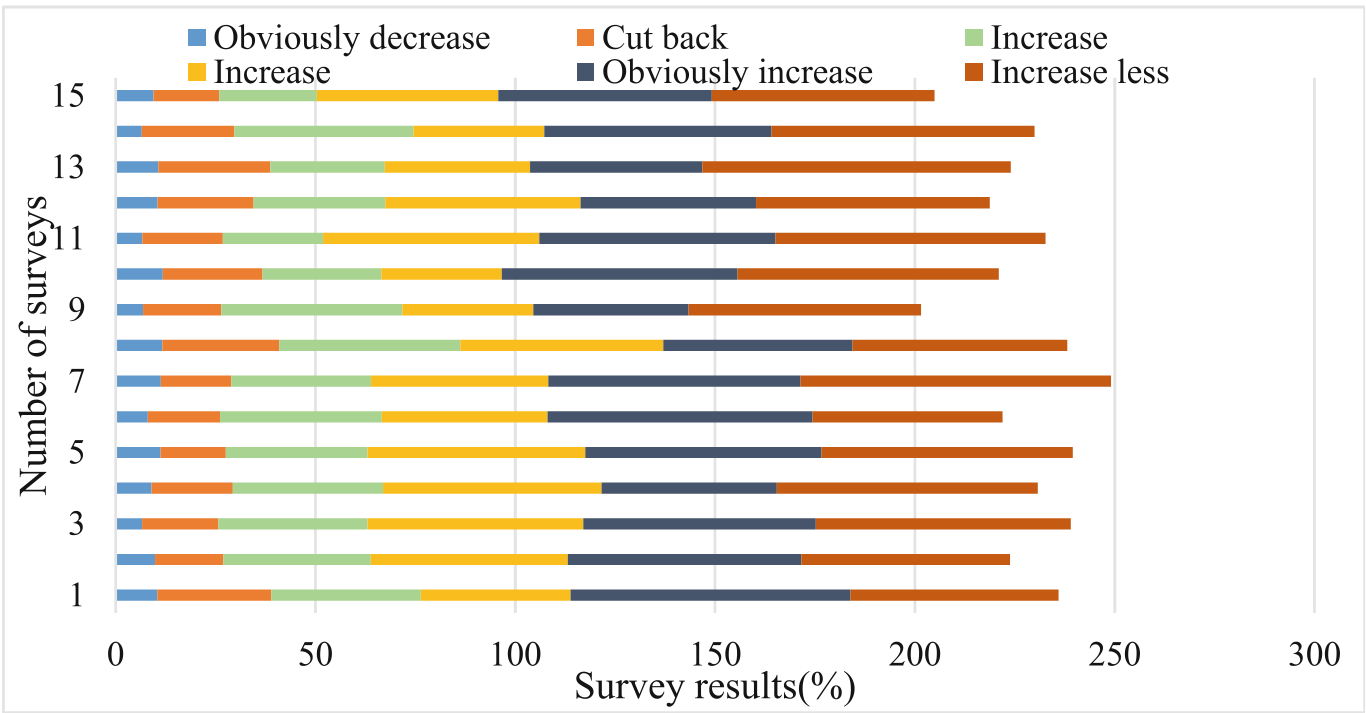 Figure 2: Practitioner sentiment on risk changes post-blockchain implementation.
Deep Insight & Conclusion
The core contribution of this work is the realization that Inclusive Finance is a trust problem, not just a capital problem. By using blockchain to create a "transparent, traceable, and non-tamperable" ledger, the system generates the trust required to lend to previously "unbankable" sectors.
Takeaway for the Future: The next frontier for this research involves addressing the spike in "IT technical risk." As we automate credit with smart contracts, the robustness of the underlying code becomes the new "credit score" for the financial institution itself.
Limitations: The study relies heavily on survey data from bank practitioners. A more rigorous quantitative audit of transaction failure rates before and after blockchain deployment would strengthen the methodology.