
Blockchain: The New Frontier for "Number-Based Governance" in Student Physical Health
Research on the Path of "Number-Based Governance" of Students' Physical Health Based on Blockchain Technology
This paper proposes a blockchain-based "Number-Based Governance" framework to reform the management of student physical health data in China. By integrating Smart Contracts and Asymmetric Encryption into a decentralized platform, it aims to achieve data authenticity, information security, and efficient resource sharing across schools and government agencies.
TL;DR
To address the pervasive issues of data fraud and information lag in student physical health testing, this paper introduces a blockchain-driven governance framework. By leveraging the immutability and decentralized nature of blockchain, the authors propose a system where "data speaks," ensuring authentic reporting and real-time feedback through Smart Contracts and encrypted privacy layers.
Background & Motivation: The Crisis of Trust in Physical Education
As students' physical health gains national priority under the "14th Five-Year Plan," the systems used to track this health are failing. Current pain points include:
- Data Distortion: High teaching pressure leads many instructors to "hastily" report or even fabricate test data.
- The Feedback Barrier: Data flows upward to research centers but rarely returns to schools with actionable advice.
- Privacy vs. Sharing: Centralized databases are vulnerable to leaks, making schools hesitant to share data for horizontal comparison.
The authors argue that a shift from a tree-type hierarchy to a grid-type transmission model is essential for genuine "Number-Based Governance."
Methodology: Rebuilding the Health Platform on the Chain
The core of the proposal lies in three technological pillars:
1. Smart Contracts for Data Integrity
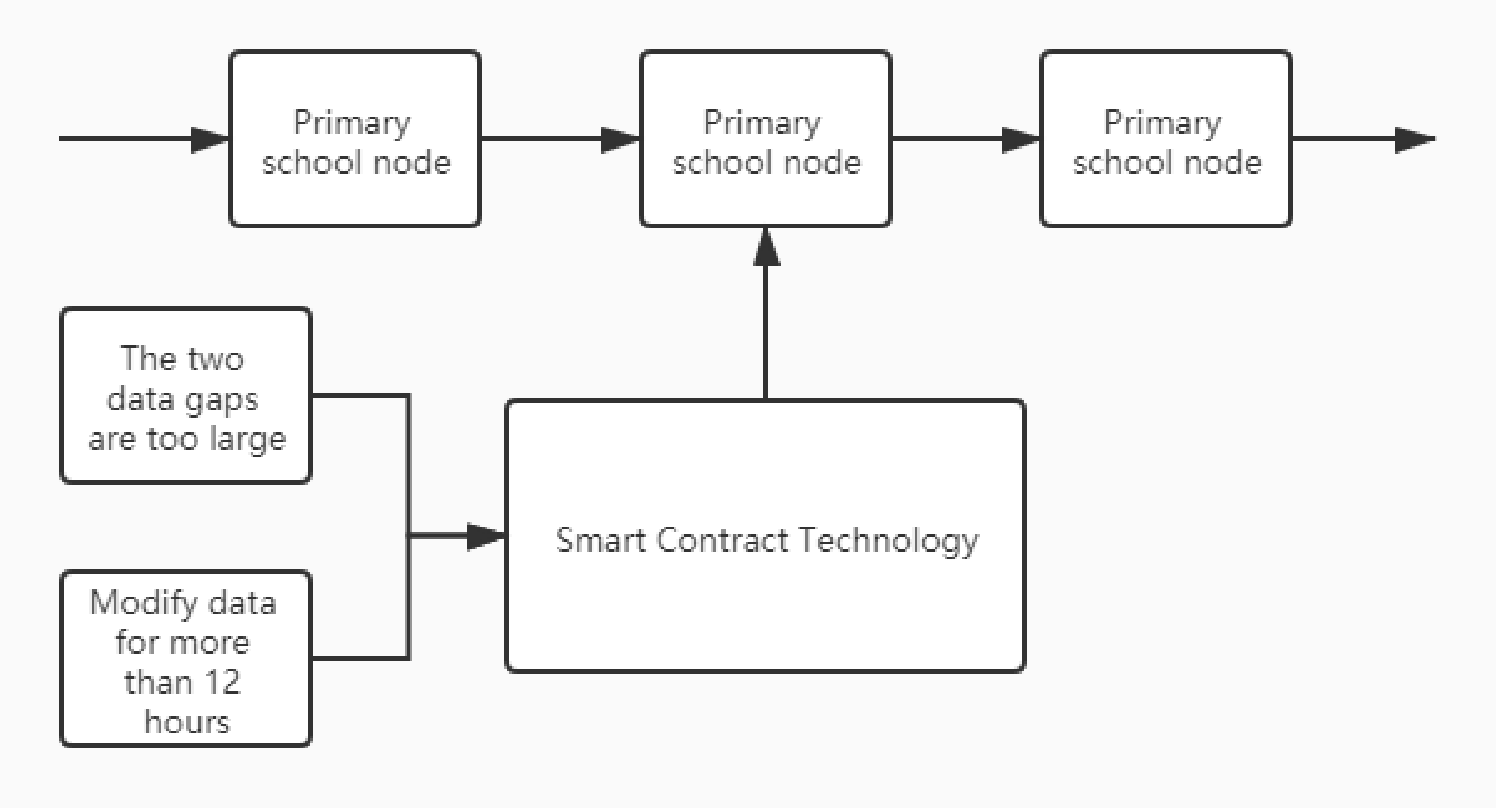
The system utilizes Smart Contracts to automate the data reporting link. It limits modification windows and automatically compares new data against historical trends. If a sudden, unrealistic spike in performance is detected, the system triggers an alert to local education departments.
2. Asymmetric Encryption for Privacy
To solve the conflict between data sharing and student privacy, the authors propose a dual-key system. Schools use a public key for broad data trends, while individual students and parents hold a private key to access their specific health management opinions and longitudinal files.
3. Comprehensive Information Analysis
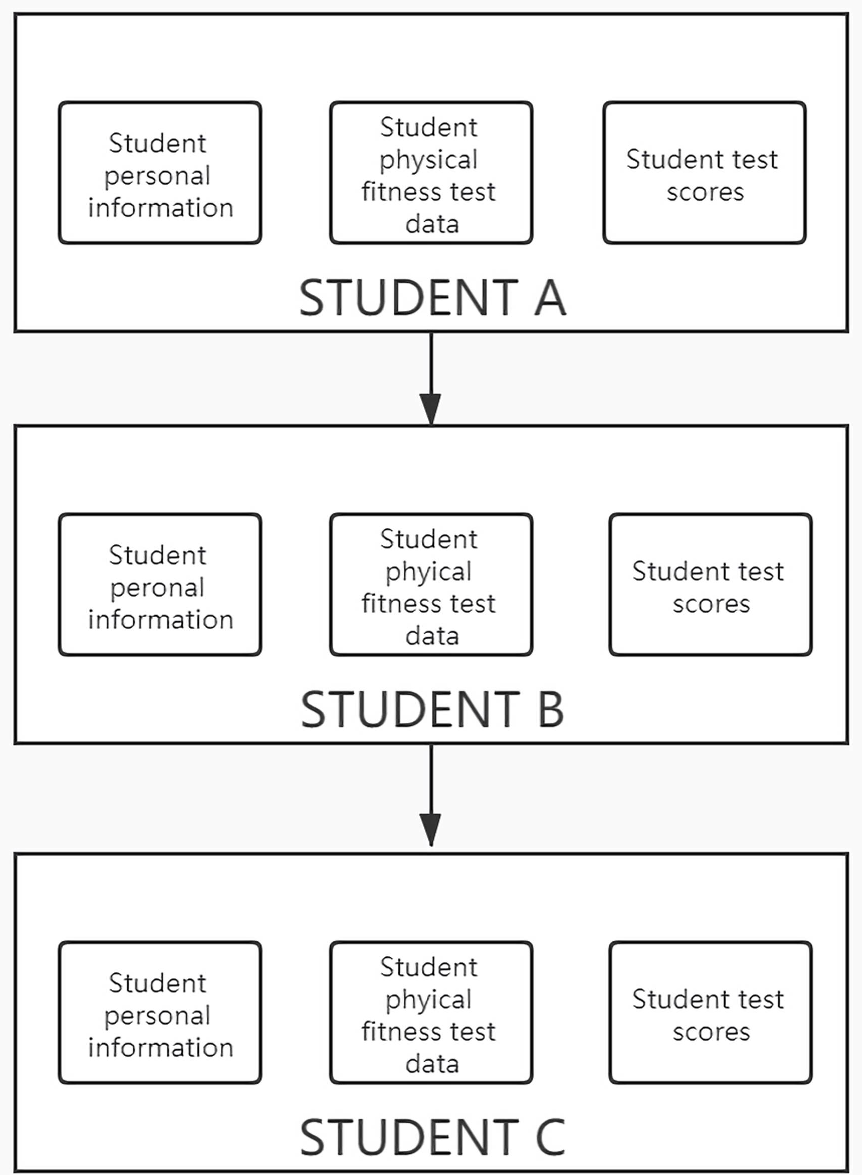
Going beyond mere "height and weight," the framework integrates academic performance and family factors into the chain, creating a "user profile network" to find correlations between health and culture.
Transforming the Governance Model
The paper emphasizes that this is not just a technical upgrade but a shift in Internet Thinking:
- Trust Incentive System: Schools with high data integrity receive "block incentives" or praise in provincial assessments.
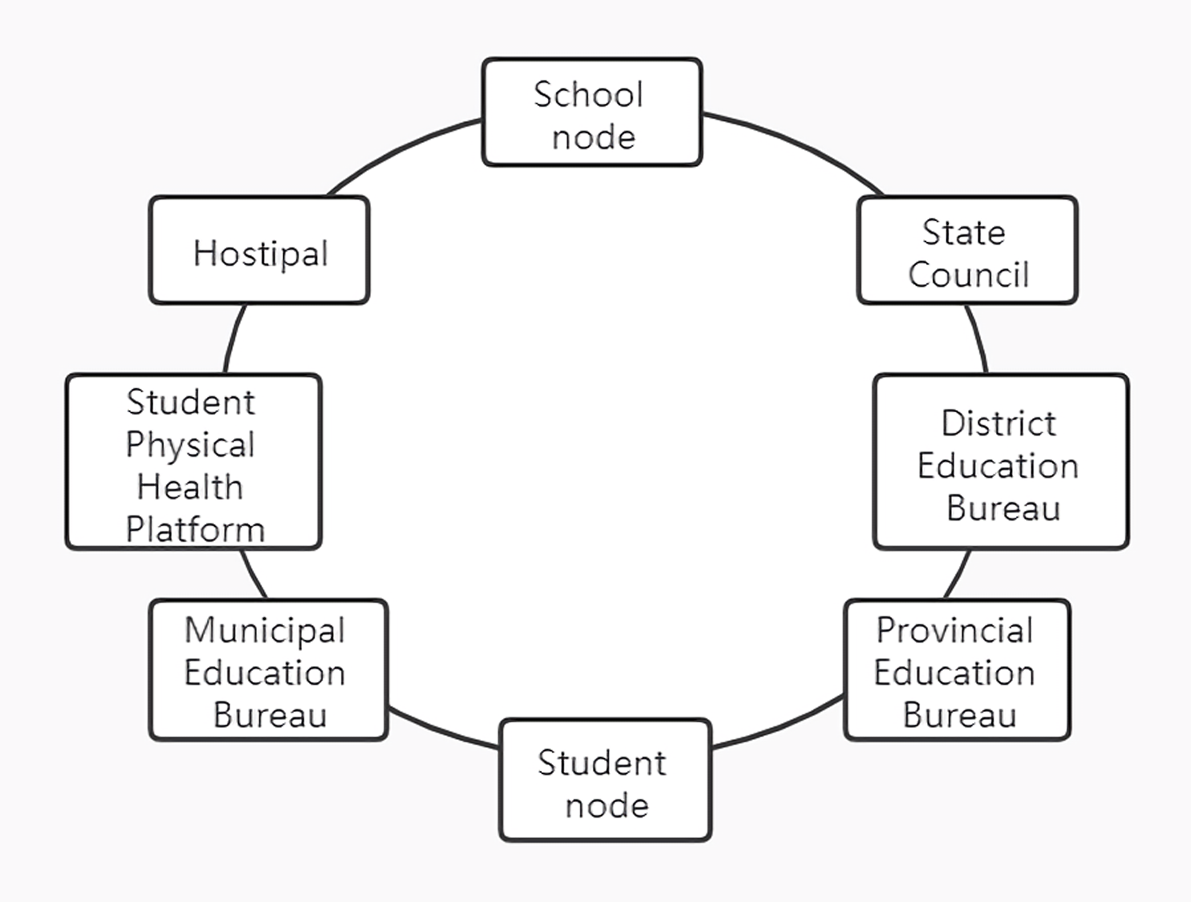
- The Shared Chain: Multiple heterogeneous systems (Education, Health, Government) can access the same transparent data, eliminating information silos.
Critical Insight & Conclusion
While the paper provides a robust theoretical path, the implementation challenge remains: the high cost of upgrading measurement equipment at the "bottom of the pyramid" (Pyramid of data measurement) still poses a bottleneck.
However, the transition from "rigid governance" (top-down commands) to "flexible planning" (data-driven decisions) marks a significant evolution in how public health is managed. By 2035, such decentralized systems could form the backbone of a modernized, health-conscious society.
Takeaway
For researchers and policymakers: Blockchain isn't just for finance; it’s a critical infrastructure for ensuring that the "numbers" we use to manage public health are actually real.