
Blurring Lines: Can Virtual Avatars Replace Human Influence in Marketing?
Blurring lines between fiction and reality: Perspectives of experts on marketing effectiveness of virtual influencers
This research explores the marketing effectiveness of Virtual Influencers (VIs) such as Lil Miquela through qualitative expert interviews. It identifies a "humanized storytelling" framework as a core driver for VI success, noting that while VIs offer high brand control, their long-term impact depends on navigating the "Uncanny Valley" and perceived authenticity.
TL;DR
Virtual Influencers (VIs) like Lil Miquela and Shudu are no longer just digital oddities; they are high-reach marketing assets. This study deep-dives into expert perspectives to reveal that while VIs offer brands unprecedented control and "post-human" perfection, their survival depends on narrative depth and transparency rather than just looking real.
Background Positioning
While most industry talk about VIs is hype-driven, this paper acts as a structural critique. It sits at the intersection of Parasocial Theory and Digital Ethics, moving beyond the "what" of digital avatars to the "how" and "why" of their marketing psychological influence.
The Problem: The Authenticity Paradox
In the influencer economy, "Authenticity" is the primary currency. Human influencers are trusted because they can physically "try" a product. VIs, by definition, cannot. This creates a fundamental tension:
- Prior Work Limitation: Most marketing frameworks assume a human-to-human connection.
- The Insight: Authors argue that VIs must pivot from "Human Authenticity" (being real) to "Narrative Authenticity" (being consistent within a story).
Methodology: Tapping the "Brain Trust"
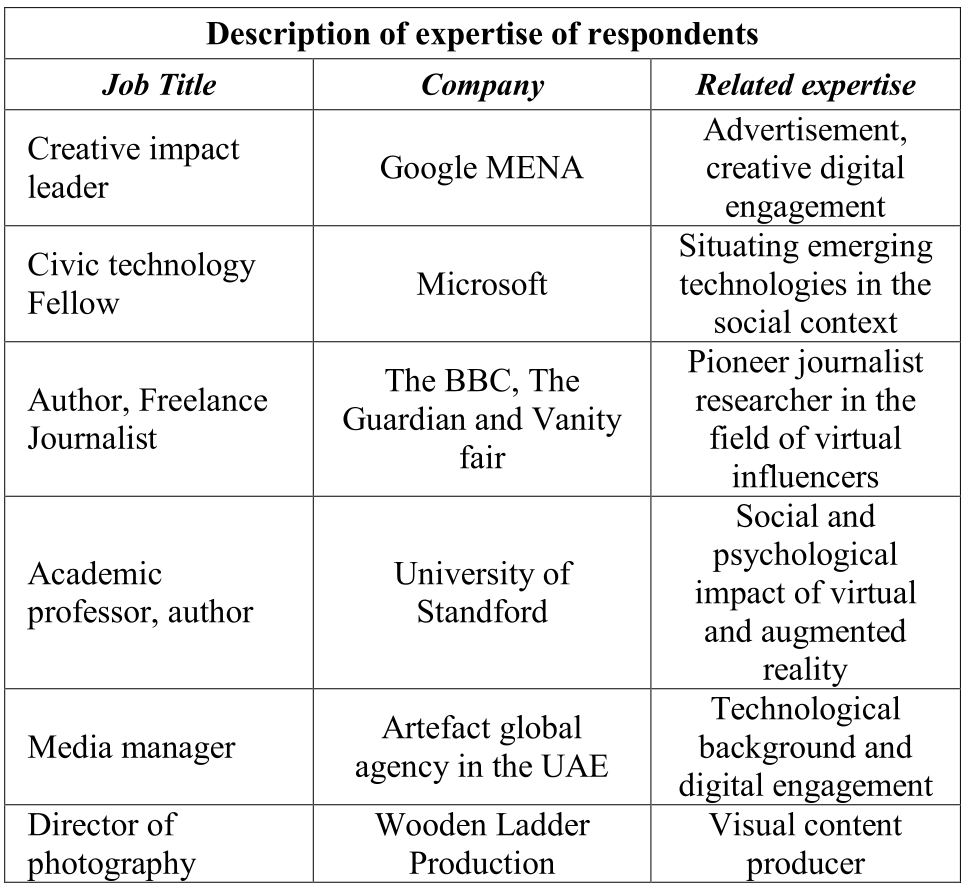
The researchers didn't just look at follower counts. They interviewed experts from tech giants (Google, Microsoft) and elite academia (Stanford) to unpack the VI phenomenon.
Key Themes Identified
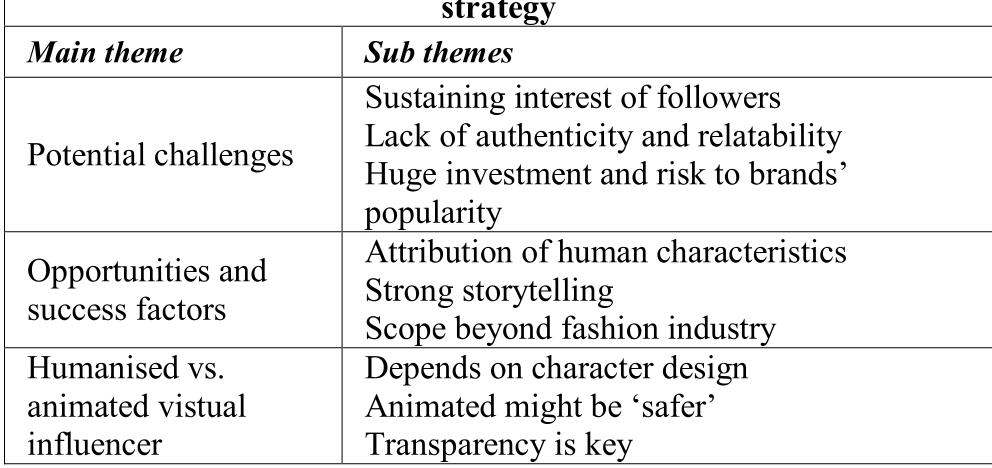
Methodology & Direct Insights: The Core Mechanisms
The paper outlines three pillars for VI effectiveness:
- Humanized Storytelling: To overcome the "lifeless" nature of code, VIs need "staged vulnerabilities" (e.g., Lil Miquela posting about heartbreak).
- Risk Mitigation: VIs are "safe" assets. They don't have scandalous pasts, they don't age, and they don't demand travel expenses.
- The Uncanny Valley: Interestingly, experts noted that looking too human might backfire. Animated characters (like Noonoouri) are often "safer" because they avoid the creepy psychological response humans have to "near-human" entities.
Experiments & Results: What Makes a Digital Star?
The study highlights that Lil Miquela’s reach is 224% higher than human influencers with similar follower counts. However, the experts highlighted a steep "Entry Barrier":
- High CapEx: Building a high-quality VI requires a "top-notch team" (think Pixar-level animation and HBO-level scriptwriting).
- Industry Expansion: While luxury fashion (Prada, LV) leads the way, sectors like Healthcare and Tourism are the next frontiers for VI integration.
Deep Insight: Critical Analysis & Conclusion
Takeaway
The success of a Virtual Influencer is a Design Challenge, not just a technical one. Brands should view VIs not as "fake people," but as "interactive IP."
Limitations & Future Outlook
- Legal Gray Zones: Who owns the IP? What happens when a VI’s creator is accused of cultural appropriation (as seen with Shudu)?
- The Gen Z Factor: While older generations might find VIs deceptive, Gen Z/Alpha—raised in gaming metaverses—view digital characters as valid social peers.
- The Next Step: Future research must pivot from "Expert Opinions" to "Consumer Brain Imaging" to see if our brains truly differentiate between a digital "like" and a human one.
Final Thought: We are entering an era where the fiction of a brand’s story is more influential than the reality of its spokesperson.