
SRIE: Transforming Mobile Carriers into Social Network Powerhouses
A Case Study of Building Social Network for Mobile Carriers
This paper proposes SRIE (Social Relation Based Interactive Environment), a framework for mobile carriers to build social networks by leveraging telecommunication assets. It introduces a methodology to derive "Social Relation Indexes" (SRI) and manage communities using IMS (IP Multimedia Subsystem) infrastructure.
TL;DR
As global Social Networking Service (SNS) usage skyrocketed, mobile carriers found themselves sitting on a goldmine of data—call records, address books, and SMS history—that represents "real-world" social graphs far more accurately than digital "friend" clicks. This paper introduces SRIE (Social Relation Based Interactive Environment), a system designed to automate the creation of social networks and communities by integrating carrier data with the IP Multimedia Subsystem (IMS).
Background & Motivation: Real-Life vs. Cyberspace
The paper identifies a critical gap in early 2000s social networking: platforms like Facebook or MySpace required manual, explicit user action to build networks. However, mobile carriers possess data that reflects implicit social ties. If you call someone five times a day, that relationship is statistically significant, whether you've "added" them on a website or not.
The authors argue that by using this "real-life" data, carriers can offer a more intuitive and dynamic SNS experience, moving beyond being a mere "pipe" for data and becoming a vital service infrastructure.
Methodology: The SRIE Architecture
The SRIE framework is composed of three sophisticated layers that handle the "lifecycle" of a social relationship:
1. RCDC (Relation and Context Data Collector)
This layer acts as the ingestion engine. It pulls data from internal sources (SMS/MMS history, PIMS address books, Location-Based Services) and external sources (portals like Cyworld or Naver).
2. SRG (Social Relation Generator)
This is where the magic happens. The SRG applies weighted policies to raw data to create a Social Relation Index (SRI).
- Logic: A voice call might have a higher weight than an SMS. A "gift record" from an external portal might signal a high-intimacy bond.
- Outcome: The buddy list becomes dynamic. Instead of an alphabetical list, your "most relevant" friends surface based on real-time communication patterns.
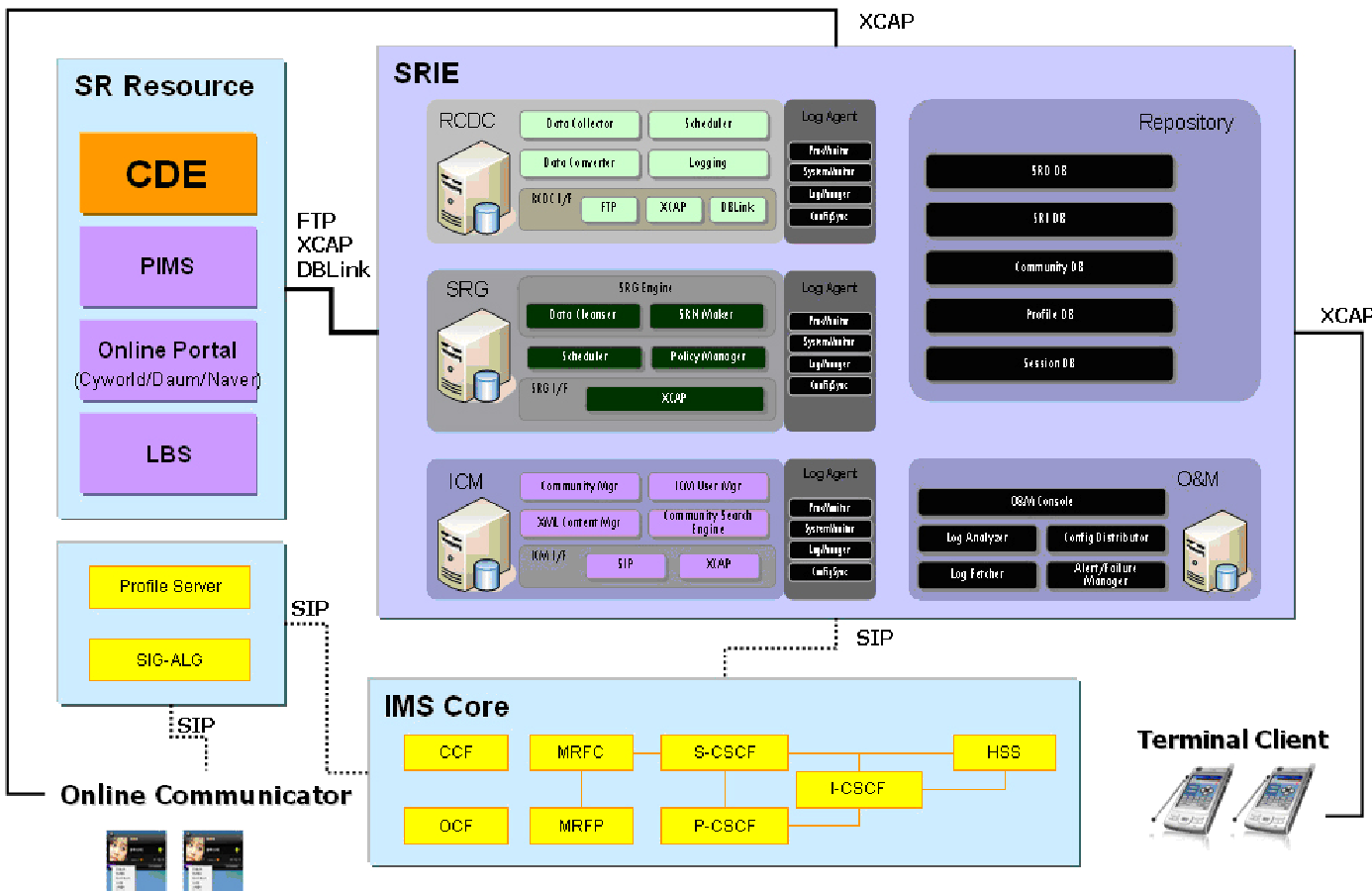 Fig 1: The three-part SRIE system structure comprising RCDC, SRG, and ICM.
3. ICM (Intelligent Community Manager)
The ICM manages the communities. It uses IMS standards—specifically XDMS (XML Document Management Server) and XCAP protocol—to store and query group information. This allows the carrier to reuse existing telecom infrastructure to power social features.
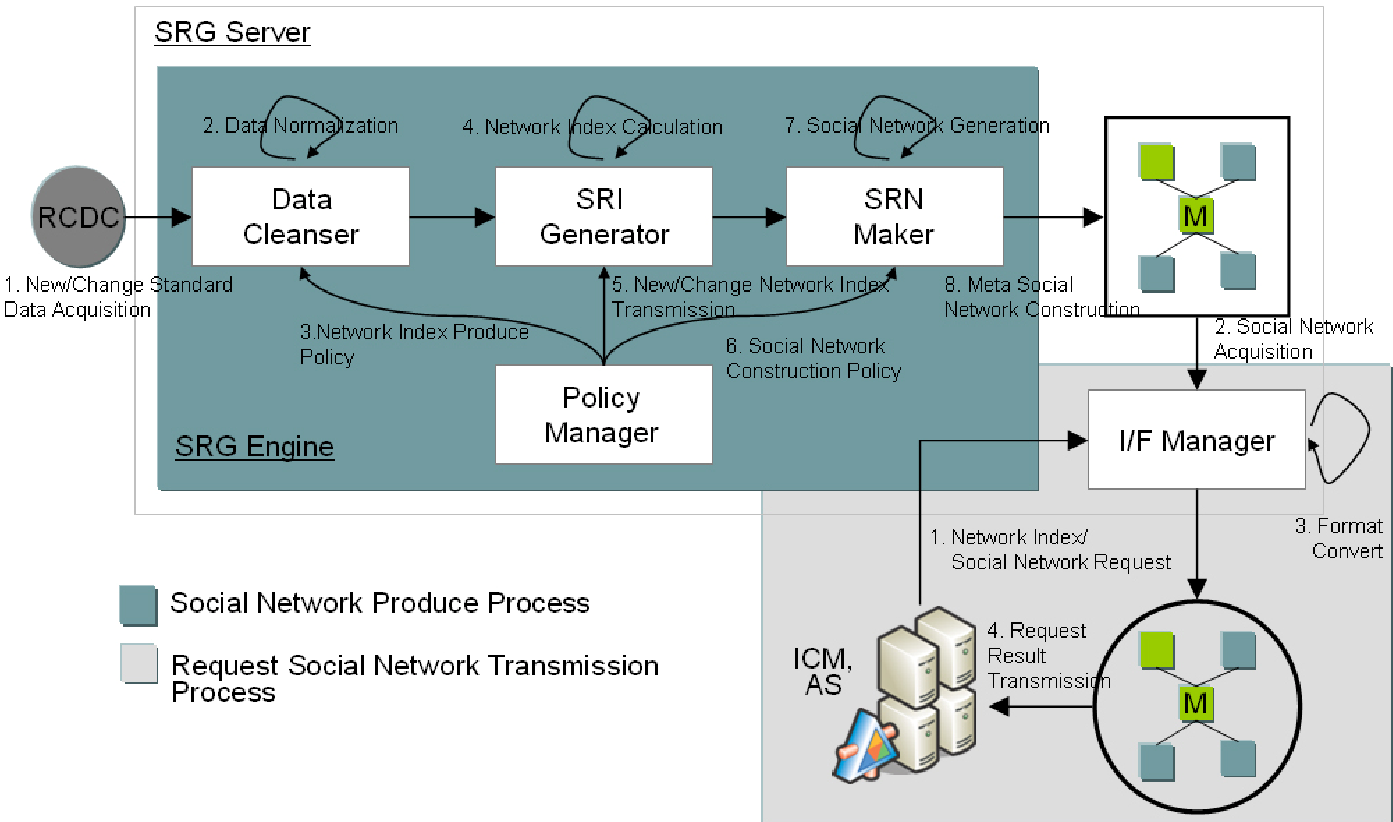 Fig 2: The Social Relation Generator (SRG) process for weight-based network indexing.
The Case Study: V-Community
The authors illustrate the power of SRIE through the "V-Community" concept.
- The Scenario: A bowling club president sends a broadcast SMS about a Friday game.
- The Automation: SRIE recognizes this repeated broadcast pattern and suggests the formation of a "Bowling Community."
- The Communication: Because it is integrated with IMS, members can immediately engage in multilateral video chats or view "Presence" information (knowing if a friend is currently "available" for a call) directly from the community view.
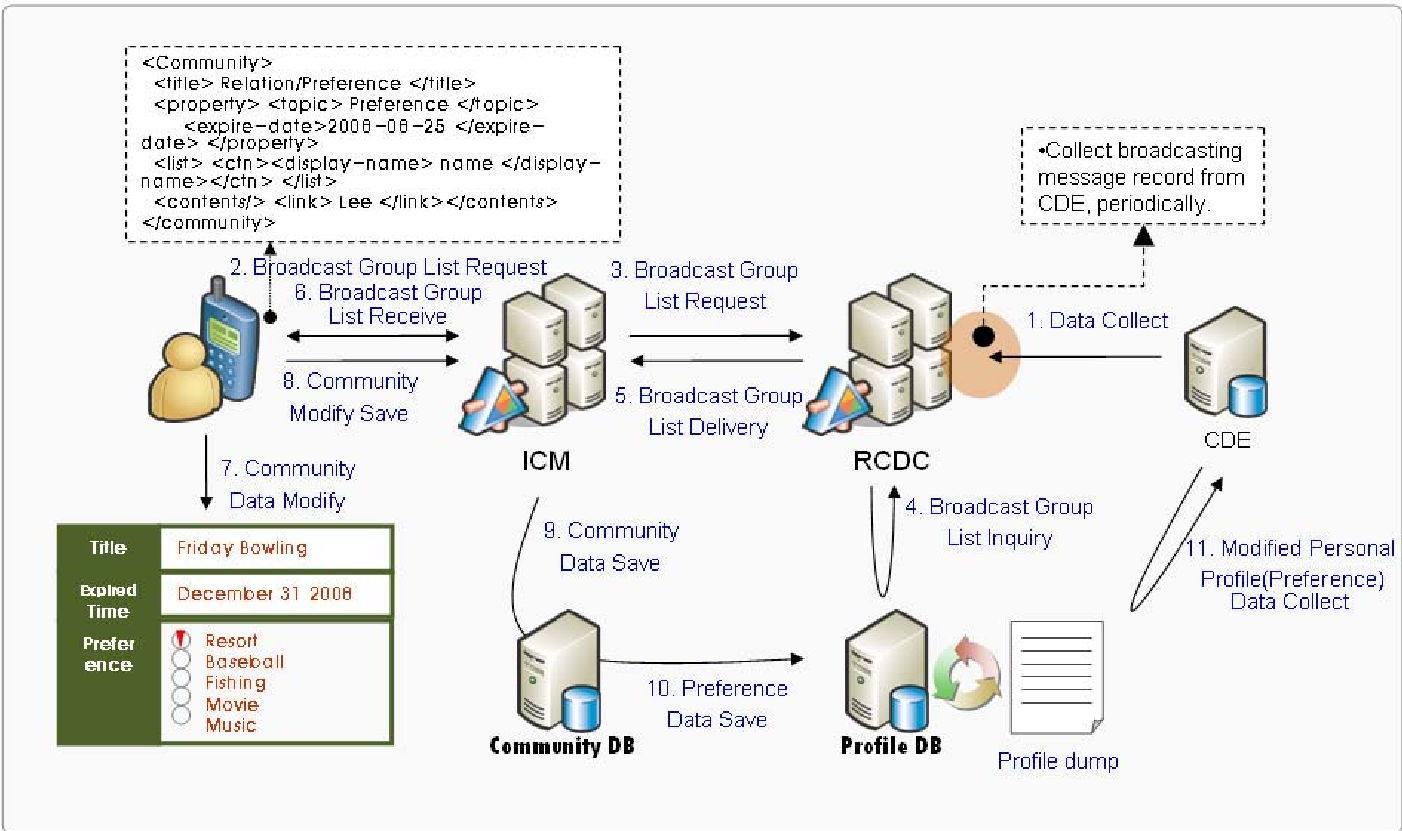 Fig 3: The lifecycle of a V-Community from broadcast message to social interaction.
Critical Insight: The "Carrier Advantage"
The paper concludes that mobile carriers have two unfair advantages over web portals:
- Data Fidelity: Address books and call logs are high-signal sources of true social proximity.
- Infrastructure Integration: By using IMS and Presence services, carriers can offer communication tools (high-quality video, direct voice) that were, at the time, more reliable than web-based alternatives.
Conclusion & Future Outlook
While this work was rooted in the transition from 3G to enhanced IP networks, the principles remain highly relevant. Today's "Contact Suggestions" on smartphones are the direct descendants of the Social Relation Indexes proposed here.
Limitations: The paper primarily focuses on the technical architecture and doesn't dive deeply into the privacy implications of carriers mining call records for social graphs—a topic that would become a central debate in the years following this publication.
Final Takeaway: SRIE proves that the most powerful social graphs aren't always built by users—they are often already hidden in the metadata of our daily communications.