
Virtual Worlds vs. Twitter: How Digital Backchannels Transform Academic Discourse
The use of built-in digital backchannels in professional communication within academic conferences in virtual worlds: A comparison with the use of Twitter in real life conferences
This study investigates the efficacy of built-in digital backchannels in 3D Virtual World (VW) academic conferences compared to Twitter usage in physical conferences. By analyzing logs from a Second Life conference, the research classifies user intentions and demonstrates how integrated chat tools foster a "participatory conference culture" and knowledge expansion.
TL;DR
Is the "whispering in the back of the classroom" actually the key to a better conference? This research reveals that built-in chat systems in 3D Virtual Worlds (VW) like Second Life are far more effective at fostering deep academic engagement than Twitter. While Twitter users often act as "reporters" for an outside audience, VW participants use integrated tools to provide real-time feedback, share resources, and build a "participatory culture" where 63% of the chatter adds direct value to the session.
The "Single Focus" Problem
Traditional conferences have a structural bottleneck: one person speaks, and hundreds listen in silence. The authors argue that this traditional format limits interaction and feedback. While external platforms like Twitter have emerged as "digital backchannels," they often create a disconnect—participants "tweet out" to the world rather than "talking in" to the community present.
The core insight of this paper is that immersion changes the nature of the conversation. In a Virtual World, your avatar is physically "there," which fundamentally shifts the social codes of technical communication.
Methodology: Decoding the Virtual Scroll
The researchers analyzed an international virtual conference held in Second Life, capturing a massive corpus of 43,291 words across 2,291 posts. Using Grounded Theory and text analysis tools, they categorized user intentions.
The Two Worlds of Interaction
The study split the data into two distinct environments:
- Professional Sessions: Presentations and roundtables focused on knowledge transfer.
- The Awards Ceremony: A high-energy "firework" of social recognition (8.8 posts per minute) characterized by virtual-specific emotes and snapshots.
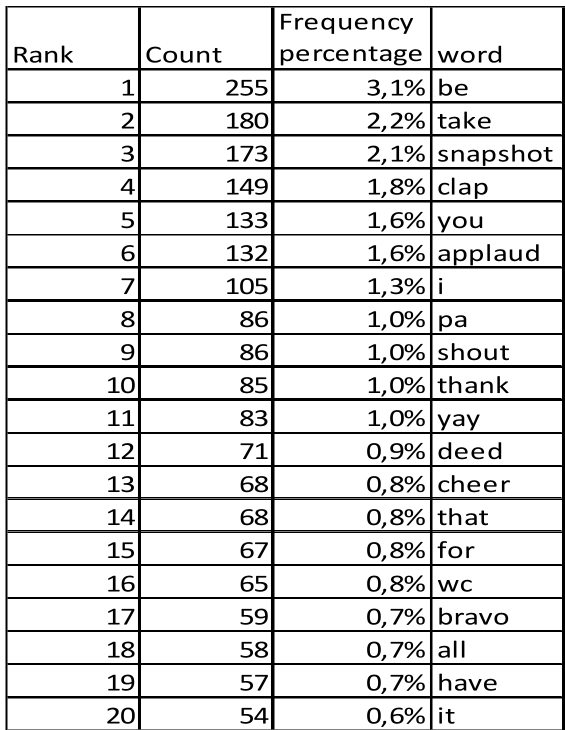 Table 1: 45% of the most frequent words in the awards ceremony were related to celebration (clap, cheer, bravo).
Methodology & Results
By categorizing the professional sessions, the authors found eight types of user intentions. Unlike Twitter usage in conferences—where "jotting down notes" accounts for 43% of posts—the VW backchannel was dominated by direct comments on the presentation (29.5%) and conversations (37.7%).
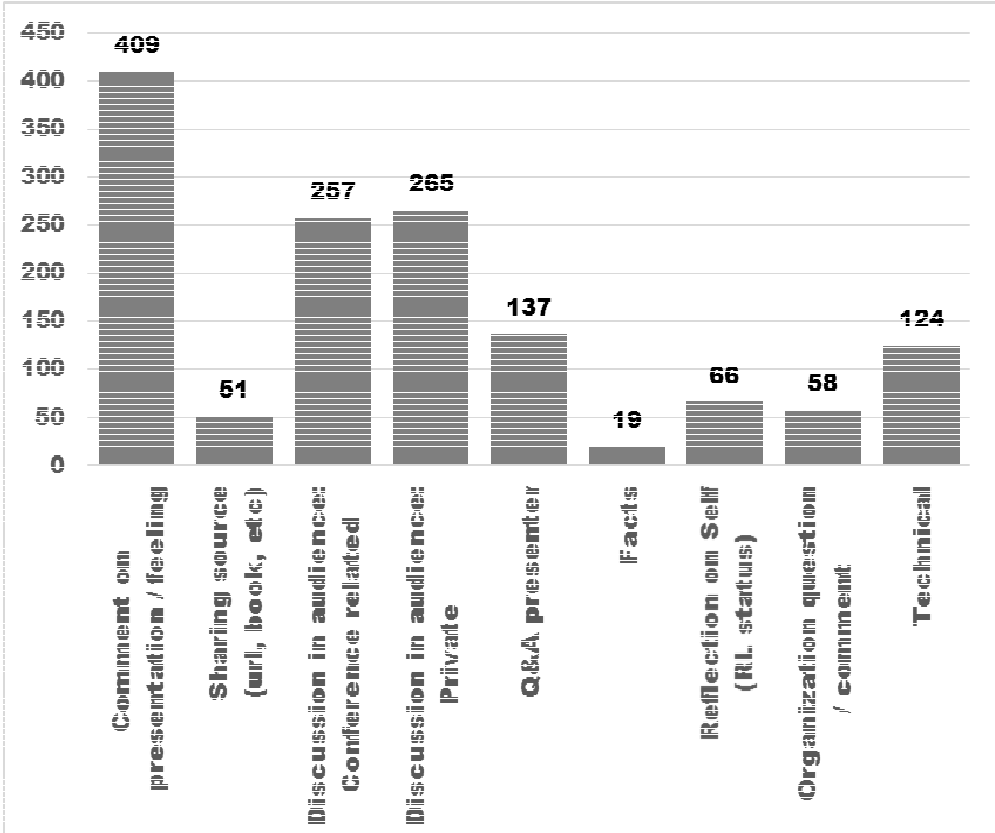 Figure 1: High variability in engagement levels across different session types.
The "Value-Added" Framework
The researchers went a step further by classifying comments as "Adding Value" or "Babble."
- Value Added (63%): Presentation feedback, sharing URLs, Q&A, and factual contributions.
- Useful Non-Value (37%): Technical troubleshooting and organizational questions.
- Babble: Purely private social talk.
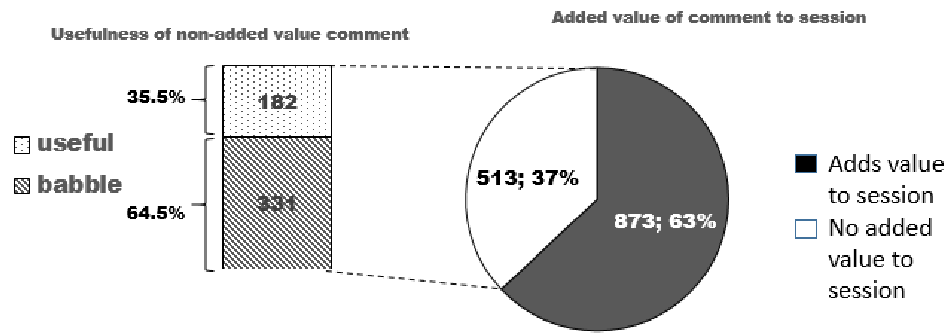 Figure 4: A significant majority of the backchannel activity serves the academic goals of the conference.
Why Virtual Worlds Win the Backchannel Battle
The comparison with Twitter (based on Ross et al.) reveals a striking contrast:
- Internal vs. External: Twitter is a "broadcast" medium; the VW backchannel is a "collaborative" medium.
- Presence: In VW, avatars are visible. Users don't need to "announce" their presence via post (as they do on Twitter), allowing the chat to stay focused on the content.
- Feedback Loops: Presenters in VW get immediate, constructive reactions, making the event feel like a dialogue rather than a monologue.
Critical Insight & Future Outlook
The takeaway is clear: Context matters. If the goal of a conference backchannel is to enhance the experience for the people at the conference, built-in, immersive tools are vastly superior to general-purpose social media.
Limitations: The study notes a potential bias since it compares two different conferences. However, the qualitative depth suggests that the "participatory culture" found in Virtual Worlds is a unique byproduct of spatial immersion.
Future Work: As VR technology (Oculus, etc.) becomes mainstream, the "technical learning curve" that hindered Second Life is vanishing. The next step is integrating these internal backchannels into hybrid "Real Life + Virtual" events to bridge the gap between physical presence and digital collaboration.
Summary: This paper provides a robust academic foundation for why the "Metaverse" (or Virtual Worlds) offers a more intellectually stimulating conference environment than traditional layouts supplemented by fragmented social media.