
Mining the Intellectual DNA: How Association Rules Decode Student Quality and Career Success
Research on The Influence of Campus Culture on the Quality Education of College Students in the Internet Era
The paper presents a student quality evaluation system that integrates Analytic Hierarchy Process (AHP) and data mining techniques. It specifically utilizes the Apriori algorithm for association rule mining to identify hidden correlations between campus culture, students' comprehensive qualities, and employment outcomes.
TL;DR
In the era of Big Data, evaluating a college student involves more than just GPA. This paper introduces a robust evaluation framework that combines Analytic Hierarchy Process (AHP) with the Apriori Association Rule algorithm. By analyzing data from 232 students, the study reveals how campus culture and comprehensive qualities directly correlate with employment outcomes, achieving a statistical confidence of up to 100% in certain predictive rules.
The Blind Spots in Modern Education
Traditional education management often treats "campus culture" as a nebulous concept and "student quality" as a mere collection of grades. The core pain point is the lack of a scientific mechanism to connect these qualitative aspects to tangible outcomes like employability. Without a data-driven bridge, educators cannot pinpoint which specific traits — be they moral, professional, or psychological — are the actual drivers of success in the job market.
Methodology: Bridging Qualitative Values with Quantitative Algorithms
The author proposes a sophisticated System Structure Model composed of two primary engines:
1. The Weighting Engine (AHP)
To avoid the bias of subjective evaluation, the Analytic Hierarchy Process (AHP) is used to calculate weight coefficients. This ensures that ideological, moral, professional, and development factors are balanced according to their empirical importance.
2. The Discovery Engine (Improved Apriori)
The "heart" of the system is the data mining layer. The researcher utilizes an improved Apriori algorithm to discover hidden patterns. Unlike standard statistical tools, association rule mining answers questions like: "If a student possesses high professional quality (Factor A) and high physical quality (Factor B), what is the probability (Confidence) they will secure a specific employment tier (Factor C)?"
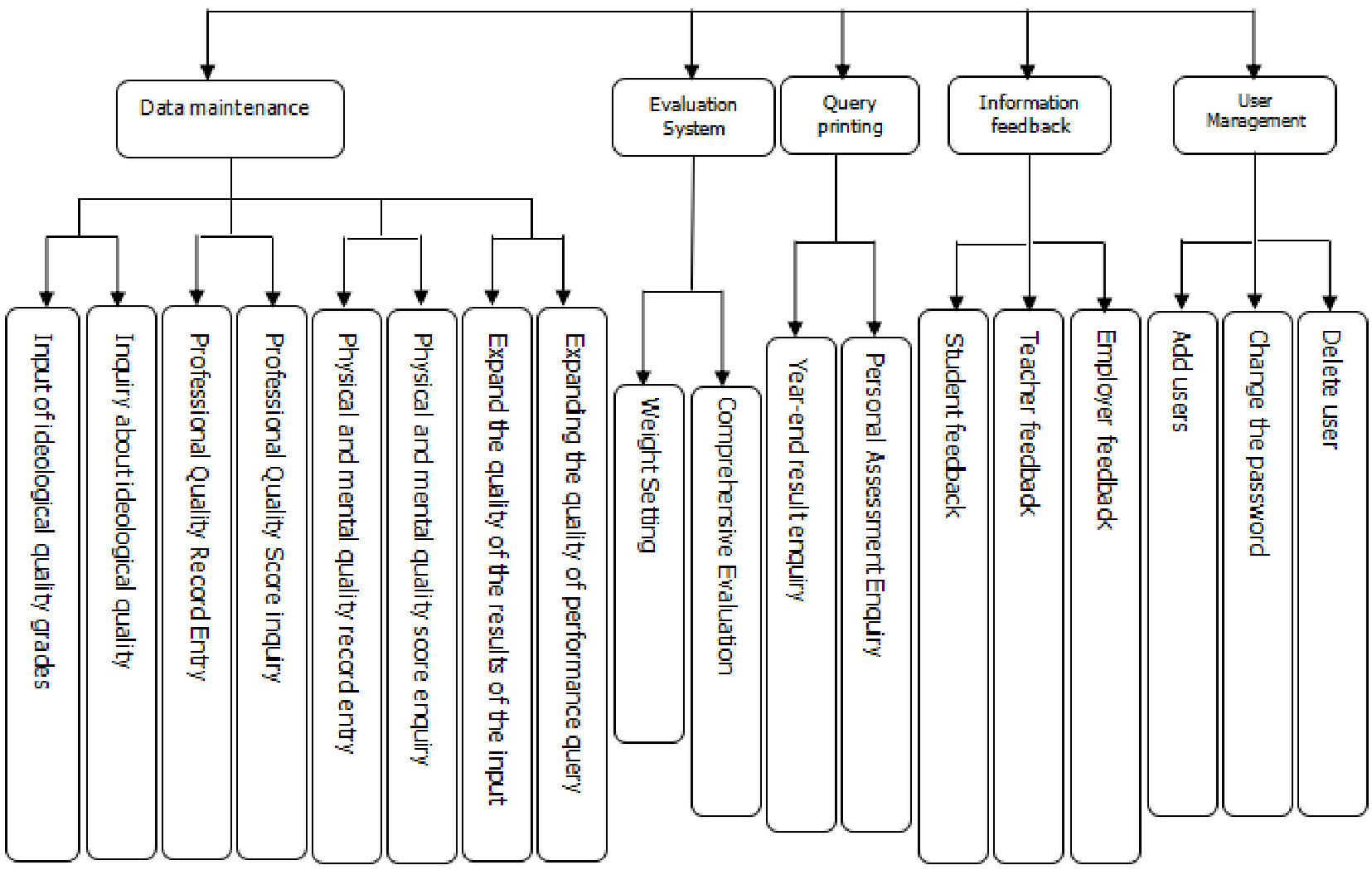 Fig 1. The architectural flow from raw data to comprehensive quality assessment.
Key Insights from the Data
The study processed data through a rigorous pipeline: Object Determination -> Data Preparation -> Algorithm Selection -> Result Expression.
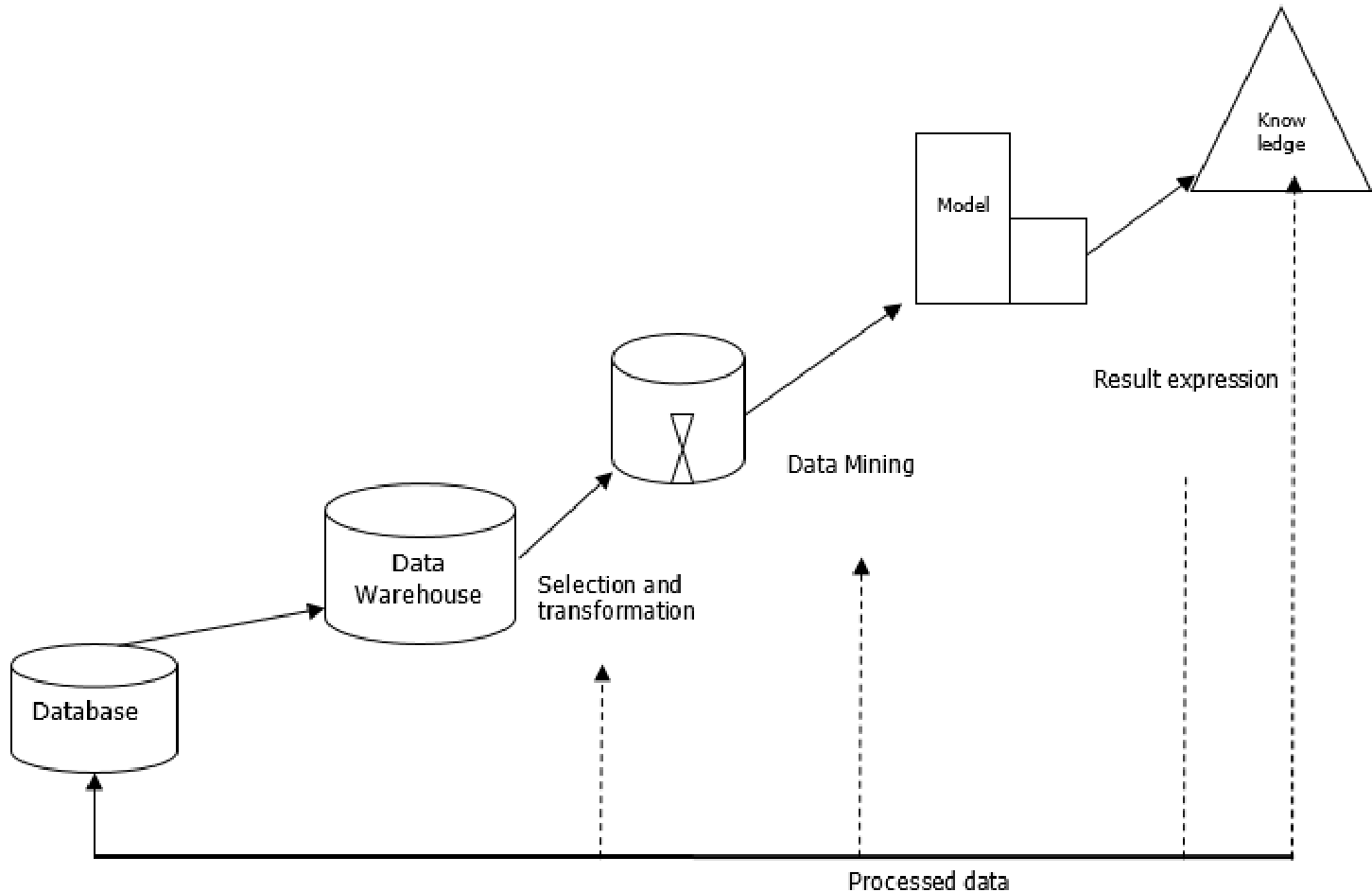 Fig 2. The four-stage data mining process utilized in the study.
Visualizing Success Paths
The factor analysis yielded a resident KMO value of 0.901, indicating excellent sampling adequacy. One of the most striking findings was the "Transfer Path of Campus Culture Index," which illustrates how cultural cognition influences a student's sense of belonging, which in turn acts as a catalyst for overall quality development.
The Power of Rules
The experimental results listed in the association rule table (below) show that certain combinations of qualities lead to predictable outcomes. For instance, the rule {4, 5} → 1 showed a 100% Confidence, suggesting that the intersection of "Physical/Psychological Quality" and "Development Quality" is an absolute predictor for specific employment statuses in the test group.
 Table 1. Association rules generated, showing Confidence and Support levels for various quality factors.
Strategic Takeaway
This research shifts the paradigm of campus management from "intuitive" to "computational." By mastering the association between internal campus culture and external employment success, universities can:
- Identify "at-risk" students who lack the specific combination of qualities required by modern employers.
- Optimize curriculum based on high-confidence association rules.
- Quantify the ROI of cultural and extracurricular investments.
While the current study focuses on a specific cohort of 232 students, the methodology provides a scalable blueprint for applying Educational Data Mining (EDM) across larger institutions to meet evolving social demands.