
In the Candlelight: Turning Fire into an Emotional Pervasive Display
10007_In the candle light pervasive display concept for emotional communication.
The paper introduces a pervasive display concept for emotional communication that uses a physical candle and flame as a discrete peripheral display. The core method involves a motorized candle stand and digitally controlled colored flames to convey social presence and emotions in 1-to-1 or many-to-1 scenarios.
TL;DR
Researchers from the University of Lapland have explored a poetic approach to digital communication by using a motorized candle stand and colored flames as a peripheral awareness display. This study moves away from pixel-dense screens toward "Ambient Intelligence," using the flickering of a flame to signal the presence or emotions of a distant loved one.
Contextual Positioning
Within the spectrum of Human-Computer Interaction (HCI), this work falls under Calm Technology and Pervasive Displays. Instead of competing for the user's focal attention, it utilizes the peripheral vision and the cultural symbolism of the candle to create a sense of "connected presence."
The Problem: The Intrusiveness of Modern Notifications
Most modern communication tools are designed to be "loud." They beep, vibrate, and flash, demanding immediate attention. However, in intimate or relaxing settings—such as a quiet evening at home—these methods are jarring.
The authors identified a gap: how can we maintain a sense of connection with remote family or friends without breaking the "flow" of a peaceful environment? Previous works in ambient displays have used light or movement, but few have harnessed the primal, evocative nature of a living flame.
Methodology: The Motorized Candle Prototype
The core of the project is a hardware prototype consisting of a motorized stand that can move a physical candle up and down (representing different states or intensity of connection) and a concept for color-changing flames.
1. Hardware Architecture
The prototype utilizes a linear actuator mechanism to control the candle's height. This physical movement provides a slow, analog feedback loop that is significantly different from a digital progress bar.
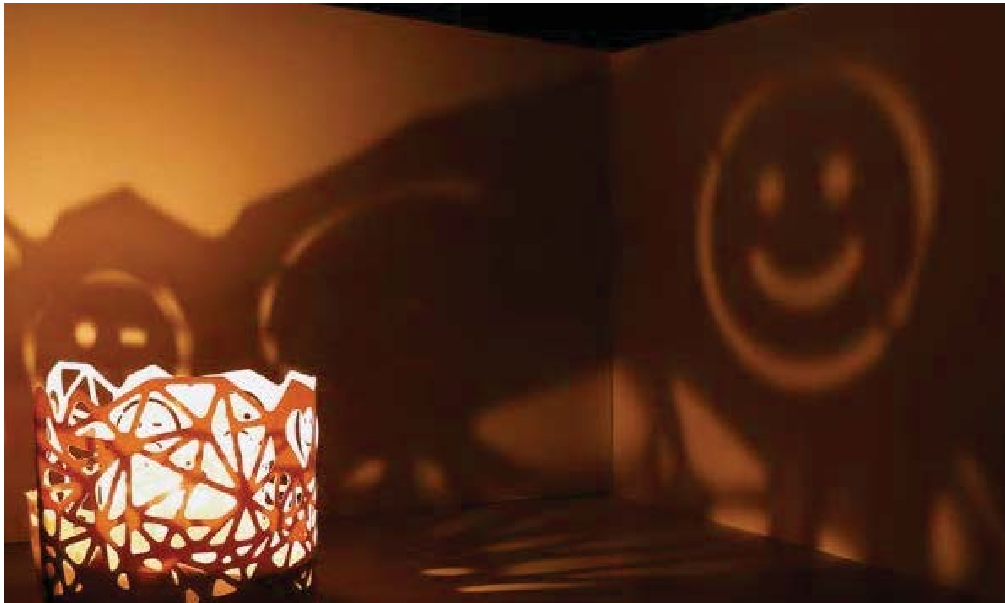 Figure 1: The motorized candle stand prototype, showing the internal drive mechanism.
2. Interaction Concepts
- 1-to-1 Communication: A specific flame color (e.g., green for "thinking of you") is used between two partners.
- Many-to-1 Communication: Multiple colored flames or heights representing different social groups or the "warmth" of a social circle.
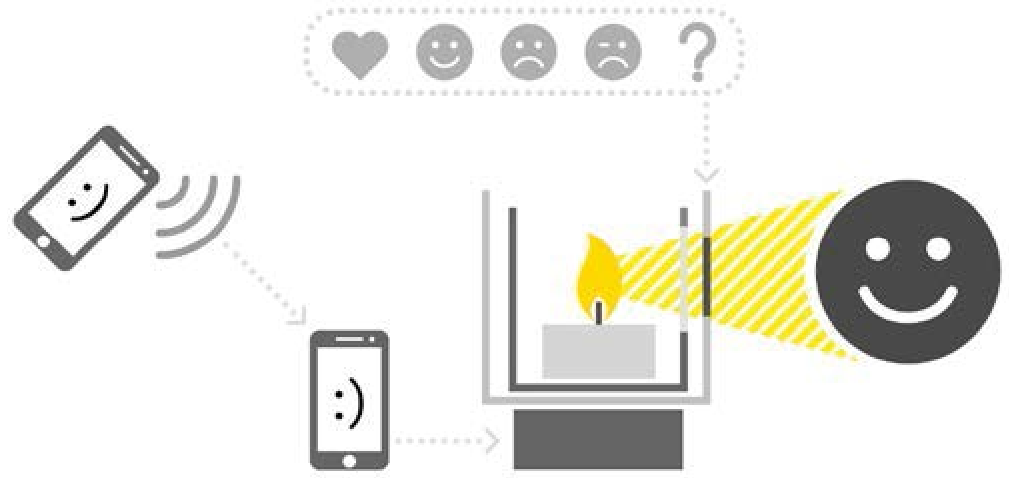 Figure 2: The conceptual framework where a physical object serves as a bridge between two remote locations.
Experiments & User Insights
The researchers conducted focus groups to evaluate the emotional resonance of the device. They used a semantic differential scale to capture user perceptions.
Key Findings:
- Aesthetic Priority: Users highly valued the "visual pleasantness" and "novelty" of the device.
- Movement Matters: Rapid movements were viewed as stressful or "technical," whereas slow, barely perceptible changes were seen as "empowering" and "restful."
- The "Technical" Trap: Some participants expressed concern that if the device looked too mechanical, it would lose its emotional magic. This points to a need for "Invisible Design."
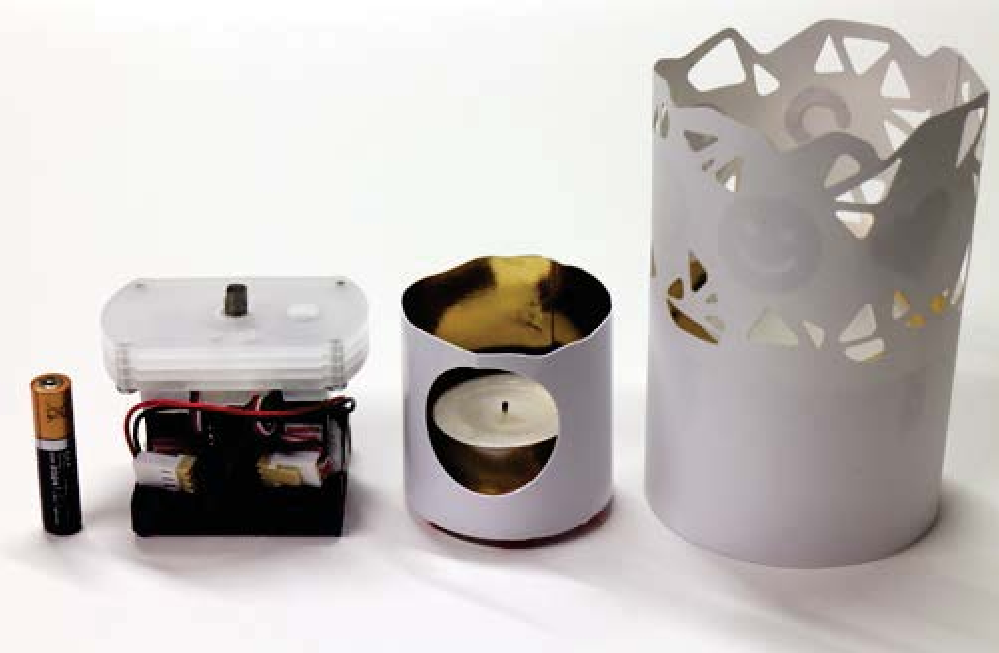 Figure 4: The prototype in a focus group setting designed to simulate a home environment.
Critical Analysis & Conclusion
Takeaway: The candle concept succeeds because it maps digital data onto a physical medium that already carries a heavy emotional load (warmth, memory, peace). It transforms "data" into "presence."
Limitations:
- Safety and Maintenance: Real candles require fire safety precautions and eventually burn out, making long-term digital synchronization a challenge.
- Complexity: The chemical salts required to change a physical flame's color are difficult to implement in a consumer-grade electronic device.
Future Outlook: This research paves the way for a future where our smart homes interact with us through natural, tactile, and artistic objects rather than just voice assistants and sleek glass panels. The "Candlelight" project reminds us that in the age of AI and high-speed data, sometimes the most effective communication is a slow, steady flicker.