
Capture the Flag: Redefining Social Gaming through Mixed-Reality and Ubiquitous Computing
7933_Capture the Flag Mixed-Reality Social Gaming with Smart Phones.
The paper presents "Capture the Flag" (CTF), a pioneer mixed-reality social game that bridges real-world physical movement with virtual strategic play. Utilizing smart phones, GPS, and Bluetooth-enabled tangible objects, it creates a collaborative environment between "Knights" (field players) and "Guides" (online strategists) on a massive 800,000 sqm campus scale.
TL;DR
Long before Pokémon GO took the world by storm, researchers were exploring how to turn entire university campuses into massive, digitally-augmented playgrounds. This paper introduces a Mixed-Reality Capture the Flag (CTF) game that leverages smart phones, GPS, and tangible Bluetooth objects to synchronize high-stakes physical action with virtual strategy. By splitting players into field-based "Knights" and office-based "Guides," the system creates a unique social loop where information is the most valuable currency.
Background: Breaking the "Desktop Inertia"
For decades, gaming has been synonymous with "staying put." Even with the rise of networked gaming, the "mental feeling of physical presence" remained elusive. The authors identify a critical gap: existing physical games like Dance Dance Revolution restrict players to a single spot, while early AR projects like ARQuake required heavy, immobilizing wearable computers.
The motivation behind CTF is to liberate the user. The goal is to create a game that is truly mobile (requiring only a smartphone), tangible (interacting with physical objects), and socially deep (requiring collaboration between the virtual and physical realms).
Methodology: The Architecture of Hybrid Reality
The system architecture of CTF is a masterpiece of early pervasive computing. It relies on three main pillars:
- The Mobile Toolkit: A smartphone (Symbian OS) paired with a Bluetooth GPS receiver.
- Tangible Objects: The "Flag" is a physical wooden box containing a Linux-based Bluetooth device and touch sensors.
- Active Game Server (AGS): The central nervous system that manages communication between mobile "Knights" and PC-based "Guides."
The Gameplay Loop: Knights vs. Guides
The game isn't just about running; it’s about information asymmetry.
- Knights move through the 800,000 sqm campus. They can see their immediate surroundings and basic icons on their phones, but they are "blind" to hidden virtual traps.
- Guides watch a 3D virtual map. They see the "God view"—where the enemies are, where traps are hidden, and where magic potions lie.
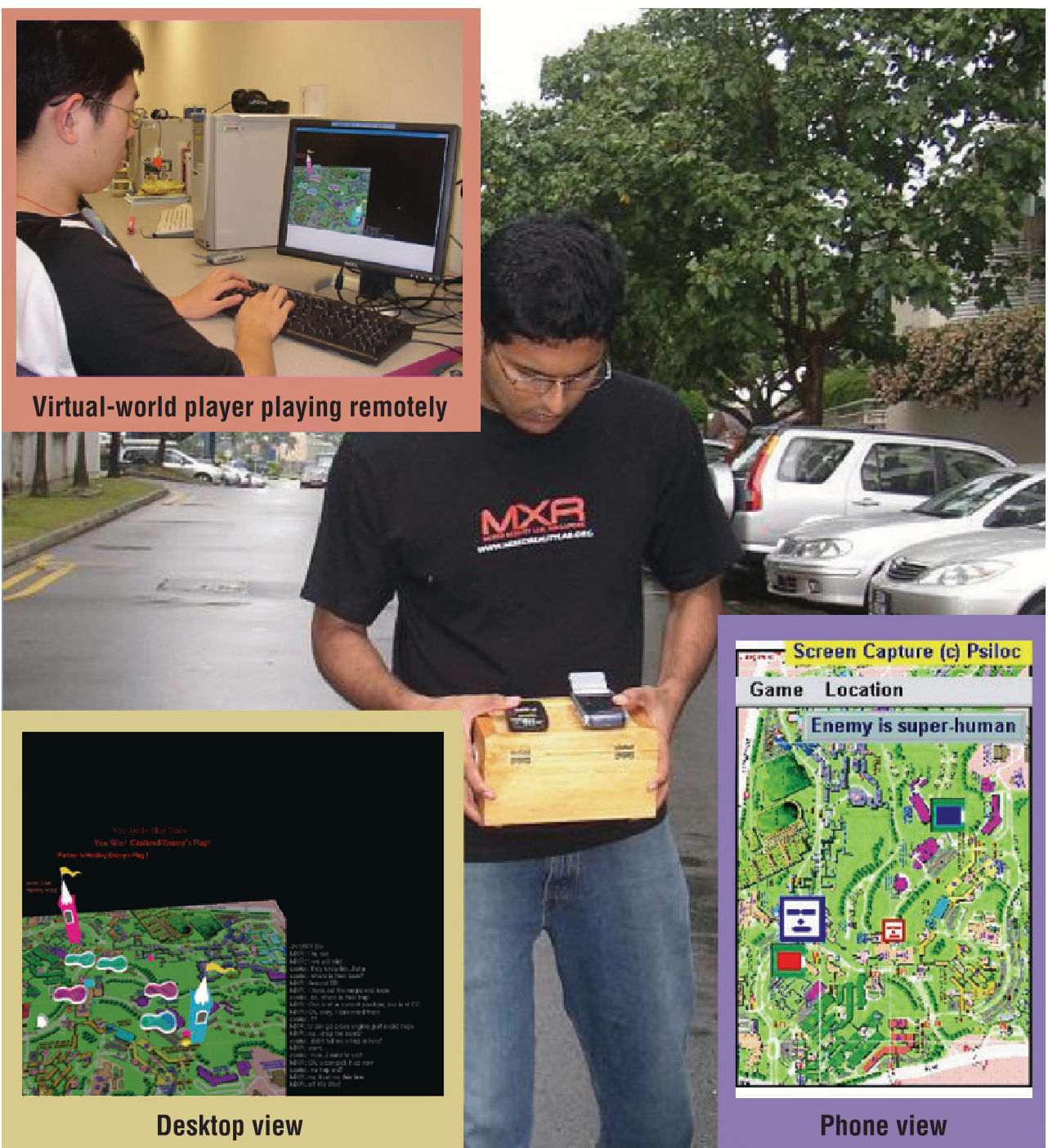
Figure 1: The collaborative ecosystem where physical and virtual players meet.
Experiments & Results: Does It Actually Work?
The researchers conducted eight trials at the National University of Singapore. The results highlight a fascinatng shift in player psychology.
The Power of Communication
One of the most striking findings was the 31% increase in users' perception of shared communication importance after playing (Figure 6). Players realized that without the Guide's "eyes in the sky," the physical Knights were walking into virtual traps constantly.
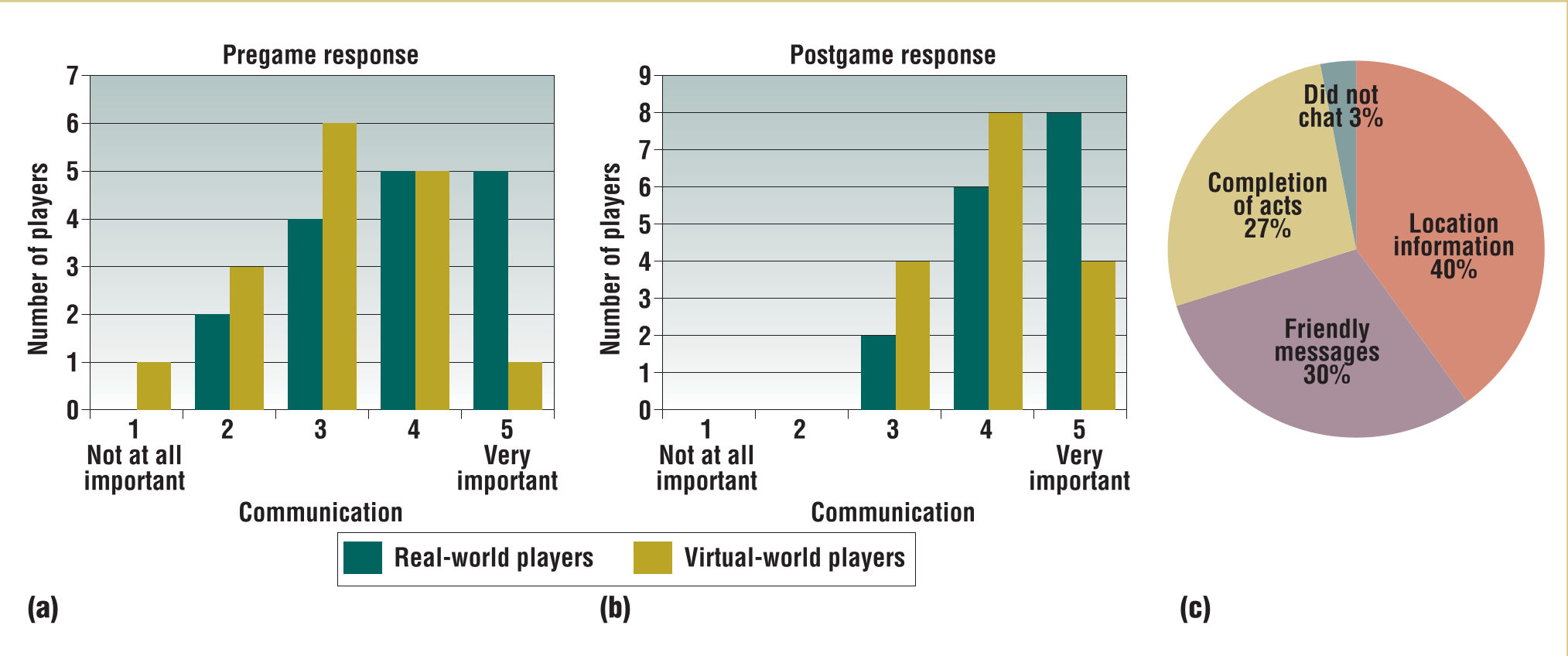 Figure 2: Statistical evidence showing how gameplay forces players to value social collaboration.
Physicality and Intensity
Knights reported that the game was physically exhausting but exhilarating. The "Bomb" mechanic—where a captured flag turns into a virtual explosive—forces players to drop the physical box and sprint 15 meters away, successfully injecting real-world athleticism into a digital framework.
Critical Insight: The Value of Tangibility
Unlike modern AR games that often rely on "tapping" a screen, CTF utilized a physical flag box. 81% of players felt that interacting with a real object to trigger a virtual state change significantly enhanced the experience. This "tangible interaction" provides a level of sensory gratification that purely digital interfaces cannot match.
Challenges and Future Outlook
While the system was robust, it faced "tech of its time" limitations:
- GPRS Latency: Lag in the cellular network could occasionally disrupt the real-time experience.
- GPS Accuracy: Inaccuracies (20-50m) and signal loss inside buildings created "trust issues" between Knights and Guides.
- Hardware Bulk: Carrying a separate GPS puck and a wooden box was cumbersome.
Conclusion
This CTF implementation was a harbinger of the "Age of Pervasive Play." It proved that by treating the real world as the playground and the smartphone as a portal, we can create social experiences that are both physically demanding and strategically complex. It moved gaming from the sofa to the streets, setting the stage for the location-aware digital culture we live in today.
Takeaway: The future of digital entertainment isn't just in better pixels; it's in the seamless integration of our physical movements and social bonds into the virtual narrative.