
Car Social Network: Transforming License Plates into Digital Identities
Car Social Network: Contact a Driver Through the License Plate
The paper introduces "Car Social Network," a cloud-based communication platform that enables multimedia interaction between individuals using car license plates as unique identifiers. By integrating Automatic License Plate Recognition (ALPR) with a Unified Communications architecture, it facilitates real-time driver alerts and social connectivity via SMS, email, or VoIP.
TL;DR
The "Car Social Network" is an innovative service that allows anyone to contact a vehicle owner simply by knowing their license plate number. By combining Automatic License Plate Recognition (ALPR), Cloud-based Unified Communications, and Neural Text-to-Speech, the system creates a secure bridge for road safety, traffic management, and urban noise reduction without compromising driver privacy.
Background & Motivation: The Communication Gap on the Road
Urban mobility is often plagued by "silent" conflicts: a car blocking a driveway, an unnoticed hazard like aquaplaning, or an underpass flooding. Currently, there is no standardized way to reach the person behind the wheel unless you are physically adjacent to them.
The authors identify a critical gap in Smart Road Environments (SRE). While Intelligent Transport Systems (ITS) focus on infrastructure and autonomous navigation, they often overlook the "human element"—the social connectivity between drivers. The motivation here is to turn the vehicle's most visible identifier, the license plate, into a communication gateway.
Methodology: The Architecture of Connectivity
The system's backbone is a distributed cloud platform designed for scalability and privacy. It doesn't just "detect" a plate; it creates a mapping between the physical world and a digital social graph.
1. The Tech Stack
- Backend: A Node.js API Gateway managing requests.
- Database: MongoDB (NoSQL) for high-speed retrieval of user-car associations.
- Communication Engine: Asterisk, an open-source PBX, manages VoIP sessions, while Amazon Polly provides high-quality neural voices for TTS alerts.
2. The ALPR Integration
The paper reviews several SOTA (State Of The Art) algorithms for plate recognition, highlighting methods like OKM-CNN (Optimal K-Means + CNN) and YOLO-based detectors which achieve accuracies between 93% and 99.6%. The "Car Social Network" utilizes these to allow users to either manually enter a plate or simply snap a photo.
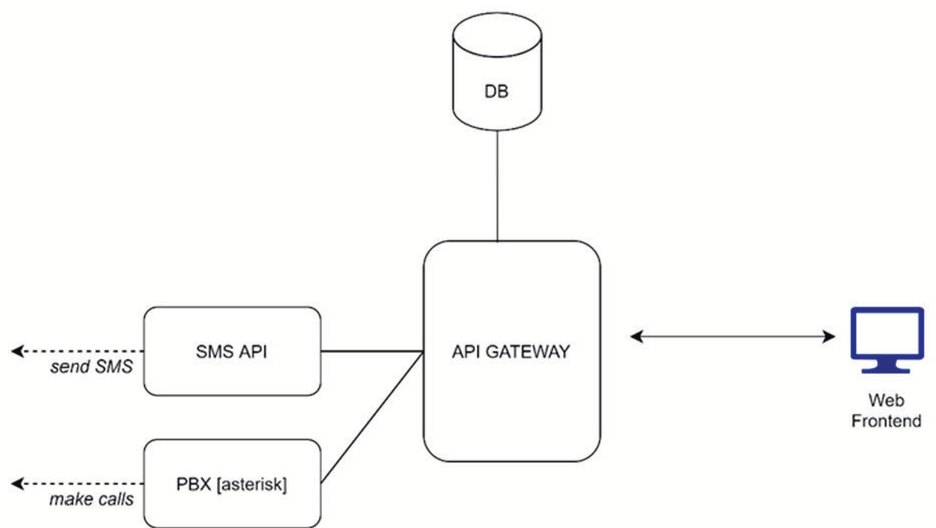 Figure 1: The technical architecture of the Car Connect platform, showing the flow from the API Gateway to the communication engine.
Implementation: How it Works
The workflow follows a logical sequence:
- Registration: Users register their plate and contact preferences (SMS, Email, or Voice).
- Identification: A bystander or another driver enters the license plate in the app.
- Communication: If a match is found, the system acts as a proxy. The sender selects a pre-configured message (e.g., "Your car is blocking the exit"), and the system delivers it via the recipient's preferred channel.
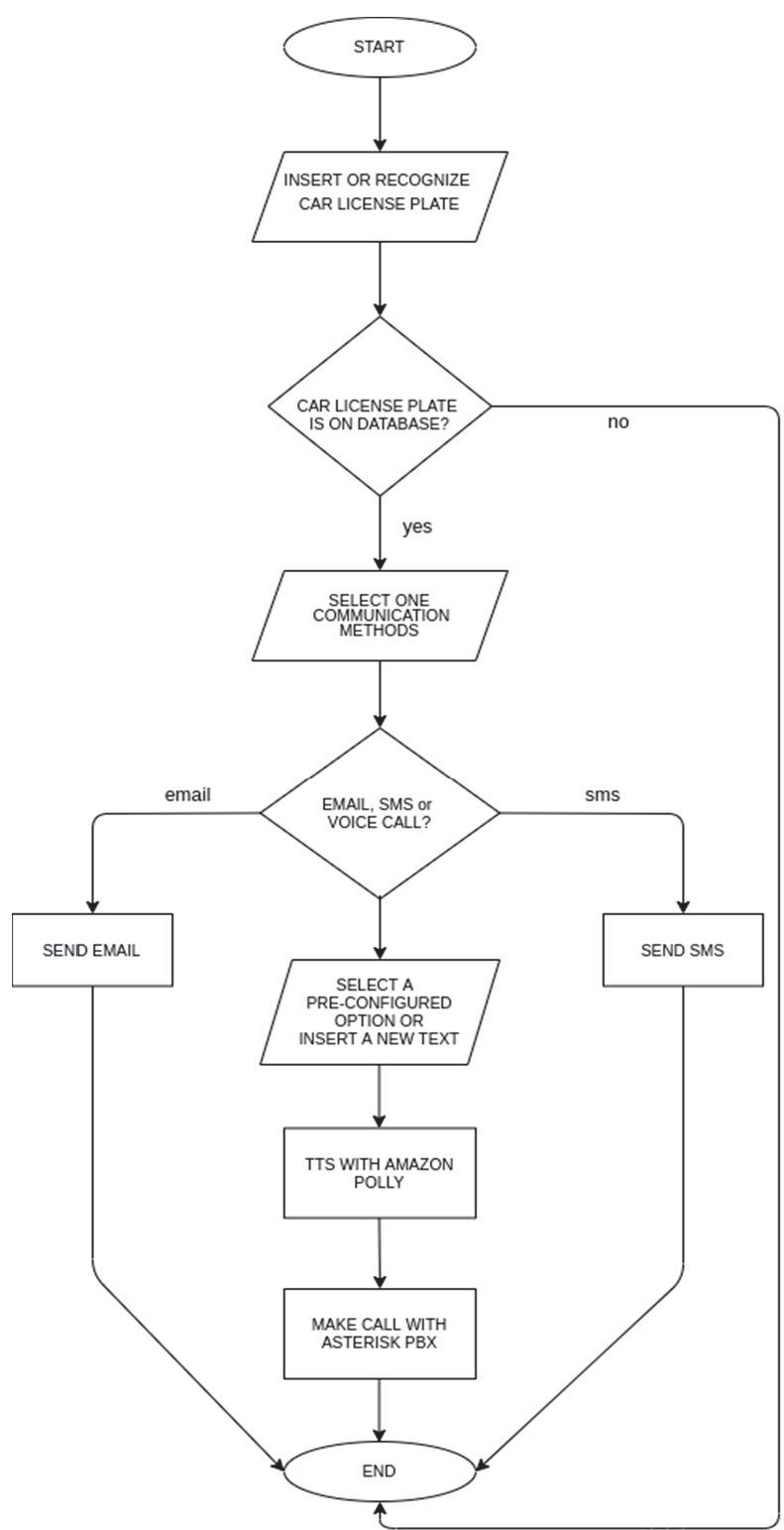 Figure 2: The functional logic flow of the Car Social Network application.
Ensuring Privacy
A crucial aspect of this paper is the Privacy-by-Design approach. The requester never sees the owner’s phone number or email. The platform handles the communication in the background, ensuring that "social" doesn't mean "publicly exposed."
Experimental Insight: From Safety to Recreation
While prior works focused purely on the detection of plates for law enforcement, this study emphasizes the utility of the data. By using neural TTS engines, the system can provide "Targeted Alerts." For instance, a smart road sensor detecting black ice could trigger the platform to call all registered drivers currently in that specific geofenced area.
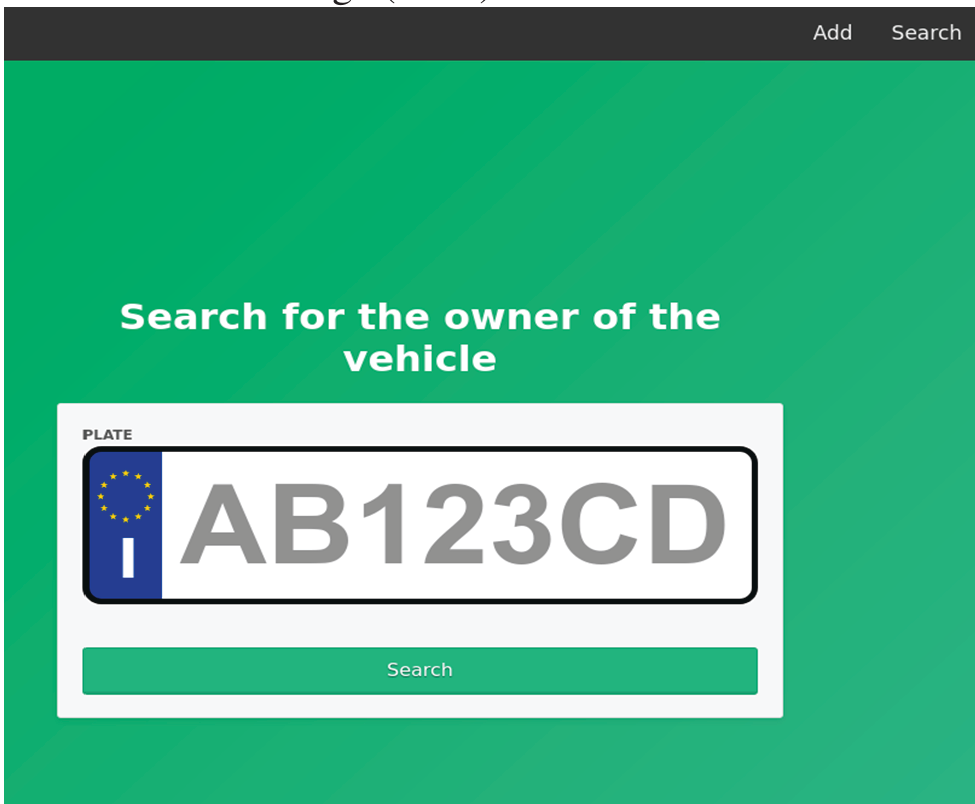 Figure 3: Current implementation of the search and identification interface.
Critical Analysis & Conclusion
Takeaway
The paper successfully demonstrates that the "Smart City" of the future isn't just about autonomous sensors; it's about connecting the humans within the system. Using license plates as a Universal ID for communication is a clever use of existing identifiers.
Limitations
- Network Effect: The system’s utility is entirely dependent on the "critical mass" of registered users. Without widespread adoption, a searched plate will frequent "No Results."
- Abuse Potential: While the paper mentions pre-configured messages, preventing "spam" or "road rage" messages via unauthorized text remains a challenge for future iterations.
Future Outlook
Integration with V2X (Vehicle-to-Everything) protocols could allow this service to be embedded directly into car dashboards, making the "Car Social Network" a native feature of the modern driving experience.