
Leveraging Social Network Topology for Smarter Career Guidance
EHWZHHQ WKH YHUWLFHV RU QRGHV LQ WKH QHWZRUN 7KHVH LQWHUDFWLRQV DUH FRXOG EH FDUHHU JXLGDQFH FRPPRQ LQWHUHVW FDUHHU RSSRUWXQLWLHV WKH VSDUN RI H[FKDQJH RI LQWHUDFWLRQ EHFRPHV EHOLHI DQG NQRZOHGJH 7KH LQWHUDFWLRQ EHFRPHV FRPSOH[ LQ WKH SURFHVV RI WLPH VHULHV 7R DQDO\]H WKH VRFLDO QHWZRUN WKDW UHVXOWHG IURP WKHVH LQWHUDFWLRQV LV PRGHOHG DV D JUDSK VWUXFWXUH LW FRQVLVWV RI QRGHV DQG HGJHV 9DULRXV GDWD PLQLQJ WHFKQLTXHV WR H[WUDFW XVHIXO LQIRUPDWLRQ IURP YDVW GDWD DQG VXSSRUW WR GHFLGH YDULRXV DVSHFWV ,W LV D GLUH QHHG RI D PDFKLQHOHDUQLQJ DOJRULWKP WR DVVLVW WKH NQRZOHGJH RI GDWD PLQLQJ ZH SURSRVHG FDUHHU JXLGDQFH OLQN DQDO\VLV LQ WKH RQOLQH VRFLDO QHWZRUN ,Q WKLV +RZ VWXGHQWV WR VHOHFW WKH LQVWLWXWLRQV EDVHG RQ WKH ORFDWLRQ IRU WKHLU FDUULHU 7KH SURSRVHG VWXG\ LV WR HYDOXDWH DQG DQDO\]H ORFDWLRQEDVHG SDUDPHWHUV VXFK DV GLVWDQFH FHQWUDOLW\ YDOXHV EHWZHHQ WKH QRGHV DQG UHVLGXDO IDFWRUV RI WKH SDUDPHWHUV ,Q WKLV SDSHU ZH FROOHFW WKH VWXGHQWV GDWD DQG DSSO\ .0HDQV DOJRULWKPV XVLQJ 5 SURJUDPPLQJ IRU SUHGLFWLQJ WKH WLHV EHWZHHQ WKH QRGHV DQG VLPLODULW\ EHWZHHQ WKH XVHUV WR PDNH WKH VWURQJ FRKHVLRQ JURXS 7KH FROOHFWHG GDWD LV FDWHJRUL]HG XVLQJ 1DwYH %D\HV FODVVLILFDWLRQ DQG WKH FDWHJRUL]HG YDOXHV DUH YDOLGDWHG RI VWXGHQWV KDG EHHQ DFFHSWHG WKH FDUHHU JXLGDQFH OHYHO EHKDYLRUDO WUDLWV DQG RUJDQL]DWLRQDO WUDLWV \LHOGHG &DUHHU JXLGDQFH WLHV DUH GLIIXVHG WR RI +LJKHU HGXFDWLRQ VWXGHQWV WR FKRRVH WKH FKRLFH RI LQVWLWXWLRQV 7KH H[SHULPHQWDO VWXG\ RI WKH KLJKHU HGXFDWLRQ GDWD UHVXOWV \LHOGHG DFFXUDF\ HVWDEOLVK WR SURSDJDWH WKH LQIOXHQFH RI OLQNV WR VWXGHQWV IRU WKH FDUHHU JXLGDQFH SDWK
This paper introduces a location-based career guidance framework that leverages Social Network Analysis (SNA) and machine learning to assist higher education students. By applying K-Means clustering and Naive Bayes classification to social metrics, the system predicts optimal educational institute selections, achieving a maximum prediction accuracy of 76.43%.
TL;DR
Choosing the right educational institution is a pivotal yet complex decision for students. This research moves beyond static brochures by using Social Network Analysis (SNA) and Naive Bayes to analyze social traits and local influences. By mining data from online social networks, the authors developed a location-based guidance system that predicts the best-fit colleges with up to 76.43% accuracy.
Problem & Motivation: The Noise in the Network
While social media is a goldmine of interaction data, its raw form is chaotic. Existing recommendation systems often ignore the "locality" factor—the geographical and social context that dictates a student's realistic options. The challenge lies in:
- Structural Complexity: Overlapping social circles make it hard to identify distinct influential nodes.
- Data Sparsity: Disjointed links in social graphs often lead to incomplete portraits of student behavior.
- The "Why" vs "What": Prior works focused on what users did, but not why their environment (locality) influenced those choices.
Methodology: The Weighted Prediction Framework
The authors propose a structured workflow that transforms raw social nodes into actionable insights through a two-stage process:
1. Structural Partitioning (Clustering)
Using the K-Means algorithm, the system groups nodes based on "Association Locality." This categorizes students into environments like Hill, Cosmopolitan, Urban, Rural, and Suburban. This clustering provides the structural backbone for understanding regional educational trends.
2. Bayesian Influence Modeling
Once clusters are formed, the Naive Bayes classification engine evaluates the "Influence Links." It weighs two main categories of features:
- Social Traits: Adaptability, Determination, and Creativeness.
- Institutional Features: Public vs. Private status and the "Educational Ambiance" (e.g., Rural vs. Urban campus).
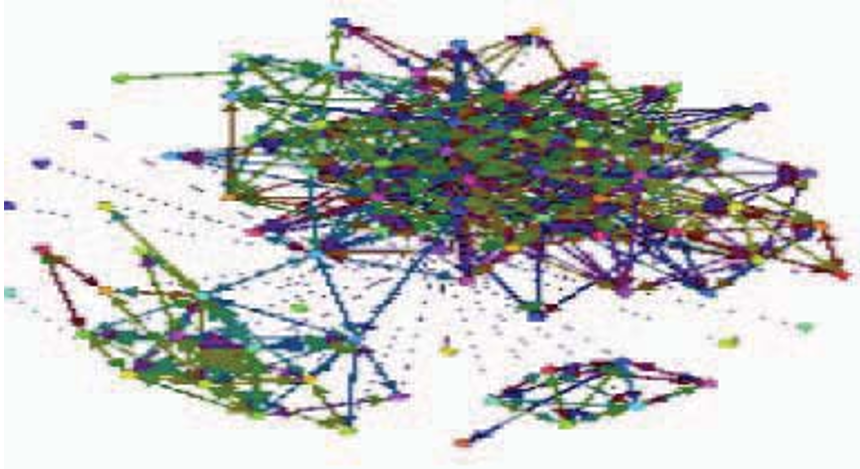 Figure 1: Visualizing the relationship and influence propagation between nodes in educational communities.
Experiments & Results: Locality Matters
The research tested the algorithm against real-world student data, focusing on how accurately it could predict the "Link" between a student and their chosen institution.
Key Findings:
- Sub-Urban Lead: The system performed exceptionally well in suburban contexts, reaching 76.43% accuracy.
- High Acceptance: 82.5% of students involved in the study found the career guidance ties and recommendations to be highly relevant.
- Behavioral Impact: Social and behavioral traits (Adaptability/Creativeness) were shown to influence 85.2% of the decisions made within the social network.
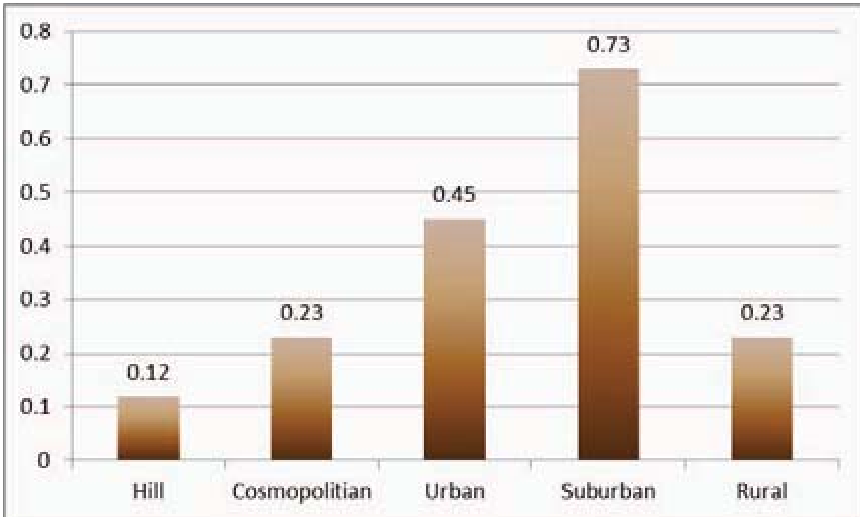 Figure 2: RMSE (Root Mean Square Error) values for weighted data, demonstrating the stability of the predictive model across different variables.
Critical Analysis & Conclusion
Takeaway
The core contribution of this work is the validation of Locality-based SNA. By treating geographical context as a primary feature rather than a secondary attribute, the model captures the "Inductive Bias" inherent in educational choices—students are naturally influenced by the institutions and peers physically or socially closest to them.
Limitations & Future Work
While the accuracy is promising, the study acknowledges that Dynamic Semantics (how social relationships change over time) remains a challenge. Future iterations could integrate Temporal Analysis to see how institutional "prominence" fluctuates and incorporate Centrality Metrics to identify "Super-Influencer" peers who guide larger groups of students toward specific career paths.
In conclusion, this research provides a robust blueprint for moving career guidance into the era of Big Data and Social Intelligence.