
The Global Engineering Gender Gap: Why Some Nations Succeed While Others Stagnate
The changing position of women in engineering worldwide
"The Changing Position of Women in Engineering Worldwide" presents a comprehensive global survey of 130 engineering institutions across 55 countries, tracking the representation of women from 1960 to 1997. It identifies key geographical clusters with high female participation (Eastern Europe and Scandinavia) and correlates these with political ideology and public involvement.
TL;DR
This seminal research by Marion Hersh analyzes the historical trajectory of women in engineering across 55 countries from 1960 to 1997. It reveals a startling reality: while some nations achieved nearly 33% female representation through ideological shifts and public policy, others remain trapped in a cycle of "tokenism" with less than 2% representation. The paper argues that the problem isn't just about recruitment—it’s about the cultural "image" of engineering itself.
Problem & Motivation: The Invisible Barriers
For decades, the engineering world has faced a looming talent shortage due to an aging workforce and declining interest among young males. While women are the obvious solution to this shortfall, the "leaky pipeline" remains a major obstacle.
The author identifies several critical friction points:
- The Status Paradox: In countries where engineering is high-status (like the UK or Germany), it is often heavily gendered as "male," creating a cultural mismatch for women.
- Tokenism: When women make up less than 15% of a group, they are treated as symbols of their gender rather than individuals, leading to isolation and higher dropout rates.
- The Glass Ceiling: Despite having higher initial grades, women engineers face slower promotion rates and significant salary gaps (up to $13,000 annually in the US for senior roles).
Methodology: Deciphering the "National Culture"
Rather than looking at individual company policies, Hersh looks at the National Culture—the integrated package of political, social, and educational factors. The study categorizes success into two main "mechanisms":
- State-Mandated Convergence: Examples like Bulgaria and Turkey, where state ideology deliberately reconstructed the image of the "engineer" to be compatible with the image of a "modern woman."
- Public Life Involvement: The Scandinavian model (Norway, Denmark, Sweden), where high visibility of women in Parliament and professional life naturally lowered the barriers to entry in technical fields.
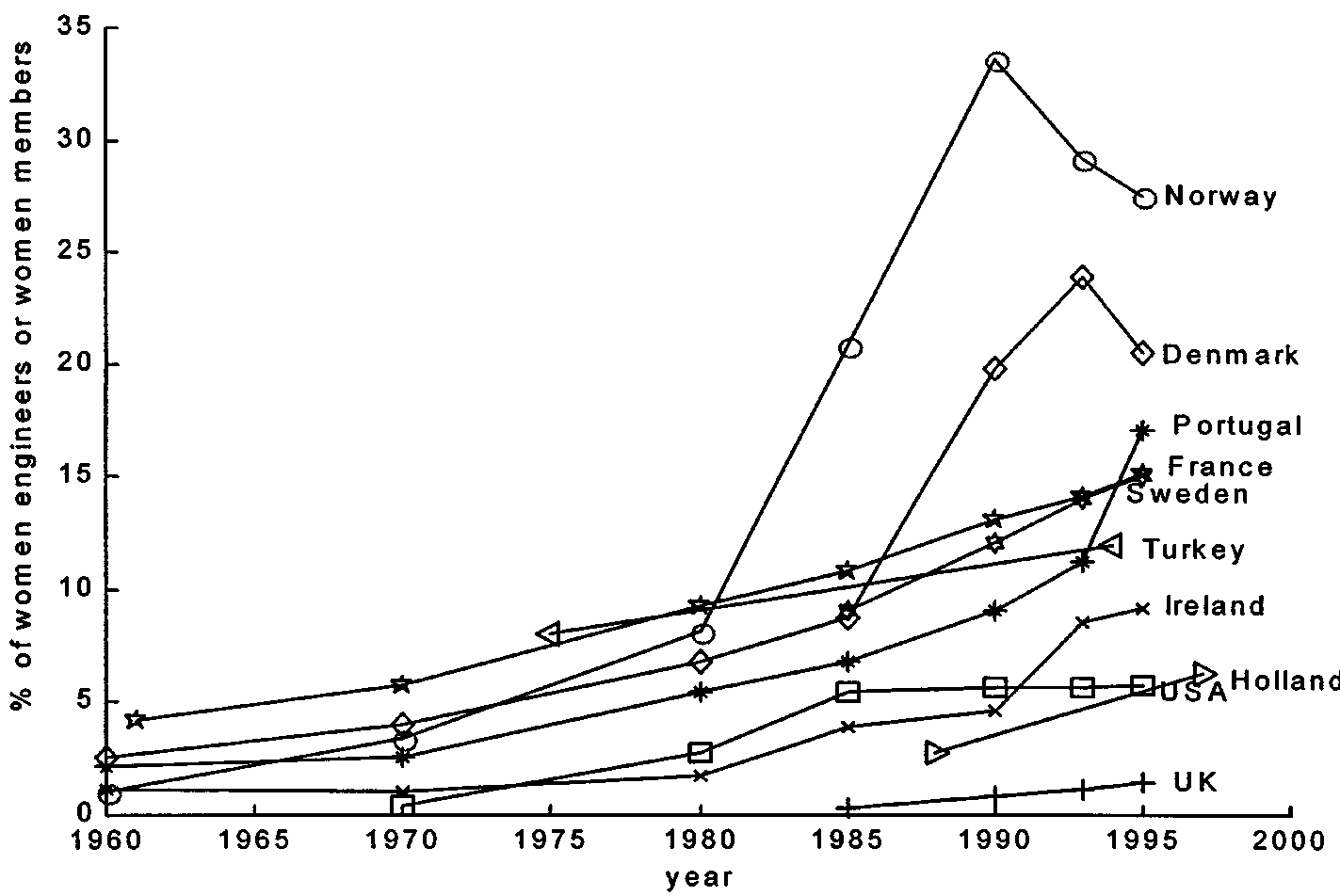 Fig 1: Longitudinal growth shows sharp upswings in Norway and Denmark compared to the flat lines of the UK and Switzerland.
Experimental Insights: The Eastern European "Natural Experiment"
Perhaps the most fascinating finding is the role of the former Communist Bloc. In these countries, the need for a massive technical workforce led to:
- Ideological Support: Engineering was viewed as a service to the state, making it a gender-neutral patriotic duty.
- Early Intervention: Many Eastern European countries had over 10% female engineering enrollment as early as 1960, a milestone the US and UK struggled to hit decades later.
However, a "Hidden Ceiling" remained. While women entered the profession in record numbers, they were often concentrated at the lower levels or in "feminized" branches with lower comparative pay.
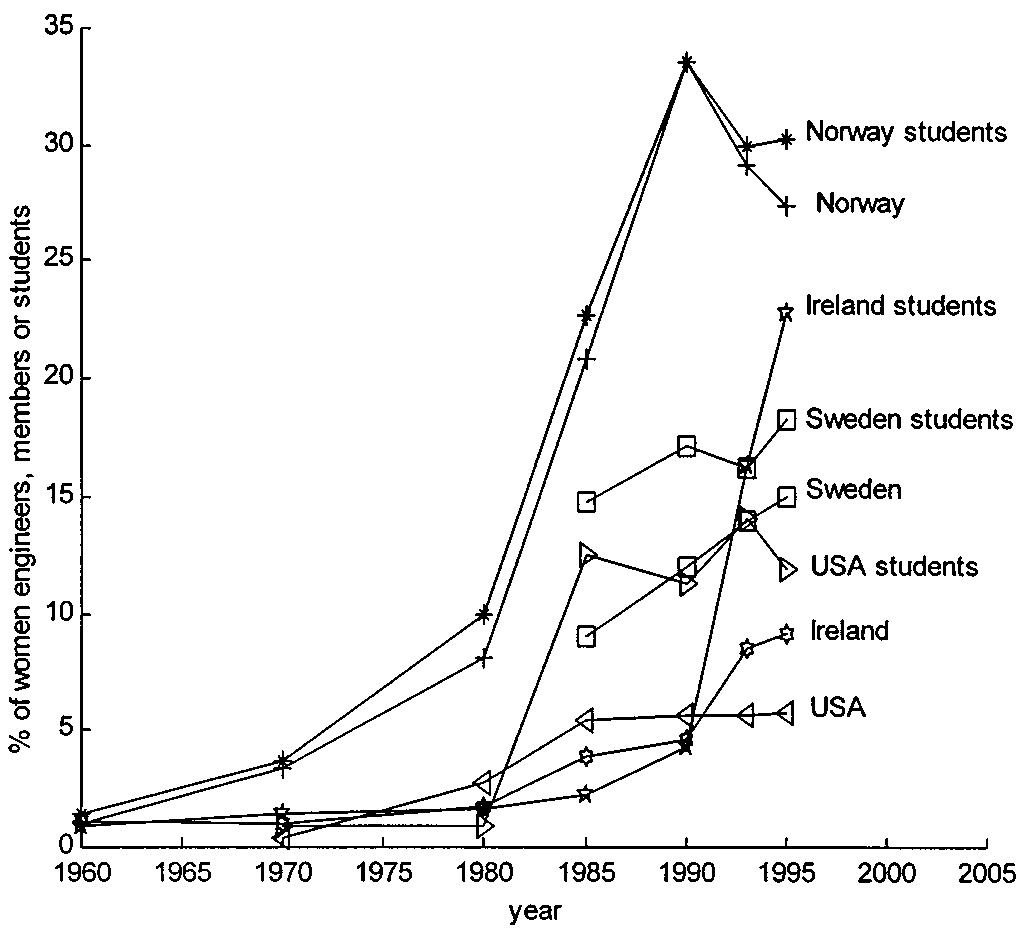 Fig 2: The data confirms that while student enrollment (top line) grows, the professional workforce (bottom line) often lags, suggesting a critical retention problem during the transition from university to industry.
Critical Analysis & Takeaways
The paper makes it clear: numerical visibility is not the same as structural equality.
- The 30% Rule: Until women reach a "critical mass" (30-40%), their presence is viewed as an anomaly. This forces women to "outperform" their peers just to be considered equal, a recipe for burnout.
- Image Reconstruction: To fix the gap, we must change the image of engineering from "dirty, heavy, manual work" to "socially responsible, computer-based problem solving."
- Retention over Recruitment: The industry focuses heavily on getting girls into STEM, but Hersh’s data shows we are failing to keep them there. Addressing workplace harassment and the "old-boy network" is more vital than ever.
Conclusion: The changing position of women in engineering is not a linear march toward progress. It is a reflection of a nation's soul—its political will, its child-care policies, and its ability to divorce "technical skill" from "masculine identity."