
Designing for Truth: Engineering Auditability into the Fabric of Social Networks
Checking Information Reliability in Social Networks Regarding User Behavior and Developers’ Effort to Avoid Misinformation
The paper proposes a conceptual framework and a "Developer Guide" aimed at increasing information auditability in Online Social Networks (OSNs). It introduces a catalog of 11 quality characteristics (e.g., Clarity, Uniformity, Verifiability) designed to help developers build interfaces that empower users to verify information and curb the spread of misinformation.
TL;DR
In an era of rampant hoaxes and "clickbaits," this paper argues that the spread of misinformation is often a design failure. By introducing a Catalog of Information Auditability, the authors provide developers with a systematic guide to building Social Network interfaces that prioritize transparency and verification over mindless sharing.
Background: The Invisible Architect of Misinformation
Most users believe that information on a social network is reliable by default. This "trust bias" is exploited by hoaxes—like the classic "Facebook copyright" post—because the platforms lack the necessary tools for users to perform a quick "audit" of the content. Current Online Social Networks (OSNs) are often built to maximize engagement, sometimes at the expense of clarity and security. The researchers position this work as a bridge between Human-Computer Interaction (HCI) and Software Engineering, treating "Auditability" not as a feature, but as a critical quality requirement.
The Problem: Design Patterns that Mislead
The authors identify several systemic pain points:
- Context Loss: Shared posts often lose their original timestamp or author, making old news appear current.
- Interface Ambiguity: Using the same icon for different functions (e.g., a "globe" representing both notifications and public visibility) exhausts the user's cognitive load.
- Lack of Traceability: Users cannot easily verify if a link is secure or if a profile is genuine without deep-diving into settings.
Methodology: The Auditability Catalog
To solve this, the researchers adapted the NFR Framework (Non-Functional Requirements) to create a specialized catalog for OSNs. The goal is to provide Audit Capacity—the ability for a system to be monitored and its content evaluated by the user in real-time.
Core Characteristics
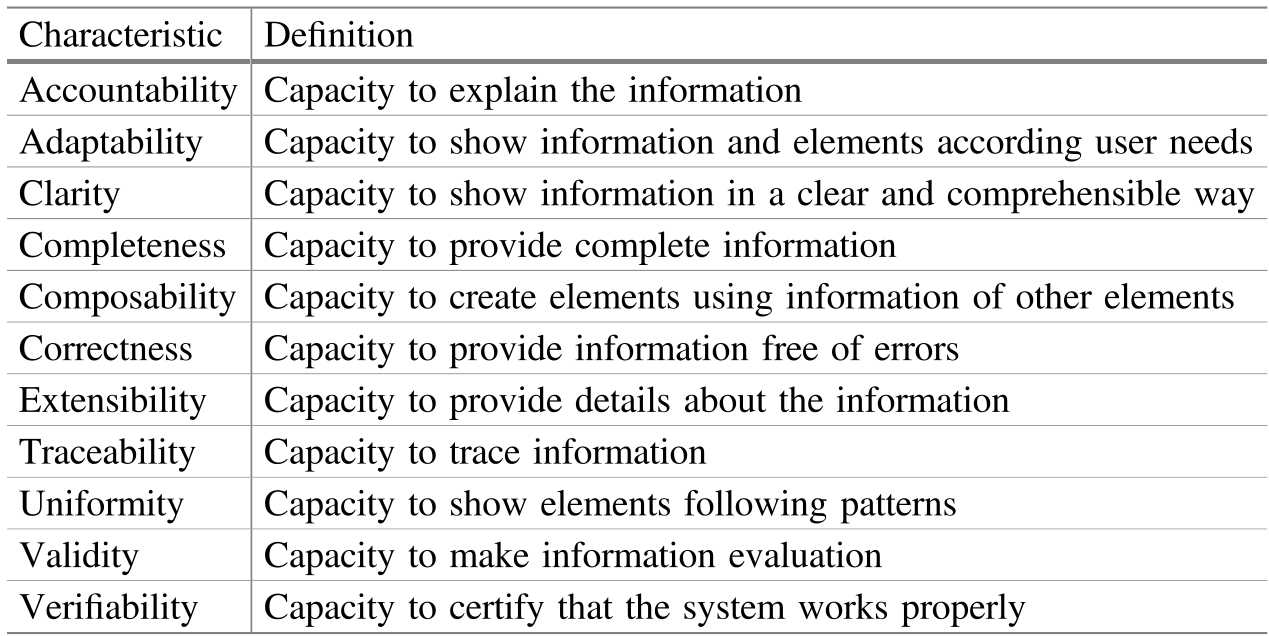
The paper defines 11 key characteristics. Three stand out as particularly vital for combating misinformation:
- Clarity: The ability to present information without requiring specialized training.
- Uniformity: Ensuring icons and textual links follow a consistent, non-ambiguous pattern.
- Verifiability: Providing visual cues (like verification badges or security icons) that allow users to judge legitimacy.
Operationalizing the Solution: The Developer Guide
The most practical contribution of the paper is the Developer Guide. It moves from abstract theory to "How-to" implementations.
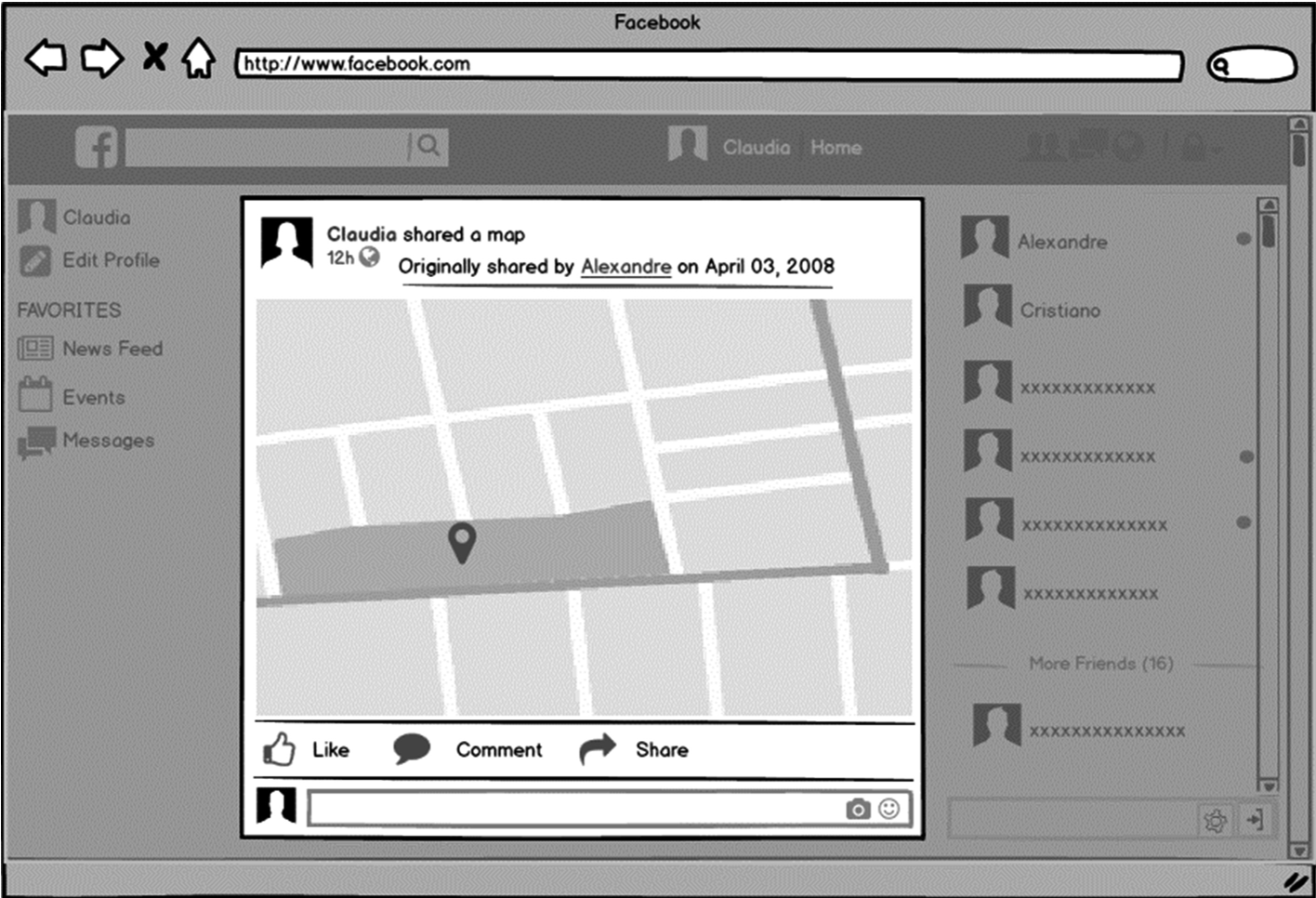
Example 1: Fixing "Old News" with Clarity
The Problem: Outdated posts are shared as if they are current, leading to out-of-context misinformation. The Fix: The guide suggests that systems must highlight the original post date and owner prominently, regardless of how many times it has been reshared.
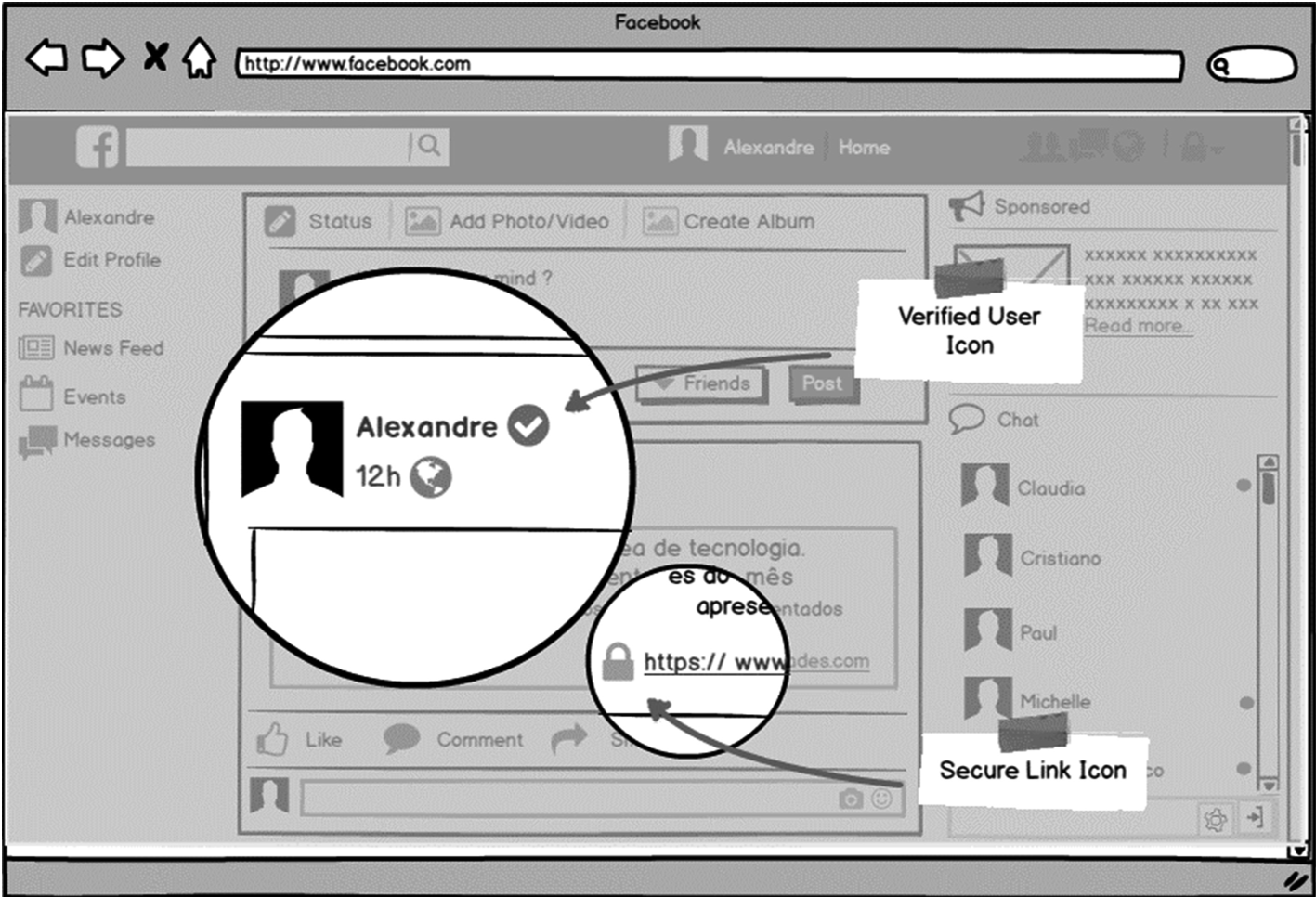
Example 2: Verifiability via Visual Cues
The Problem: Phishing links or fake bank URLs are spread via malicious profiles. The Fix: Implementing padlock symbols next to verified HTTPS links within the feed, similar to how browsers display security certificates.
Critical Analysis & Conclusion
This work shifts the responsibility of misinformation from the "gullible user" to the "negligent developer." By formalizing Auditability, the authors provide a measurable way to improve OSN quality.
Limitations: However, the paper acknowledges a significant hurdle: Human Cognition. Even with perfect design, users' informational literacy and confirmation bias remain variables that software alone cannot solve. Furthermore, as social networking moves toward "ubiquitous" or mobile-first devices, these design patterns must be drastically adapted for smaller screens.
Future Outlook: In the future, we might see these "Auditability" metrics used as a standard for auditing the social platforms themselves, perhaps via third-party plugins or regulatory compliance tools. This research serves as a foundational step toward an internet where "trust, but verify" is a built-in feature, not a manual chore.