
The Digital Public Sphere: How Micro-blogging Reshapes Governance in China
Chinese Netizens' Collective Deliberation on Bystander Controversies and the Role of Micro-blogging
This research examines the evolution of collective deliberation among Chinese netizens using data from micro-blogging platforms (Sina and Tencent Weibo) regarding four controversial traffic accidents between 2006 and 2012. It highlights how micro-blogging has transformed from a simple information-sharing tool into a digital public sphere that influences government transparency and policy-making.
TL;DR
In the span of six short years, Chinese micro-blogging evolved from a niche hobby into a powerful engine for collective deliberation. By analyzing four infamous traffic accidents—where "Good Samaritans" were penalized or bystanders remained indifferent—this study reveals how digital platforms like Weibo have forced the Chinese government to move from silence and censorship to active engagement and policy reform.
Background: Beyond the "State vs. Society" Binary
For years, academic discourse on the Chinese internet was stuck in a rut: either the internet was a tool for liberation or a mechanism for total control. This paper breaks that mold. It positions micro-blogging not just as a tool for dissent, but as a collective reflection engine. The authors argue that netizens have used these platforms to build a consensus on social values, creating a "light community" that can mobilize around specific issues faster than traditional institutions.
The Catalyst: Four Cases That Shook the Web
The research tracks a fascinating evolution of public consciousness across four key milestones:
- The Peng Yu Case (2006): The "Original Sin" of bystander apathy. A judge ruled that "common sense" suggested a man only helped an old woman because he knocked her over. Netizens were outraged but lacked a unified platform to organize.
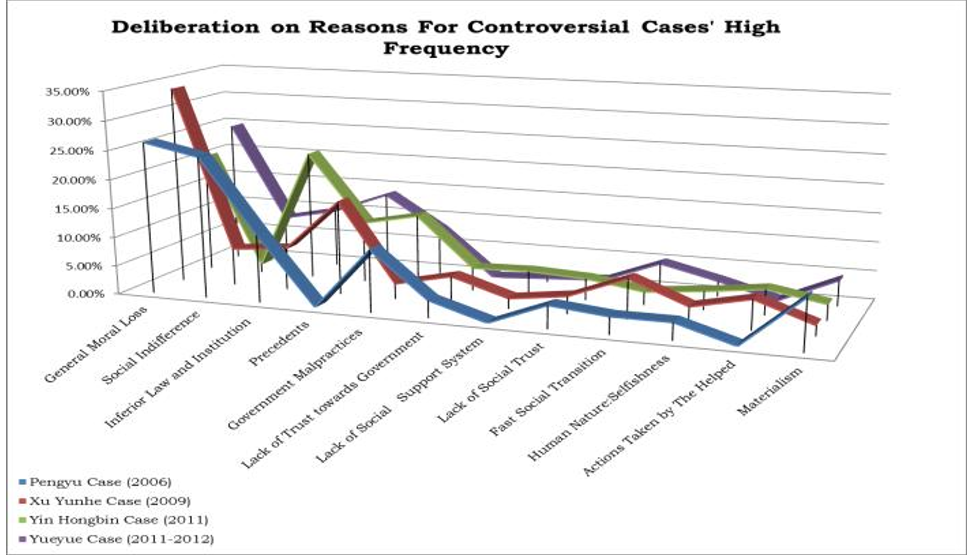
- The Xu Yunhe Case (2009): Discussion broadened. Netizens began criticizing not just the judge, but the systemic lack of medical insurance that forced seniors to frame their helpers.
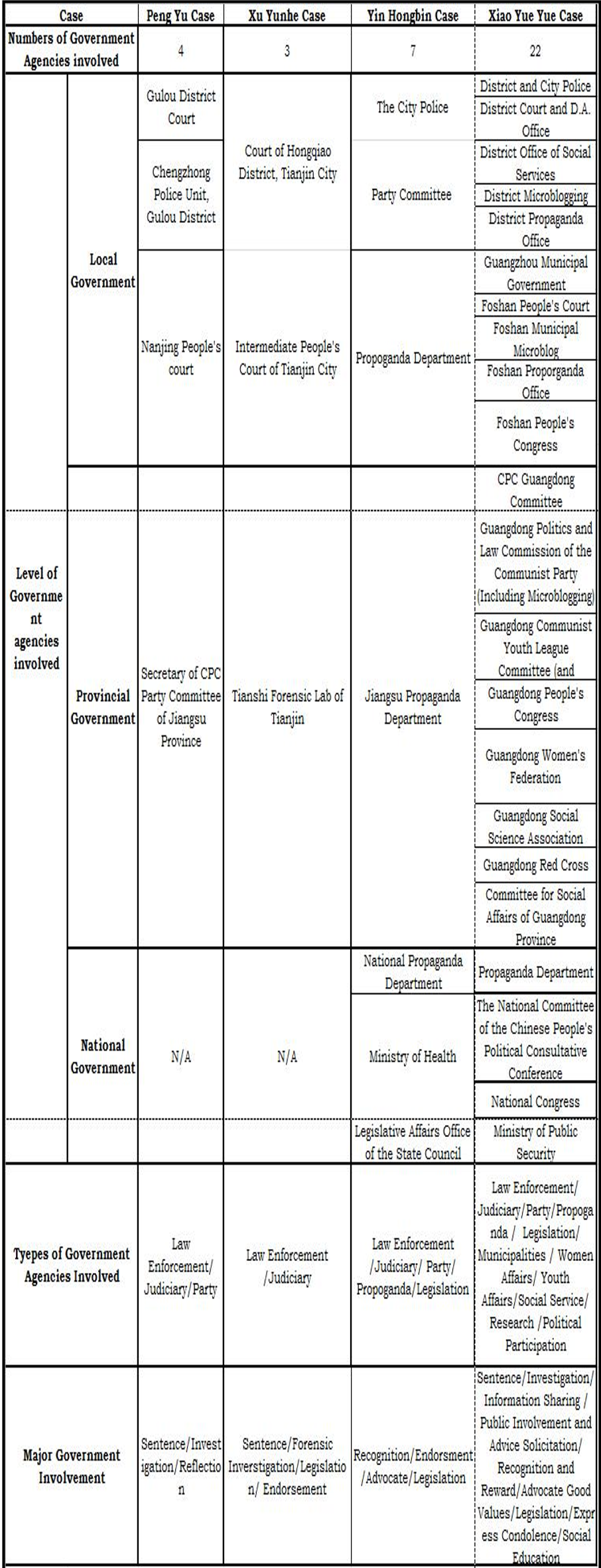
- The Yin Hongbin Case (2011): A turning point. Bus dashcam footage proved a driver's innocence. For the first time, multiple levels of government responded quickly to praise the "Good Samaritan."
- The Yueyue Tragedy (2011-2012): The tipping point. After 18 people ignored a dying toddler, micro-blogging exploded. This case forced 22 different government agencies to intervene, leading to new "Good Samaritan" legislative discussions.
Methodology: Mining the Collective Mind
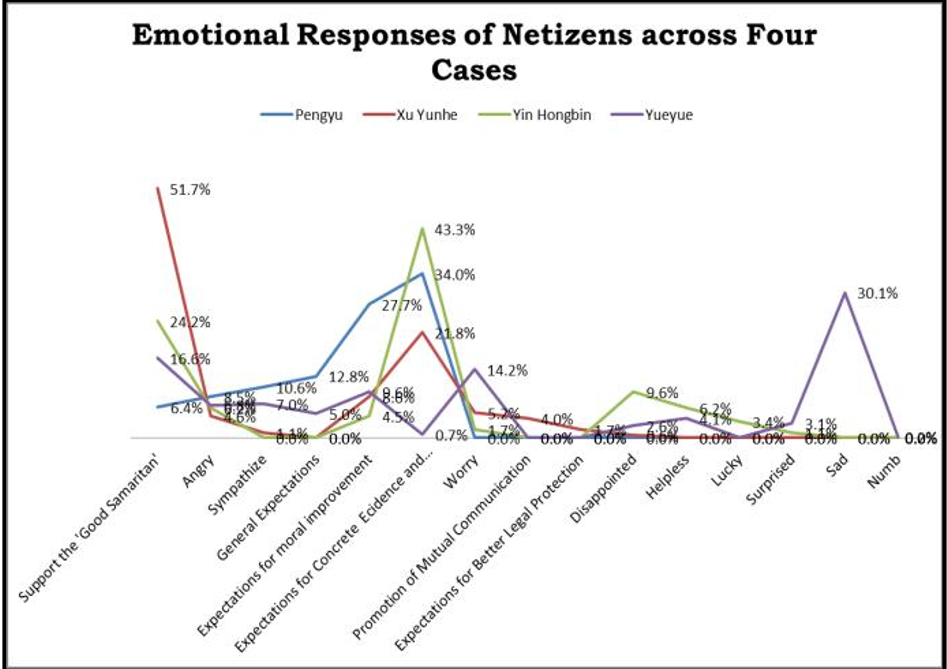
Using a Grounded Theory approach, the researchers didn't start with a hypothesis. Instead, they let the data (23,000+ micro-blogs) speak. They identified an "Axial Coding" process where individual emotions (anger, shock) transformed into systematic demands (legal reform, transparency).
The Role of "Light Communities"
The paper introduces the concept of Light Communities—informal, flexible, and issue-oriented groups. Unlike traditional political parties or unions, these digital groups offer low-barrier participation. They are "liquid" structures that can dissolve as quickly as they form, yet during their peak, they harmonize public opinion to a degree that traditional "top-down" propaganda cannot ignore.
Insights: Why This Matters for Governance
The study provides three critical takeaways for understanding modern tech-governance:
- Information Sovereignty: Micro-blogging acts as an independent information source. Netizens "triangulate" facts from multiple users, making it harder for a single narrative (state or traditional media) to dominate.
- The Propaganda Pivot: The research shows that traditional media now follows micro-blogging trends rather than setting them. When the "Yueyue" discussion became too loud to ignore, state media was forced to adopt the netizens' framing of the moral crisis.
- Administrative Responsiveness: The jump from 4 involved agencies in 2006 to 22 in 2012 suggests that the government has recognized the "mobilizing power" of social media. Engaging with netizens is no longer optional; it is a strategy for maintaining social stability.
A Critical Look: The Digital Divide
While the paper celebrates the deliberative potential of Weibo, it honestly acknowledges the Digital Divide. The voices shaping China's "moral compass" online are predominantly aged 18-45. Children and the elderly—the very victims in these traffic cases—are often silenced or marginalized in these digital debates.
Conclusion
This research proves that micro-blogging has fundamentally altered the power relations between the Chinese state and its citizens. By transforming private indignation into collective deliberation, netizens have carved out a space where they don't just consume news—they dictate the governance agenda.
Takeaway: For researchers and policymakers, this work serves as a reminder that social media's greatest power is not just in "sharing," but in "integrating" fragmented experiences into a unified call for systemic change.