
Cloud-Driven Valorization: Modernizing Italian Cultural Heritage with Livebase
Cloud computing for cataloguing and valorization of the Cultural Heritage.: Experimentation of the LiveBase platform for the fast development of cataloguing
This paper introduces a cloud-based approach for the digitization of Italian Cultural Heritage using the Livebase Application Platform as a Service (APaaS). It focuses on transforming the complex, manual ICCD standards into an intuitive, model-driven web application to streamline the cataloging of paleontological specimens.
TL;DR
Italy’s cultural wealth is vast, but its digital documentation is often hamstrung by bureaucratic complexity. This paper details how researchers at TekneHub (University of Ferrara) leveraged Livebase, a model-driven APaaS, to transform the intimidating ICCD (Central Institute for Cataloguing and Documentation) standards into a modern, cloud-based application. By focusing on UI/UX optimization and logical data grouping, they moved cataloging from cumbersome paper ledgers to integrated digital assets.
Background: The Complexity Crisis in Cataloging
Italy’s ICCD sets the "gold standard" for documentation, but this standard is a double-edged sword. Some datasheets require over 500 individual fields. For a museum professional, filling these out is like navigating a labyrinth; instructions for a single field can span half a page.
The survey conducted by TekneHub revealed a stark reality:
- Inertia: Small museums often skip standardized cataloging entirely, relying on simple Excel sheets.
- Fragmentation: Institutions use siloed software (ARTVIEW, Artin XML) that lacks flexibility.
- Information Loss: Historical data for older collections is often missing, yet existing systems demand rigid completeness.
Methodology: The Power of Model-Driven Design
The core innovation lies in using the Livebase platform to apply a "Human-In-The-Loop" design strategy. Rather than just creating a digital form, the authors re-engineered the experience of cataloging.
1. Logical Macro Areas
Instead of a flat list of 500 fields, data was reorganized into six intuitive macro areas. This allowed catalogers to focus on specific contexts (e.g., "Intrinsic Data" vs. "Management Data") without becoming overwhelmed.
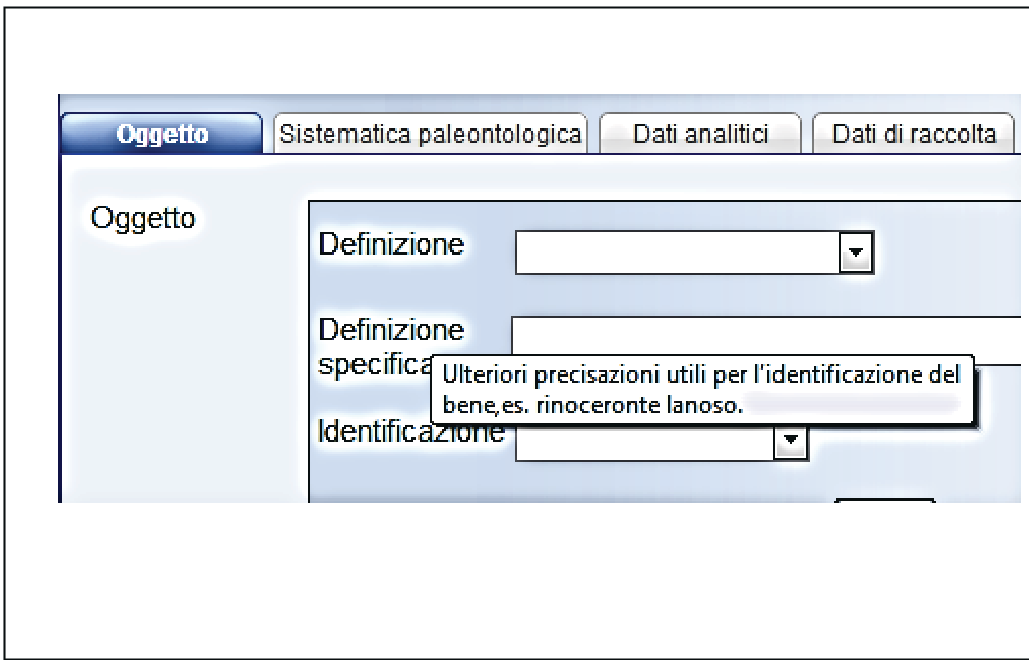 Fig 1. Logical Macro Areas regrouping the complex ICCD fields.
2. Contextual Intelligence
To solve the "instruction fatigue," the system uses hover-over tooltips (bubbles) that present a summary of filling instructions only when needed. It also distinguishes between Open Vocabularies (for new terms) and Closed Vocabularies (drop-down menus) to ensure data integrity.
3. The Efficiency Factor: The Copy Function
Museum collections often consist of "batches"—specimens found in the same geological layer or location. Re-typing identical data for 50 specimens is a major bottleneck. The researchers implemented a sophisticated Copy Function, allowing users to duplicate a base record and only edit the 5-10% of fields that differ between specimens.
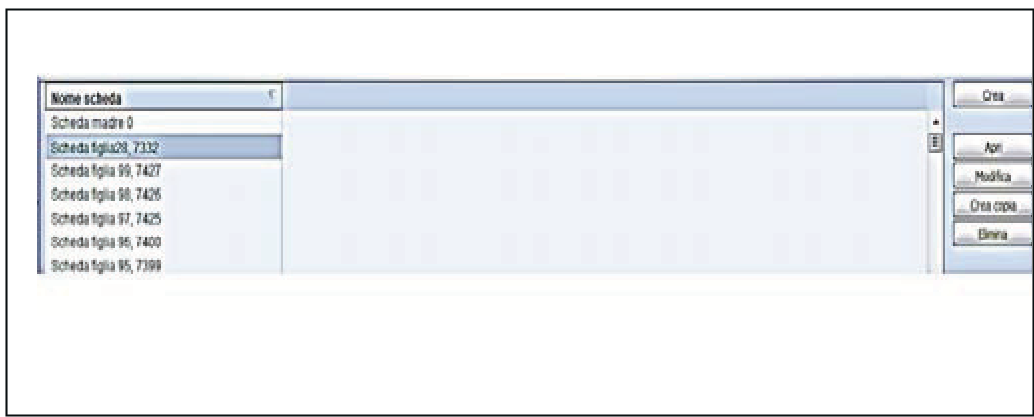 Fig 2. The Copy Function interface, vital for batch processing.
Experimental Results: From Paper to Paleontological Database
The system was battle-tested using the Capellini Geological Museum's collection of fossil fish.
- Data Enrichment: 131 entries that originally had only 5 or 6 fields in 19th-century paper logs were enriched into comprehensive digital records with over 60 fields of systematic, geochronological, and lithological data.
- Agility: Because Livebase is model-driven, the researchers could update the database schema on the fly as new requirements emerged during the data entry phase, without losing existing records—a feat difficult for traditional SQL-based systems.
Critical Insight: Why This Matters
The true value of this work isn't just "another database." It's the demonstration of APaaS as a democratizing force. By moving to the cloud and using model-driven development:
- Accessibility: Small museums can access professional-grade tools via a browser without local IT infrastructure.
- Compliance: The software "enforces" the complex ICCD rules through its architecture, reducing the training required for staff.
- Interoperability: With built-in APIs, these records can eventually be fed into larger European repositories or public-facing educational websites.
Conclusion & Future Outlook
While the project successfully digitized a specific collection, the real win is the repeatable framework. The authors successfully proved that cloud-based platforms could handle the "heavy lifting" of historical metadata.
Future Work: The next logical step is integrating this with Open Data initiatives and potentially using machine learning to suggest field values based on analyzed photos of the specimens, further bridging the gap between physical artifacts and digital knowledge.