
Cloud-Native Marketing: From Mass Promotion to Algorithmic Personalization
Cloud services and marketing
This paper explores the transformative impact of Cloud Services on modern marketing, moving from traditional "4Ps" and outbound models to data-driven Inbound Marketing and Marketing Automation. It highlights how cloud-based SaaS, PaaS, and IaaS solutions enable real-time lead tracking, behavioral prediction, and hyper-personalization at an unprecedented scale.
TL;DR
The marketing world has hit a "point of no return." By leveraging Cloud Services, companies have shifted from the traditional, often blind "4Ps" model to a precision-engineered approach. This paper argues that marketing automation and inbound strategies aren't just improved by the cloud—they were virtually impossible without it. However, this evolution comes at a steep price: the total erosion of user privacy.
The "Pre-Cloud" Pain: Marketing in the Dark
Before the ubiquity of AWS, Salesforce, and Google Analytics, marketing was a game of educated guesses.
- The Tracking Gap: Measuring the ROI of a billboard or a TV ad was notoriously difficult.
- Static Segmentation: Customer segments were updated quarterly or yearly, making them obsolete by the time they were deployed.
- The Cost Barrier: Only enterprises could afford the massive server banks required to store and analyze customer behavior databases.
Methodology: The Cloud as a Marketing Catalyst
The authors categorize the shift through the core pillars of cloud computing: SaaS (Software), PaaS (Platform), and IaaS (Infrastructure). This infrastructure acts as the "nervous system" for modern data.
1. Marketing Automation & Lead Tracking
Cloud tools like Oracle Eloqua and Marketo allow for Lead Scoring. Instead of guessing who might buy, algorithms track every interaction—email opens, link clicks, and time spent on page—to assign a "probability of purchase" in real-time.
2. The Inbound Revolution
Inbound marketing turns the funnel upside down. Instead of hunting customers (Outbound), companies create "magnets" (Content).
- Cloud Hosting: Platforms like YouTube and WordPress allow global distribution at zero marginal cost.
- Social Signal Mining: Cloud-hosted social networks (Facebook, Twitter) provide the metadata needed to understand the "mood" and "intent" of a society.
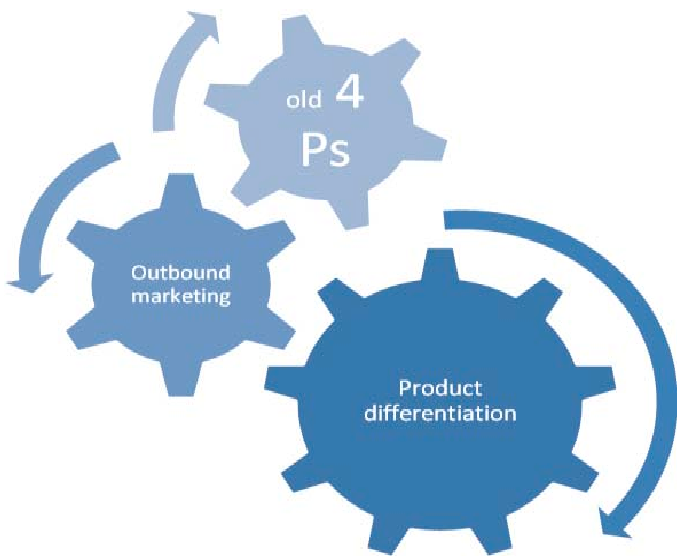 Figure 1: The traditional, siloed marketing approach where promotion and product were disconnected from real-time customer feedback.
Engineering the "Perfect" User Profile
The paper reveals the "Art of Engineering" behind the curtain.
- Fingerprinting via Cookies: By using social widgets (Like/Share buttons), cloud providers track users across the entire web, not just on their own platforms.
- Proximity Services: Smartphones feed GPS data back to the cloud, enabling "Push Notifications" the moment a lead walks past a physical storefront.
- Big Data Analytics: Platforms like HP Autonomy’s HAVEn categorize "unstructured data" (audio, images, social posts) to create a profile so rich that marketers may know more about a user’s future needs than the user does themselves.
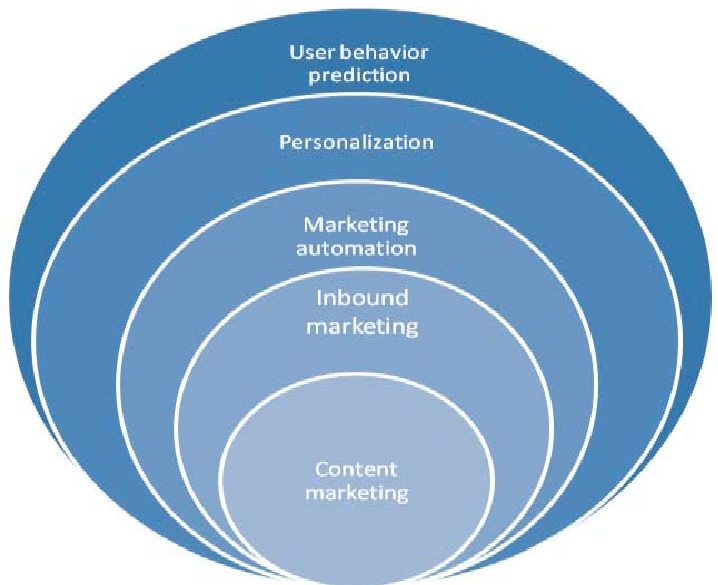 Figure 2: The modern Cloud-Integrated Marketing model, defined by continuous feedback loops, personalization, and behavioral prediction.
Critical Insight: The Privacy Paradox
While the "Holy Grail" of marketing—putting business on "autopilot"—seems within reach, the authors warn of a significant backlash. The profitability of cloud providers is currently tied to "users remaining unaware of the extent to which their privacy is exploited."
Key Takeaways:
- Personalization is the New Differentiation: We have moved from differentiating products to creating unique offerings for each individual.
- The Offline Requirement: The biggest technical weakness remains the dependency on a constant internet connection, though "Hybrid" solutions like Evernote are bridging the gap.
- The Ethical Frontier: Future marketing will likely integrate Augmented Reality (AR), pulling data directly from the cloud to "augment" the consumer's physical reality in real-time.
Conclusion
The hypothesis is confirmed: the marketing landscape has fundamentally changed. The move to the cloud isn't just a technical upgrade; it's a philosophical shift. As we blur the lines between the digital and real worlds, the industry's survival will depend on whether it can resolve the "Issues of Trust" before consumers decide to "be forgotten" by the algorithms once and for all.