Bridging Social Collaboration and Case Management: Making CMMN Executable
Using CMMN to Model Social Processes
This paper explores the adaptation of the Case Management Model and Notation (CMMN) for modeling human-intensive "social processes" within collaborative platforms. The authors propose an extension to the Adaptive Case Management (ACM) meta-model, introducing social-specific elements like "Notify" and "Publish" tasks to enable executable process models.
TL;DR
In the landscape of modern business, processes are becoming increasingly "social" and unpredictable. This paper tackles the challenge of modeling these human-intensive interactions by extending the Case Management Model and Notation (CMMN). By introducing social-specific task types and refining the Adaptive Case Management (ACM) meta-model, the authors demonstrate how a collaborative platform (ReWeee) can turn abstract social behavior into executable, automated workflows.
Background: Beyond the Rigid Flowchart
In traditional Business Process Management (BPM), we often think in terms of rigid "if-this-then-that" sequences. However, Adaptive Case Management (ACM) flips this: it is data-driven and human-centered. Here, the knowledge worker is in the driver's seat, making decisions based on evolving data. The problem? Most ACM tools aren't standardized for the "social" era—where a notification or a wall post is just as vital as a formal approval.
The Core Insight: Extensions for a Social World
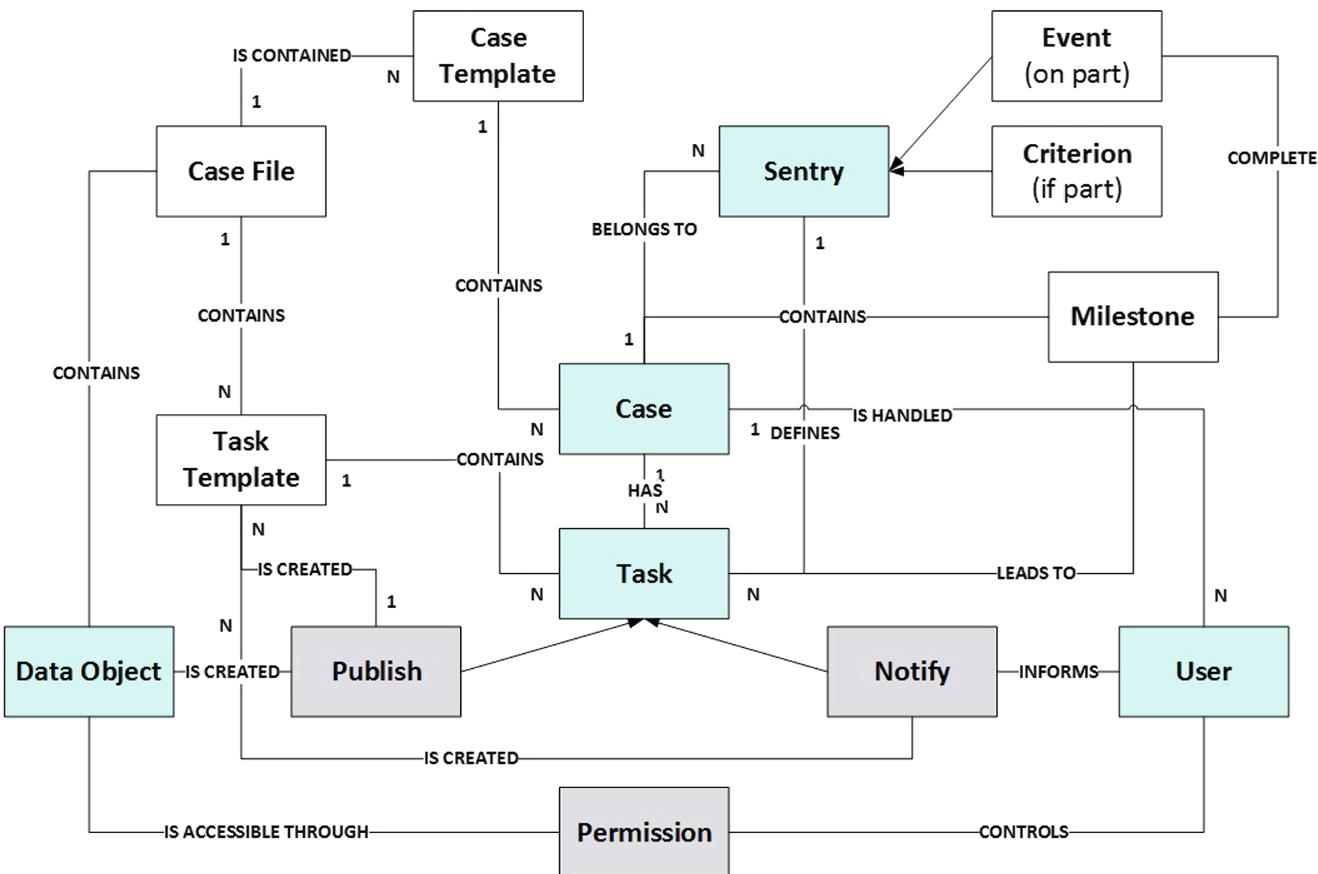
The authors argue that for a model to be truly executable in a social environment, it must recognize the fundamental atoms of social interaction. They propose a modified meta-model that introduces:
- User over Role: Moving from abstract organizational roles to digital identities with specific permissions and communication capabilities.
- Stereotype Tasks: Categorizing human actions into Notify (asynchronous alerts) and Publish (data generation), reflecting how people actually interact on social platforms.
- Sentries & Milestones: Using CMMN’s built-in logic to handle the transition between states without forcing a linear path.
Methodology: The ReWeee Case Study
To prove their theory, the authors modeled the ReWeee process—a social platform for exchanging and donating electronic equipment.
The Architecture of Interaction
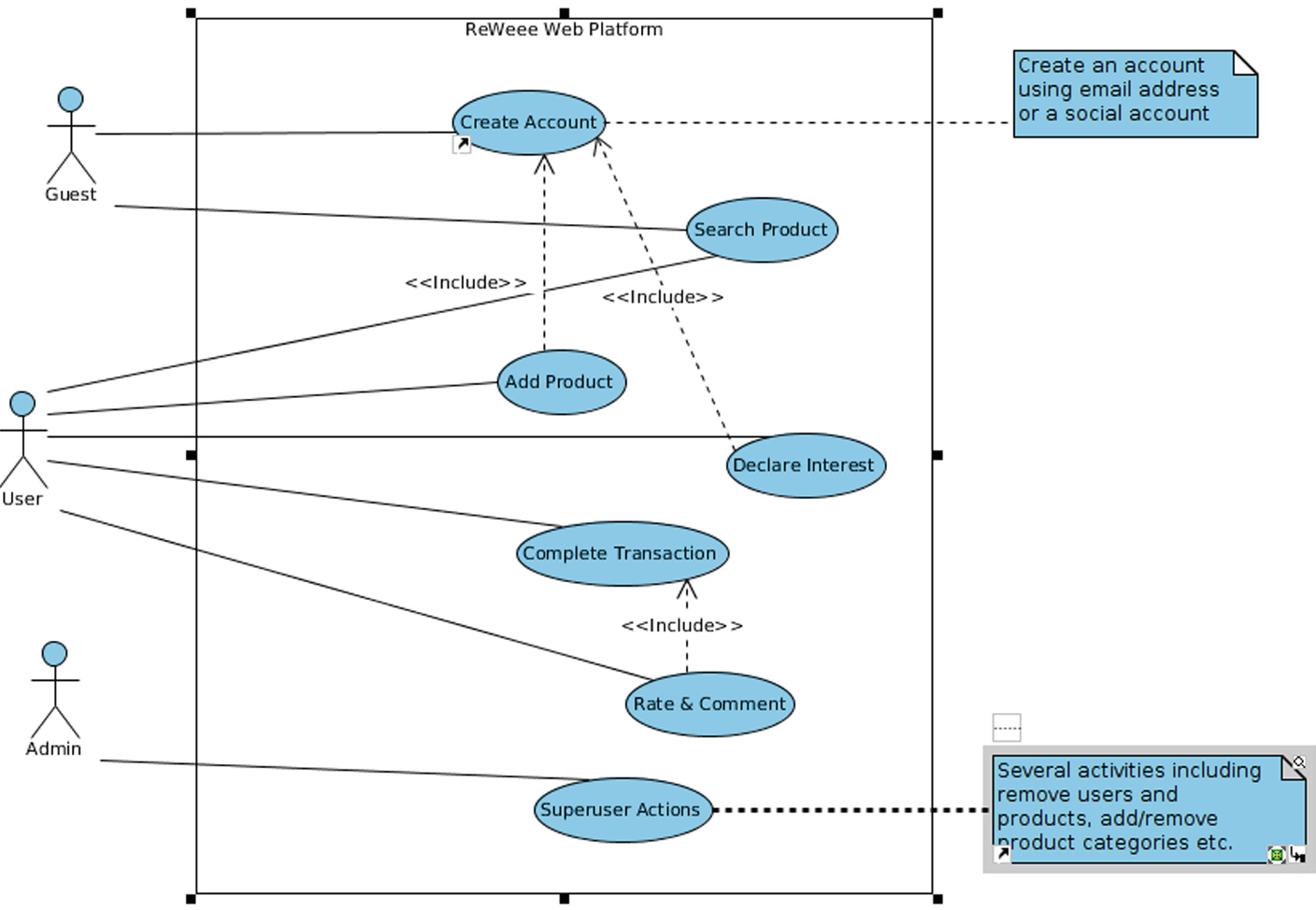
The process involves three main actors: Guest, Registered User, and Administrator. Unlike a standard logistics process, the "flow" here is dictated by user interest and social communication.
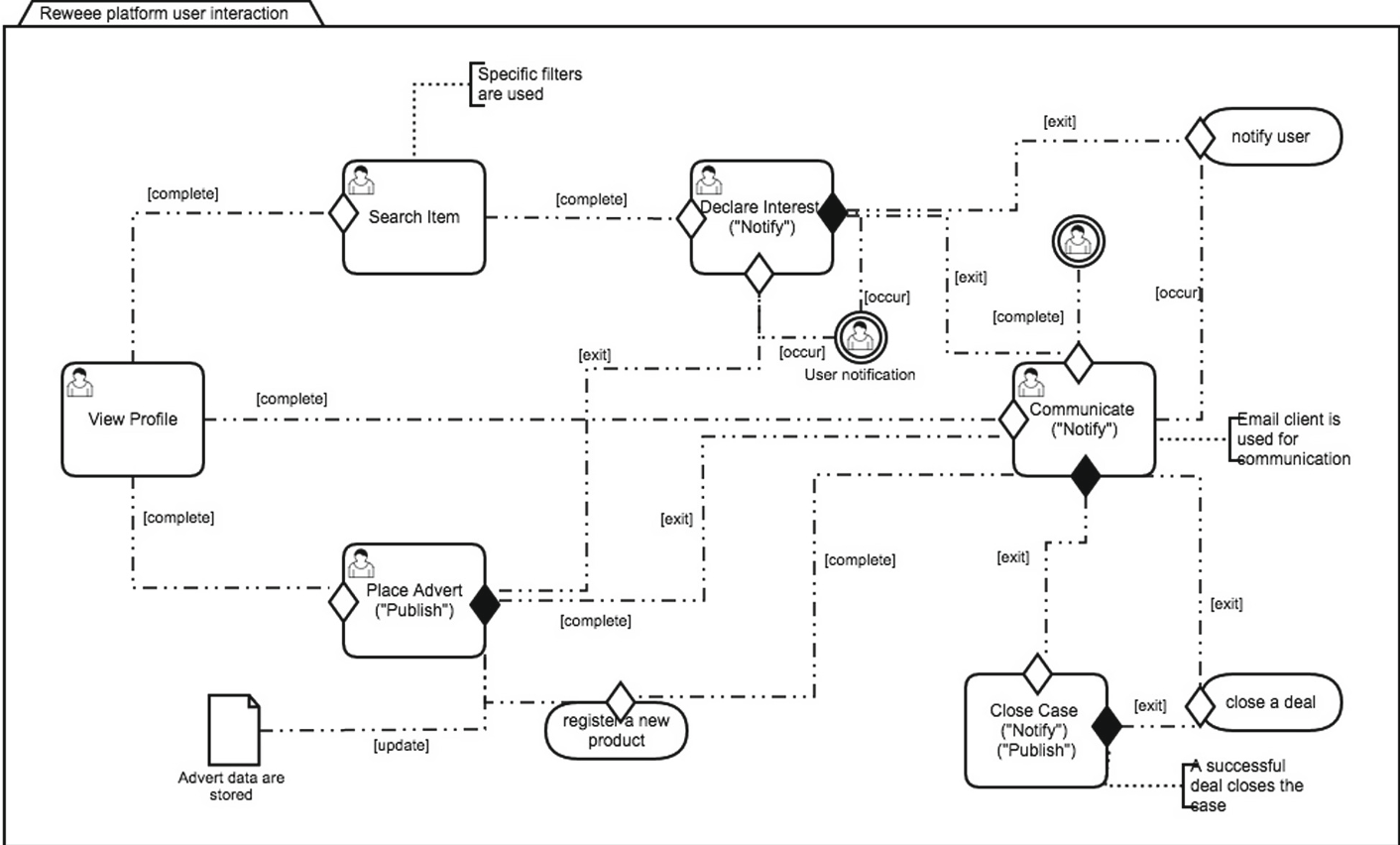
- Search & Interest: A user finds a product (Search Task) and triggers a "Notify" task to the owner.
- Collaboration: If both parties agree, a sub-process of communication begins.
- Transaction: Once the exchange is done, a "Milestone" is reached, and the case is closed via a "Publish" task.
Results & Why It Matters
The modeling effort using the Camunda Modeler showed that:
- Automation is possible in "Chaos": Even though social processes feel unstructured, the use of Sentries (event-condition-action logic) allows for a high degree of automated state management.
- Clarity through Stereotypes: By labeling tasks as "Publish" or "Notify," developers can easily link model elements to technical APIs (like email servers or database triggers).
- Flexibility: The system doesn't break if a user decides to skip a step or change their mind, which is a common failure point for traditional BPMN.
Critical Analysis & Future Outlook
While the paper successfully maps social processes to CMMN, the "executable" part remains largely theoretical in this specific study. The next hurdle is the Runtime Challenge: how do these models perform under heavy real-time social loads where thousands of "Notify" events trigger simultaneously?
Takeaway for the Industry: For software architects building collaborative platforms or ERPs, CMMN offers a far superior framework for "knowledge work" than traditional flowcharts. By treating social interaction as a first-class modeling citizen, we can finally build systems that support how people actually work—not how we wish they would work.