
Co-Creating Care: Why the "Uber for Healthcare" Needs a Better Governance Model
Co-Creating Platform Governance Models Using Boundary Resources: a Case Study from Dementia Care Services
This paper presents a longitudinal case study of a digital labor platform for person-centered dementia care. It introduces an extended Platform Boundary Resource Model to analyze the tensions between platform owners and workers, demonstrating how co-creating these resources can support complex, creative, and non-transactional healthcare services.
TL;DR
Building a digital platform for dementia care isn't about "Uberizing" caregivers. This paper explores how a Norwegian startup used Boundary Resources to design a labor platform that balances a business owner's need for scalability with a caregiver's need for personalization. The takeaway? Complex work requires "elastic" digital tools, not rigid algorithms.
Background: The Clash of Two Disciplines
The study of digital platforms is currently split into two camps:
- Information Systems (IS): Focuses on the "Core" vs. "Periphery." It asks how owners can maximize revenue and manage external innovation.
- CSCW & HCI: Focuses on the "Invisible Labor." It asks how workers feel about being managed by algorithms and how they bypass platform restrictions to get work done.
This paper attempts to bridge these worlds by looking at an "extreme case": Dementia Care.
Problem & Motivation: The Limits of Standardization
Most labor platforms (think Uber or AMT) succeed by standardizing tasks. If you are a driver, the platform doesn't care about your "creative style"—it cares about Point A to Point B.
However, person-centered dementia care is the opposite. It is:
- Personalized: Every patient is "hidden behind the disease" in a unique way.
- Creative: A plan to "take a walk" might change instantly based on the weather or the patient's mood.
- Continuous: Trust is built over months, not a single transaction.
The authors argue that when tasks require local knowledge and creativity, traditional "top-down" platform governance breaks.
Methodology: The Boundary Resource Lens
To solve this, the authors used the Platform Boundary Resource (BR) Model. Boundary resources are the "interfaces" (tools, regulations, apps) that facilitate the relationship between the platform owner and the users.
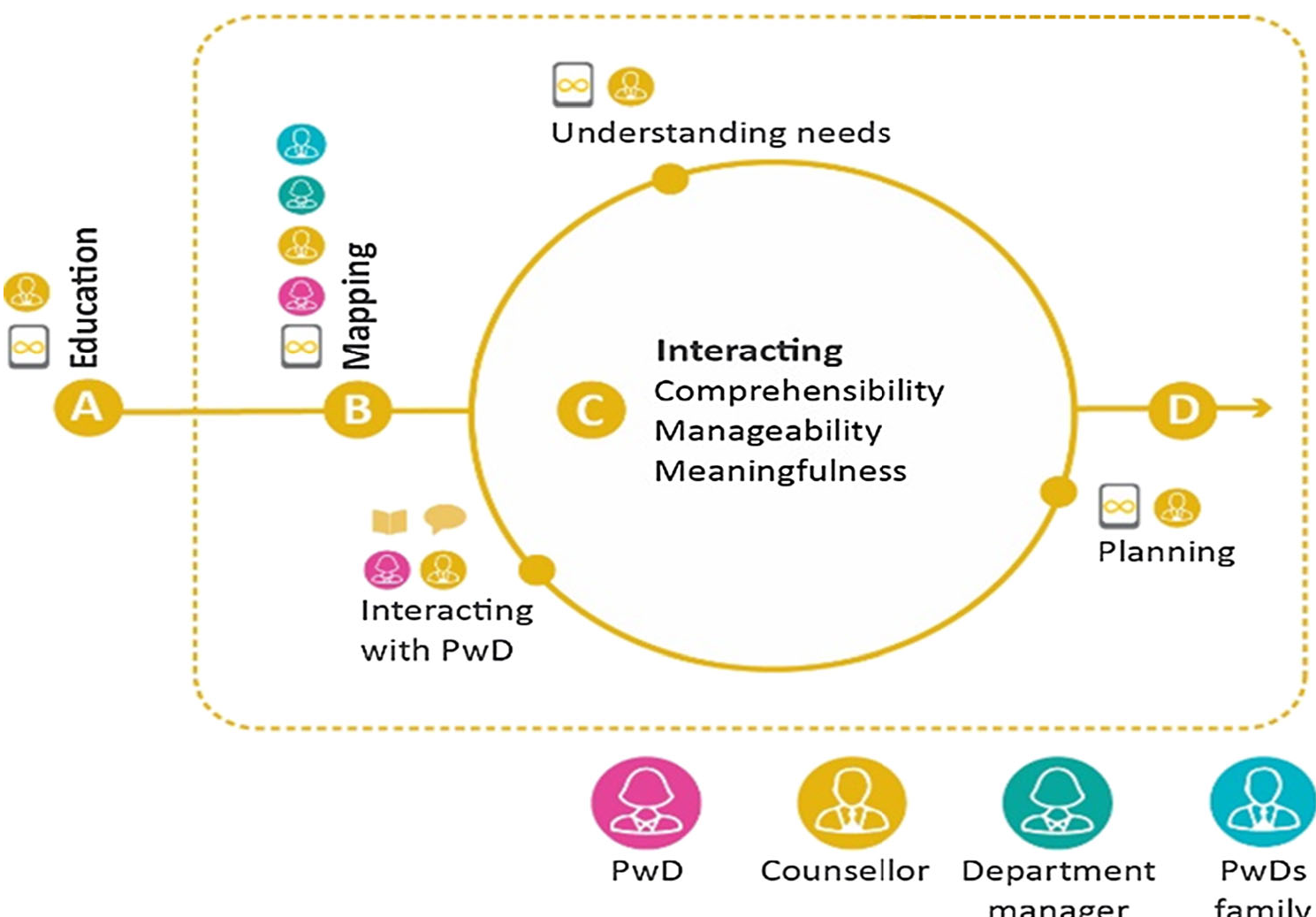
The researchers identified several key resources in the Norwegian company's workflow:
- The Counselor Profile: Used for matchmaking based on "chemistry" rather than just availability.
- The Activity Planner: A digital tool meant to suggest activities (the "standardization" attempt).
- The OBS-Demens Graph: A visual summary of a patient's cognitive and social trajectory.
Results: Tensions in Tooling
The field evaluation revealed a fascinating struggle between Automation and Intuition.
1. The Failure of the Activity Planner
The platform owner wanted the Activity Planner to ensure quality. However, counselors found it rigid. If the app said "Go for a walk" but the patient was agitated, the counselor had to ignore the app.
- Insight: In complex work, digital tools should provide inspiration, not instruction.
2. The Success of the OBS-Demens Graph
Unlike simple "star ratings," the OBS-Demens graph allowed counselors to show families the tangible results of their "emotional labor."
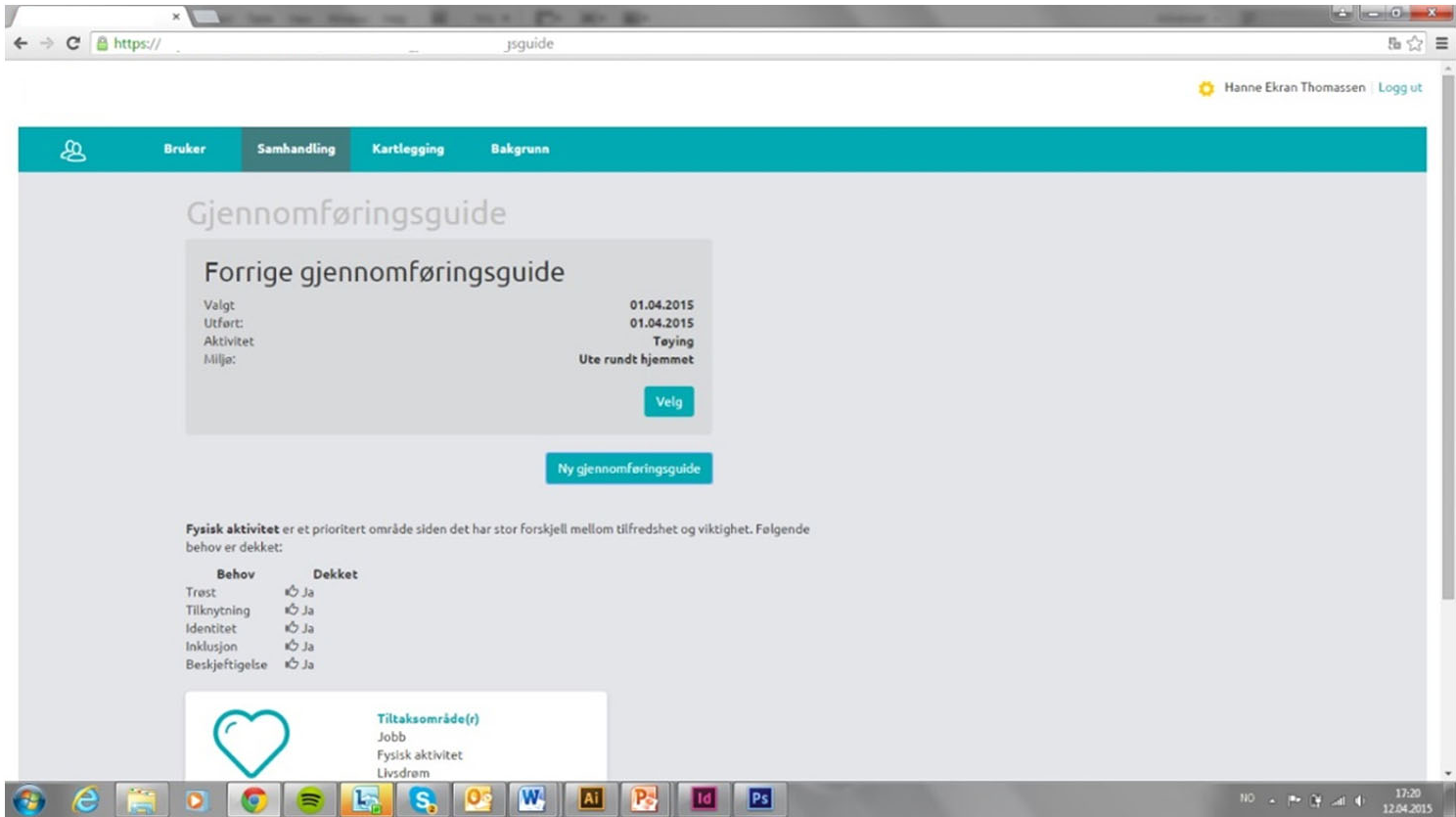
This graph acted as a Boundary Object:
- For the Owner, it was data to prove service value.
- For the Worker, it was a tool to reflect on their patient's progress.
- For the Consumer, it was evidence of care.
Critical Insight: Co-Creation is Mandatory
The core achievement of this paper is showing that Governance is not just code. Governance is the sum of the training programs, the contracts, and the apps.
(Note: Refer to Table 4 in the paper for the full breakdown of owner vs. worker perspectives.)
When workers were involved in the design, they transformed the platform from a "monitoring tool" into a "learning vehicle." They moved privacy-sensitive notes to private notebooks and used the digital platform for high-level visualization, maintaining their professional dignity.
Conclusion & Takeaways
- Anti-Taylorism: Digital platforms for skilled work should avoid "Micro-tasking." Breaking care into tiny pieces destroys the continuity required for the service to work.
- Pedagogical Design: Platforms in specialized fields must take on an educational role, supporting worker socialization (like the "Reflection Meetings") rather than isolating them.
- Flexibility by Design: Sustainable governance must allow workers to "tune" the resources. If a worker can't override the algorithm, the system is brittle.
Dementia care is a "litmus test" for the future of the platform economy. If we can design a platform that respects the complexity of the human mind, we can design better workplaces for everyone.