
Co-designing Resilience: Bridging the Gap Between Crowdsourcing and Disaster Management
Co-design of a crowdsourcing solution for disaster risk reduction
This paper presents a participatory co-design methodology for developing a crowdsourcing application dedicated to Disaster Risk Reduction (DRR). Developed within the I-REACT project, it successfully integrates technical services, crisis managers, and first responders into the design process to create a functional prototype for real-time in-field reporting.
TL;DR
When disaster strikes, the bottleneck isn't just lack of data—it's the lack of actionable, reliable data. This paper introduces a structured co-design methodology that brings crisis managers and professional responders into the "architect's room" to build a crowdsourcing tool they actually trust. By moving from a top-down hierarchy to a participatory model, the researchers identified exactly what data (WHO and WHAT) is needed to turn "digital volunteers" into a force multiplier for emergency services.
The Motivation: Why Hierarchies Fail in Chaos
Disaster Risk Reduction (DRR) is traditionally a centralized, top-down affair. However, in the age of ubiquitous mobile connectivity, citizens are often the first "sensors" on the scene. The gap lies in the fact that professional responders are often hesitant to use social or crowdsourced data due to concerns over reliability and "noise."
The authors realized that the only way to solve this wasn't just better code, but a better design process. They adopted a "Human-Centered Design" approach to bridge the trust gap between informal public platforms and formal emergency protocols.
Methodology: The 4-Phase Co-design Framework
The heart of this research is the transition from theoretical data collection to a functional UI prototype through a collaborative four-step journey.
1. The Strategy Map
The process begins by aligning stakeholders—ranging from policy makers to in-field agents—to define the most pressing hazards (e.g., floods and extreme weather).
2. Data Scouting
Participants categorized 120 unique data points into two clusters:
- WHO: Reporter identity, reliability, and safety status.
- WHAT: Hazard details (water levels, fire direction), damaged infrastructure, and available resources.
3. Prototyping (The Co-Sketching Phase)
This is where the physical "how-to" happens. Using stencils and paper wireframes, mixed groups of developers and users designed the interface.
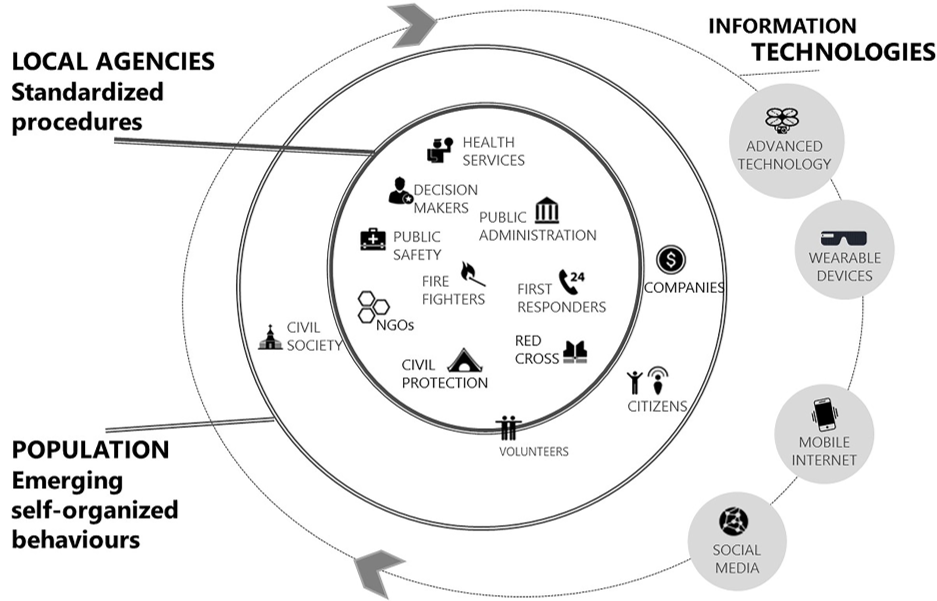 Figure 1: The DRR Co-design methodology workflow, moving from needs to consolidated solutions.
Experimental Implementation: The I-REACT Workshop
The researchers implemented this methodology with 52 participants in an international workshop. The process yielded a fascinating mapping of information needs across different disaster phases: Response required the most data, followed by Preparedness.
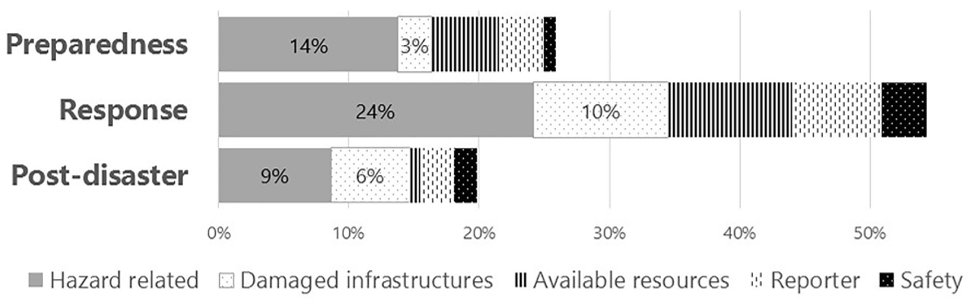 Figure 2: Analysis of unique data needs categories across Prevention, Preparedness, Response, and Post-disaster phases.
Key UI Insight: The Informative-Generative Split
One of the most valuable outputs was the visual analysis of collective sketches. Almost all groups naturally gravitated toward a specific layout:
- Top 40% (Green Area): Reserved for authoritative info (maps, warnings).
- Bottom 60% (Dotted Area): Reserved for the "Generative Level" (crowdsourcing tools for the user to report what they see).
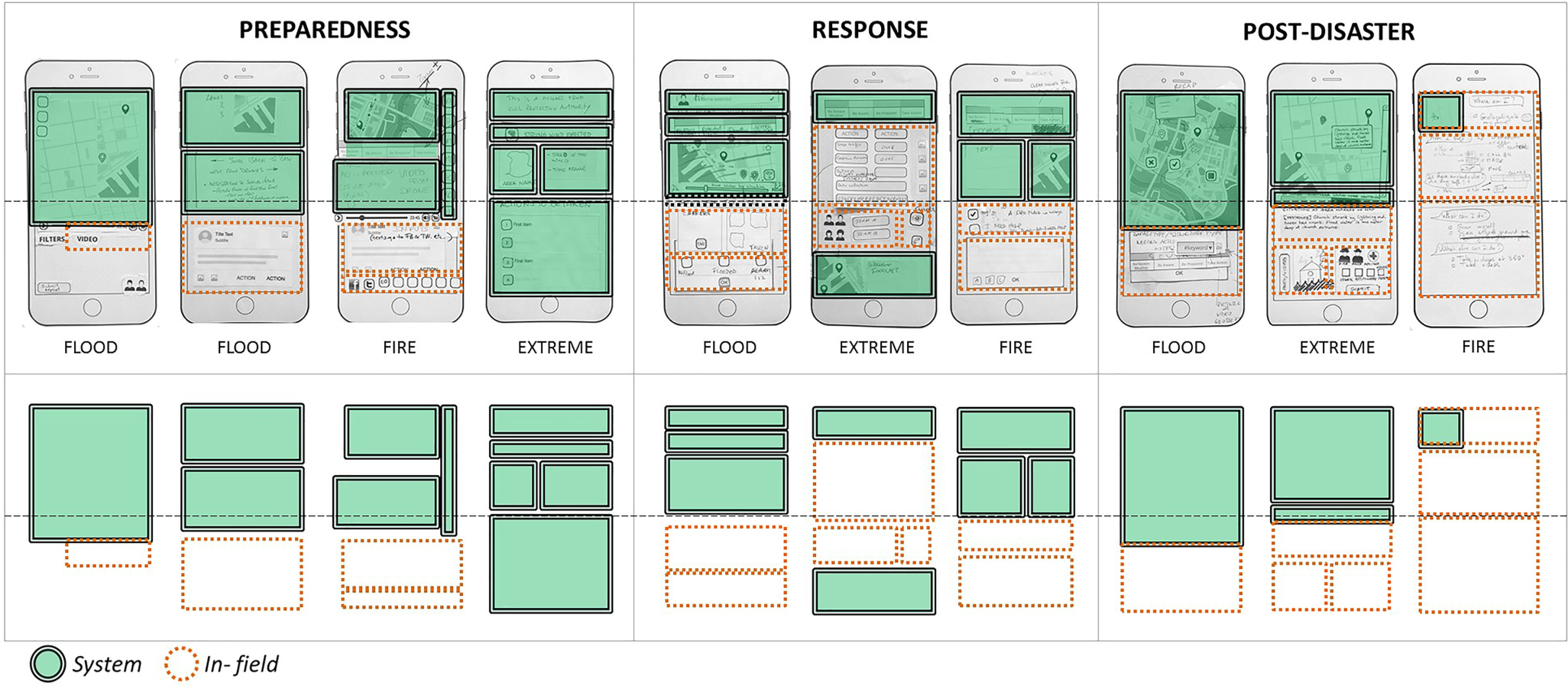 Figure 3: Cognitive mapping of the mobile UI, showing the prioritized real estate for crowdsourcing features.
Critical Analysis: The Trust vs. Volume Trade-off
The study honestly addresses the "double-edged sword" of crowdsourcing. While mobile apps provide high-volume, geo-localized data, they also create a "validation burden" for crisis managers.
Key Takeaways for Future Systems:
- AI is Mandatory: Manual verification of 1000s of reports isn't scalable. Future systems must integrate machine learning for automated data filtering and reputation scoring.
- Volunteers > Common Citizens: The stakeholders clearly preferred "trained volunteers" as data sources over "common citizens" for technical metrics like water volume or wind speed.
- Connectivity Paradox: While mobile devices are ubiquitous, they are also prone to failure during disasters. The system design must account for offline capabilities and asynchronous data syncing.
Conclusion
This paper moves the needle by proving that the "Social-Technical" paradigm works in emergency management—if, and only if, the professionals who use the data are involved in its birth. The co-design approach ensures that the resulting tools are not just technologically advanced, but operationally relevant.
Future Work: The next step involves the actual deployment of the I-REACT mobile app and usability testing in real-world civil protection exercises.