
From Gym Rat to Global Icon: The Digital Evolution of Bodybuilding Careers
Collaboration on Social Network Sites: Amateurs, Professionals and Celebrities
2010-05-24
Summary
Problem
Method
Results
Takeaways
Abstract
This paper investigates how social network sites (SNS) facilitate collaboration across different career stages—Amateurs, Professionals, and Celebrities—using a 1.5-year field study of the bodybuilding community. It identifies three roles for SNS (Tool, Community, Theater) and reveals a novel "online-to-offline shift" as individuals advance professionally.
In the high-stakes world of competitive bodybuilding, the journey from a "lone wolf" amateur to a Mr. Olympia celebrity is paved with literal sweat, extreme dieting, and—increasingly—digital strategy. A 1.5-year field study by Ploderer et al. dives deep into **BodySpace**, the niche social network for bodybuilders, to answer a fundamental question: How does our use of technology change as we turn our passion into our profession?
## The TL;DR: The "Online-to-Offline" Shift
This research reveals a surprising trajectory. While we might assume that more success leads to more intense social media use, the opposite is often true for specialized communities. **Amateurs** lean on social networks for survival, **Professionals** use them for business, and **Celebrities** largely abandon them for high-control broadcast platforms or exclusive offline circles.
## The Three Pillars of Online Participation
The authors categorize SNS interactions into three distinct archetypes:
* **The Tool**: Functional use. Tracking body fat percentages, workout logs, and seeking diet tips.
* **The Community**: Social bonding. Finding "like-minded" individuals who understand why you're carrying six Tupperware containers of plain chicken to a wedding.
* **The Theater**: Performance. Posting "glamour shots" and competition wins to garner "muscle ego" validation and recognition.
## Methodology: 1.5 Years in the Trenches
The researchers didn't just observe from afar; they lived the lifestyle. By integrating themselves into the Culture of Bodybuilding in Australia and the "Mecca" (Gold's Gym, California), they bridged the gap between digital data and physical reality.
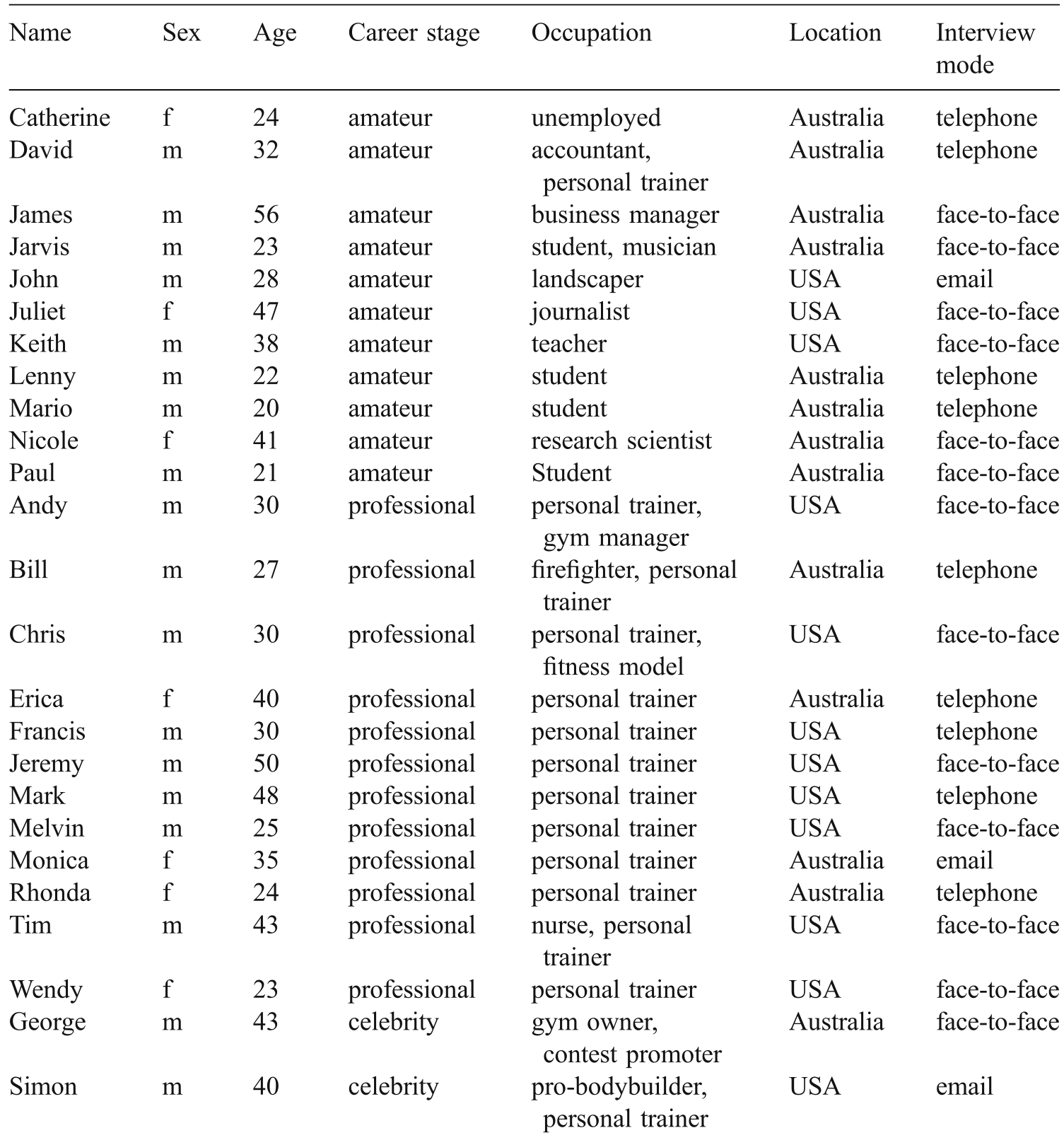
*Table 1: The diverse spectrum of participants, from unemployed amateurs to professional personal trainers and domain celebrities.*
## Career Stage Deep Dive
### 1. Amateurs: The Digital Lifeline
For the amateur, the gym is often a lonely place. The "stigma" of bodybuilding—stereotypes of narcissism or steroid use—can isolate them from "normal" society.
* **Insight**: Amateurs use the SNS as a **Community** to gain legitimacy. The platform provides the **Tool** for "Upward Comparison" (looking at pros for inspiration).
* **Limitation**: They struggle to get "Critical Feedback." Most comments are purely positive ("Looking huge!"), which helps the ego but doesn't fix a weak back muscle.
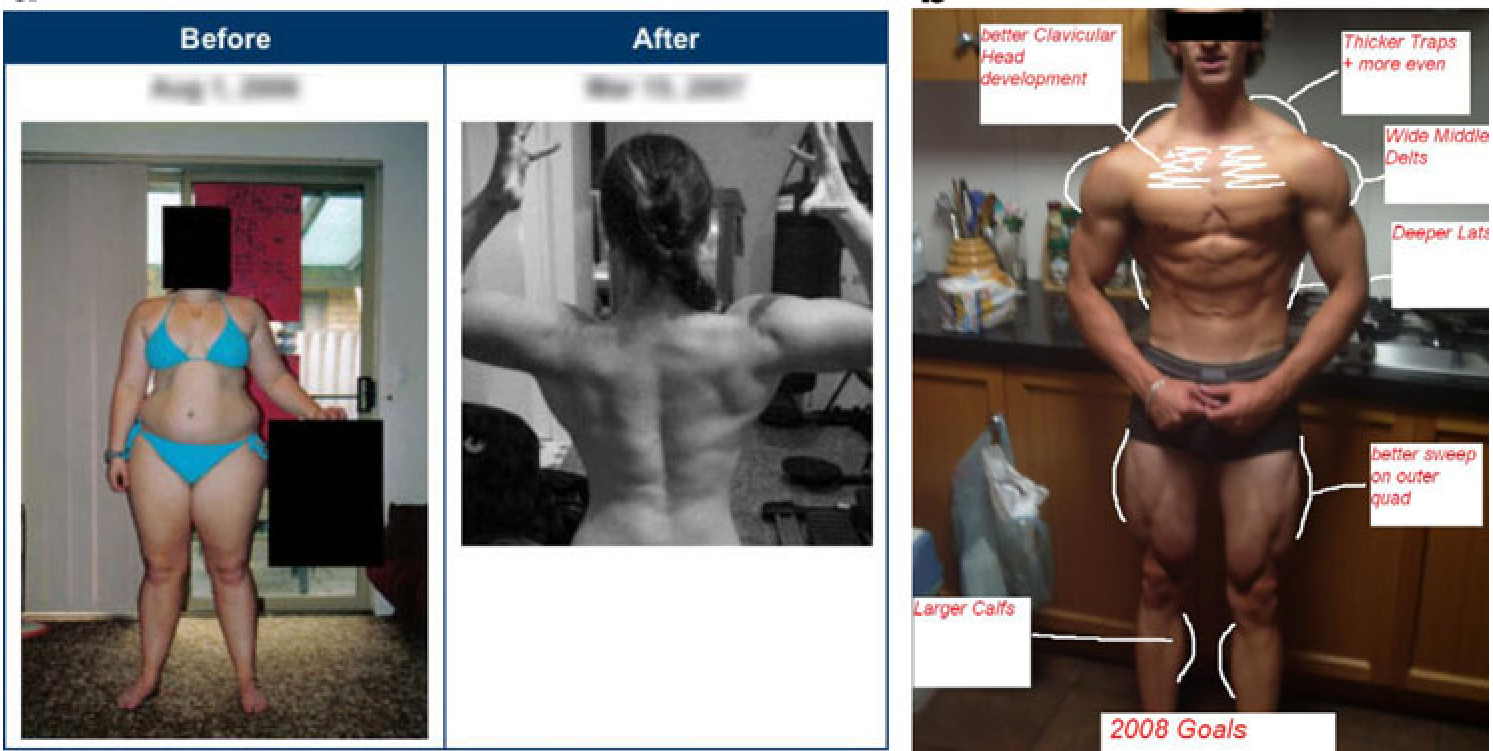
*Figure 1: While photos help track progress, they often fail to elicit the technical critique amateurs need to improve.*
### 2. Professionals: It’s Not Leisure, It’s Business
Once the sport becomes a career (e.g., Personal Training), the logic changes.
* **Insight**: Professionals become "gatekeepers" of knowledge. They hesitate to give free advice online because that knowledge is their product.
* **The Theater**: Their profile becomes a **Digital Business Card**. They aren't looking for friends; they are looking for clients and sponsorships.
### 3. Celebrities: The Silent Guardians
Why aren't the top pros on BodySpace? Because they have "The Team."
* **Insight**: A Mr. Olympia competitor has a nutritionist, a posing coach, and a training partner in the physical world. They don't need a "Tool" or an "Online Community."
* **The Broadcast**: If they use SNS, they prefer Facebook or MySpace (at the time of the study) to broadcast *to* fans while maintaining strict privacy for their *actual* social life.
## Critical Insight: The "Idealized Self"
The study observes that across all levels, users "write themselves into being." They present an **Idealized Projection**. You rarely see photos of a bodybuilder struggling with the mental fog of zero-carb dieting; you only see the "theatrical" success of the stage-ready physique.
## Design Implications for the Future
For developers of passion-centric sites, the takeaway is clear:
1. **Embrace Commercials**: Don't ban pros from selling; they are the "anchors" that keep amateurs engaged.
2. **Transparency over Privacy**: In a world of strangers, seeing mutual friends and "stalker" (fan) status builds the trust necessary to form a community.
3. **Signal Achievements**: Features that highlight "New Success" (e.g., hitting a new weight PR) are more effective at driving engagement than simple chat features.
## Conclusion
This research reminds us that a "Social Network" is not a static thing. It is a living ecosystem where a user’s "Centrality" in their real-world career dictates their digital behavior. As we move from being a "nobody" to a "somebody," we stop looking into the screen for support and start using it as a spotlight for our brand.