
Engineering Together: Leveraging Facebook for Software Analysis and Modeling
The Collaborative Learning of the Analysis and Modeling of Software with the Use of Facebook
This paper proposes a pedagogical framework for enhancing Software Engineering education through collaborative learning on Facebook. By integrating structured activities within the social network, the authors aim to improve students' proficiency in software analysis and modeling, specifically targeting the reduction of common modeling errors.
TL;DR
This research explores the transition from individualistic learning to Collaborative Learning (CL) in software engineering. By utilizing Facebook as a pedagogical tool, the authors addressed frequent errors in system modeling (UML) by creating a social space where students peer-review diagrams and discuss requirements asynchronously, leading to a 95% satisfaction rate and improved technical accuracy.
The "Modeling" Bottleneck and the Collaborative Gap
In the third year of Informatics Science Engineering, students often hit a wall when translating abstract requirements into concrete software models. Common pain points include:
- Notation Confusion: Misusing stereotypes in class diagrams.
- Logic Errors: Failing to distinguish between sequence and collaboration diagrams.
- Passive Learning: Traditional classroom settings don't encourage the "talk" necessary for deep architectural understanding.
The authors' central Insight is that software engineering is inherently social. If students are already spending hours on Facebook, why not redirect that "inertia" toward collaborative problem-solving?
Methodology: Repurposing Social Media for Software Engineering
The study moves beyond "talking" and defines collaborative learning as a process of social construction. The researchers established a structured workflow involving:
- Teacher as Mediator: Designing tasks that require "positive interdependence"—where one student's success depends on the group's input.
- Asynchronous Reflection: Allowing time for individual thought before posting a solution for public critique.
The Framework in Action
The paper outlines specific activities designed to target modeling deficiencies:
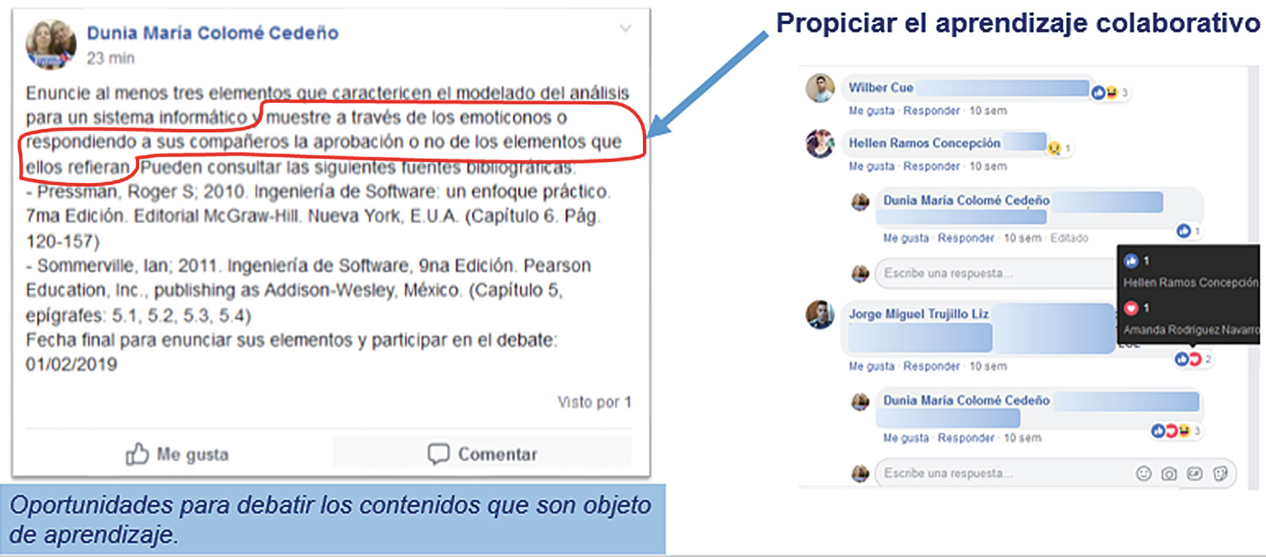 Figure 1: Structured orientation for identifying software analysis elements.
One of the most effective activities involved Activity No. 2, where students published CASE tool-generated diagrams directly to a Facebook Group. Peer comments weren't just "likes"; they were technical critiques of the system's structure.
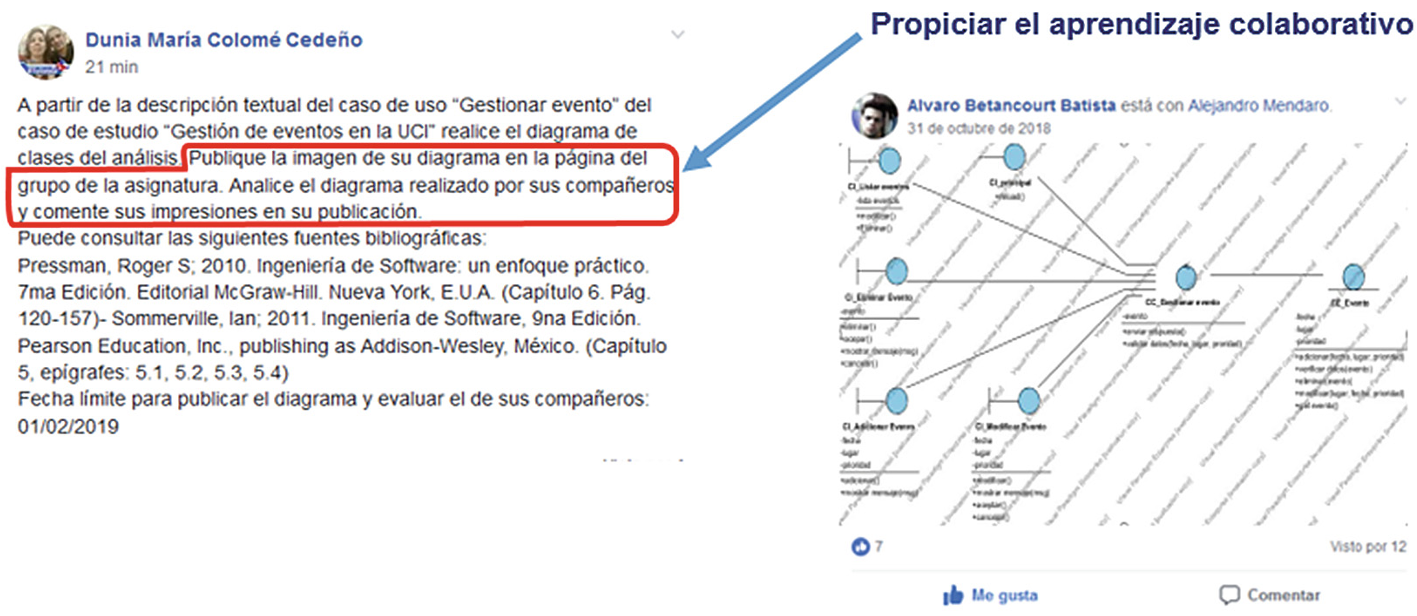 Figure 2: Collaborative review of a class diagram via social media comments.
Experimental Results: High Satisfaction and Engagement
Using the Iadov technique (a method to quantify satisfaction through a series of crossed questions), the study reported a 0.95 satisfaction index. Key findings included:
- Higher Autonomy: Students became "constructors of their own knowledge" rather than passive note-takers.
- Error Correction: Real-time peer feedback on Facebook allowed students to identify issues in message flows and behavioral modeling faster than waiting for a weekly teacher review.
- Cultural Background: The method worked because it respected the social context and existing digital habits of the student body.
Critical Insight: Beyond the "Entertainment" Stigma
The industry takeaway here is that the Inductive Bias of social platforms—their ease of use, notification systems, and mobile accessibility—outperforms the "friction" associated with traditional academic LMS. While Facebook was not created for education, its "social technology" functions (polls, threads, image sharing) map perfectly onto the collaborative needs of software modeling.
Conclusion & Future Perspectives
The paper successfully demonstrates that integrating social networks into the Software Engineering curriculum is not just a gimmick; it is a vital strategy for training professionals who must work in teams.
Future Work should look into the "evolution of social networks" (as recommended by the authors). With the rise of platforms like Discord or Slack in professional software development, the next step is migrating these pedagogical actions to environments that even more closely mimic real-world dev-ops culture.
Takeaway: To teach teamwork in software, we must meet students where the "talk" is already happening.