
DDtrac: Harnessing Collective Intelligence for Special Education
Developing a collective intelligence application for special education
This paper introduces DDtrac, a web-based collective intelligence application designed to streamline data tracking and collaborative decision-making in special education. Utilizing an action research methodology, the study demonstrates how a distributed asynchronous platform can synchronize the efforts of educators, therapists, and parents to improve outcomes for students with intensive needs.
TL;DR
Special education is fundamentally a collaborative "team sport" involving parents, therapists, and teachers, yet the data remains siloed in paper logs. DDtrac is a pioneering web-based application that applies Collective Intelligence principles to synchronize these distributed teams. By combining rigorous quantitative tracking with a qualitative student-centric blog, it improves decision-making speed and accuracy for students with intensive developmental needs.
The "Data Silo" Problem in Developmental Disability
The legal mandates (like IDEA 2004) require schools to document student "Response to Intervention" (RTI). However, the reality for the 5% of students with intensive needs is a logistical nightmare.
- Fragmentation: A single child might see an ABA therapist, an Occupational Therapist, and a special education teacher—all in different locations.
- The Paper Burden: Most data is still collected via pencil and paper, making it nearly impossible to spot long-term trends or share breakthroughs instantly.
- Cognitive Bias: Without centralized data, teams often fall victim to "groupthink" or individual bias regarding whether a medication or intervention is actually working.
Methodology: DDtrac’s Collective Logic
The DDtrac application isn't just a database; it’s a platform for emergent intelligence. The author identifies a shift from "Web Science" to specialized "Collective Intelligence Applications."
1. The Multi-Modal Data Model
DDtrac captures three distinct classes of data:
- Instructional: Measurable academic performance.
- Social: Spontaneous interactions (e.g., eye contact, play).
- Behavioral: Tracking triggers, duration, and consequences of problem behaviors to satisfy legal and clinical requirements.
2. The Student-Centric Blog (Qualitative Context)
Numbers alone don't tell the whole story. The system utilizes a blog-style interface where team members leave narrative observations. This serves as a transactive memory system, allowing a teacher in the morning to understand why a student might be struggling based on a parent's note about the student's mood from the previous night.
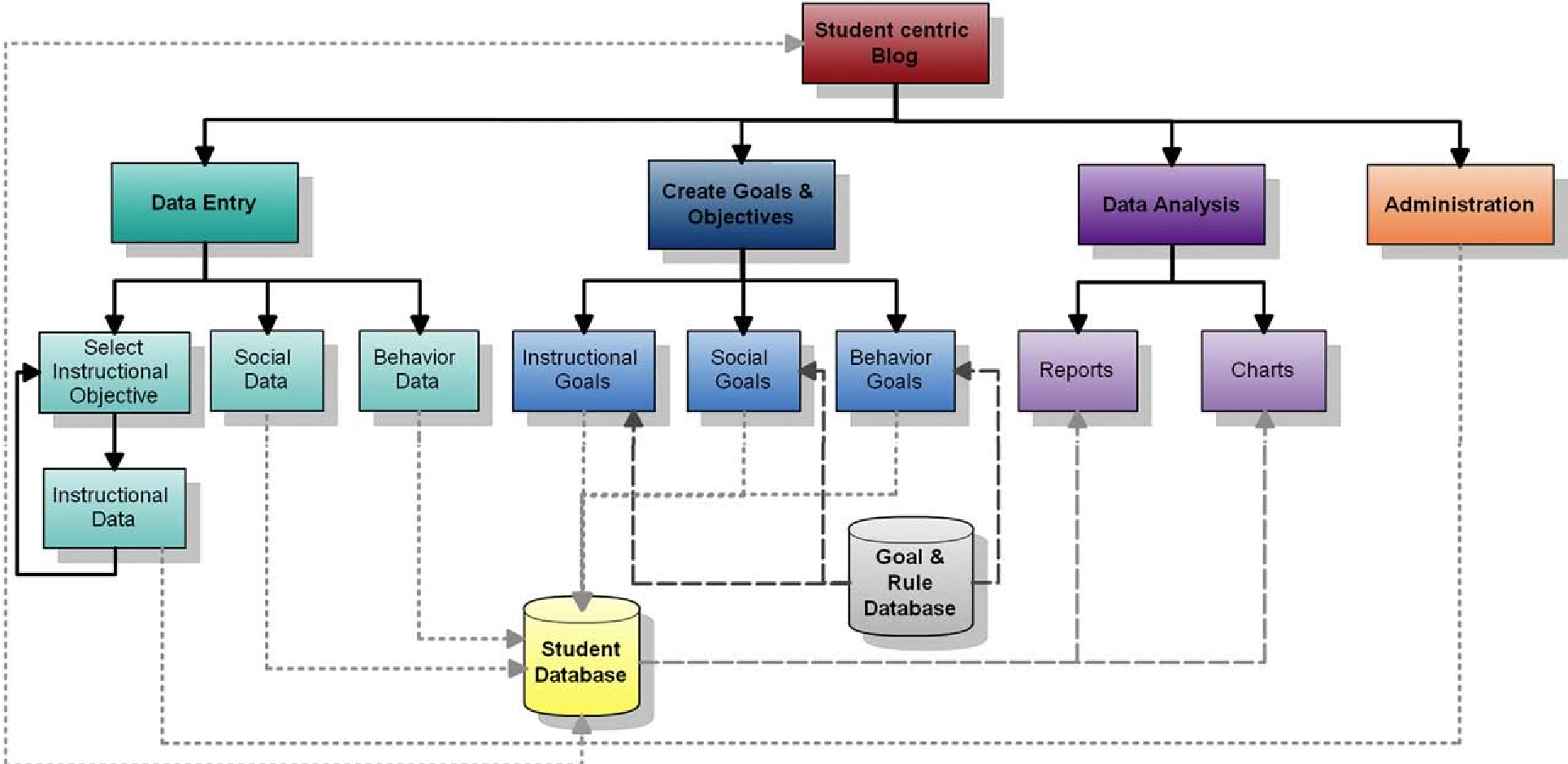 Figure 1: The DDtrac Architecture illustrating the flow from data entry to administrative oversight.
Evidence of Success: From Data to Insight
The paper presents a longitudinal trial spanning four years and 85,000 data points. The most profound takeaway wasn't just "better tracking," but "unbiased analysis."
Key Experimental Outcomes:
- Decision Support: 100% of group meetings used DDtrac charts as the primary tool for adapting student objectives.
- Efficiency: 81.5% of sessions included qualitative notes, which therapists claimed were "essential" for consistent education.
- Intervention Evaluation: The team could finally correlate external factors (e.g., changes in diet or medication) with educational outcomes using long-term trend data.
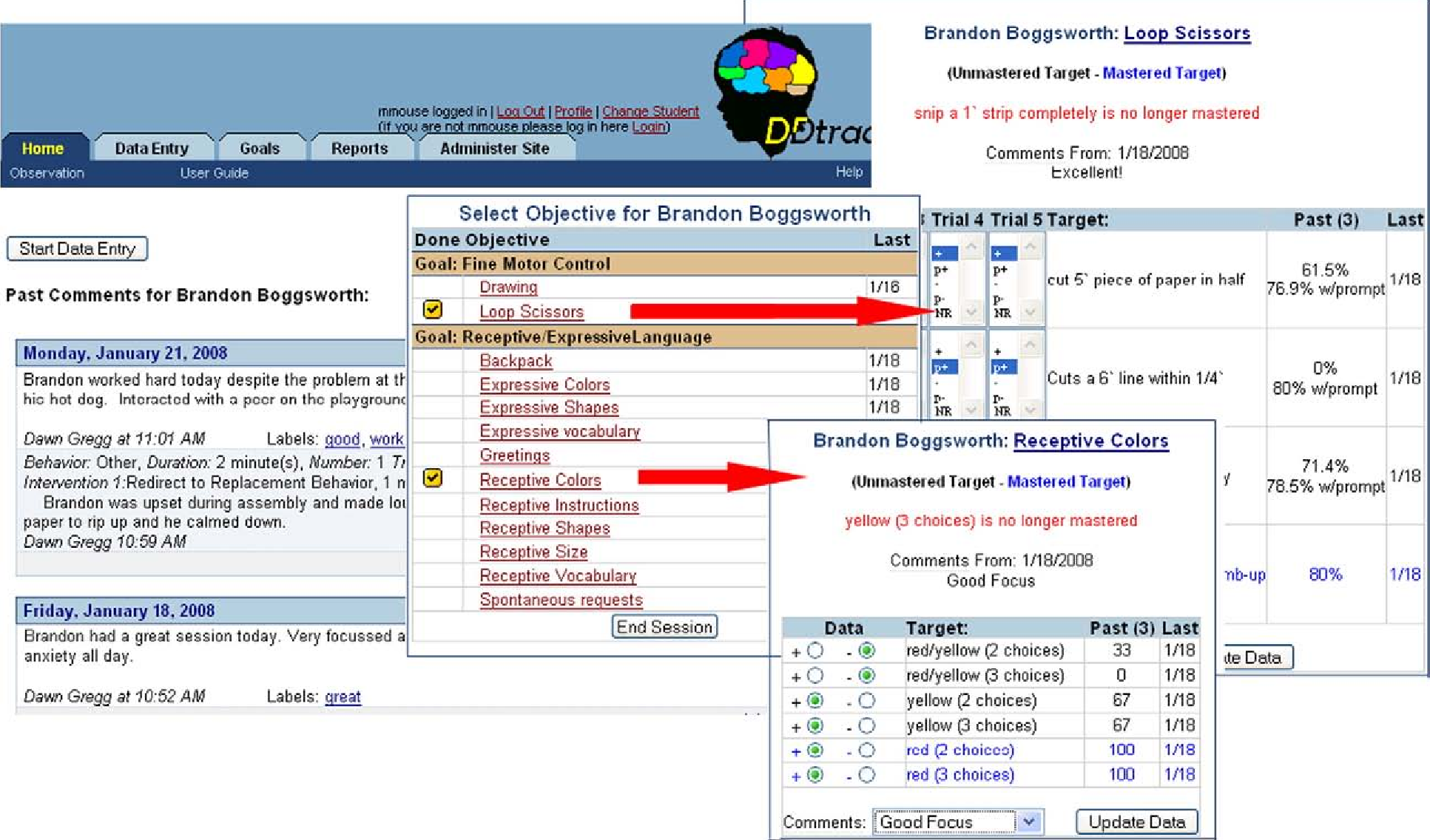 Figure 2: Sample Performance Charts (Stacked Bar, Line, and Mastery) used for assessment.
Six Requirements for Collective Intelligence Apps
Through this action research, the author posits six design requirements for future developers:
- Task-Specific Representation: Interfaces must use domain-specific terminology (e.g., "Prompts," "Targets," "IEP Goals").
- Diverse Data Support: Mixing quantitative numbers with qualitative narratives.
- Seamless Idea Exchange: Asynchronous commenting to resolve conflicts.
- Multiple Retrieval Modes: Semantic tagging and flexible charting for "remixing" data.
- Iteration via User Feedback: Using lightweight programming to adapt to user needs.
- Universal Usability: Ensuring access across PCs, Macs, and handheld devices.
Critical Insight & Conclusion
DDtrac proves that Collective Intelligence is most powerful when it is the least "visible"—when it simply streamlines the specialized workflow practitioners are already doing. While the study is a single case, the deployment across 275 students suggests that moving special education data to the cloud isn't just about efficiency; it's about preserving "Organizational Memory." When a teaching team rotates annually, the child's progress shouldn't have to restart from zero.
The future of special education lies in these decentralized, virtualized organizations that can learn, remember, and adapt as a single collective unit.