
CISP: Engineering Collective Intelligence in Architectural Design
Collective Intelligence Support Protocol - A Systemic Approach for Collaborative Architectural Design
The paper introduces the Collective Intelligence Support Protocol (CISP), a systemic methodology designed to facilitate collaborative architectural design. It integrates organization, planning, and shared workspace layers to manage multidisciplinary teams and has been successfully validated through a high-profile international architectural competition.
TL;DR
Architectural design is no longer a solo endeavor but a complex "system" of moving parts. This paper introduces the Collective Intelligence Support Protocol (CISP), a framework that leverages systems theory to manage large, multidisciplinary teams under extreme pressure. By dividing the workflow into Organization, Planning, and Workspace layers, the CISP helped a team win an international competition against 1,700 rivals.
Background: Beyond Simple Cooperation
In the world of high-stakes architecture, the difference between "working together" and "collaborating" is the difference between a mediocre project and an award-winning one. Most teams struggle with:
- Spatiotemporal constraints: Short deadlines and remote members.
- Fragmented expertise: Specialists (engineers, designers, researchers) failing to build a "shared ground."
- The Coordination Gap: Misalignment between the creative "sketching" phase and the rigorous "rendering" phase.
The authors argue that we must view the design process as a dynamic system where the behavior of every agent impacts the whole.
Methodology: The Three Layers of CISP
The core of the CISP lies in its tripartite structure, designed to provide both creative freedom and managerial rigor.
1. The Organization Layer (Hierarchy vs. Equality)
The protocol employs a "dual layout":
- Horizontal Layout: Every member has equal decisional legitimacy. This is used during the brainstorming and "ideation" phases to foster creativity.
- Vertical Layout: A clearer hierarchy used during production phases to ensure discipline and meet deadlines.
2. The Planning Layer (Synchronicity)
Planning is not just a calendar; it is a chain of alternating moments:
- Collaborative Moments: Synchronous (in-person or video calls) for major decisions.
- Cooperative Moments: Asynchronous (individual tasks) for focused production.
3. The Shared Workspace Layer
This layer combines digital tools (shared drives, BIM) with physical tools (sketches, post-its) and the ShareLab methodology, which creates a formal "charter" for how tools are used.
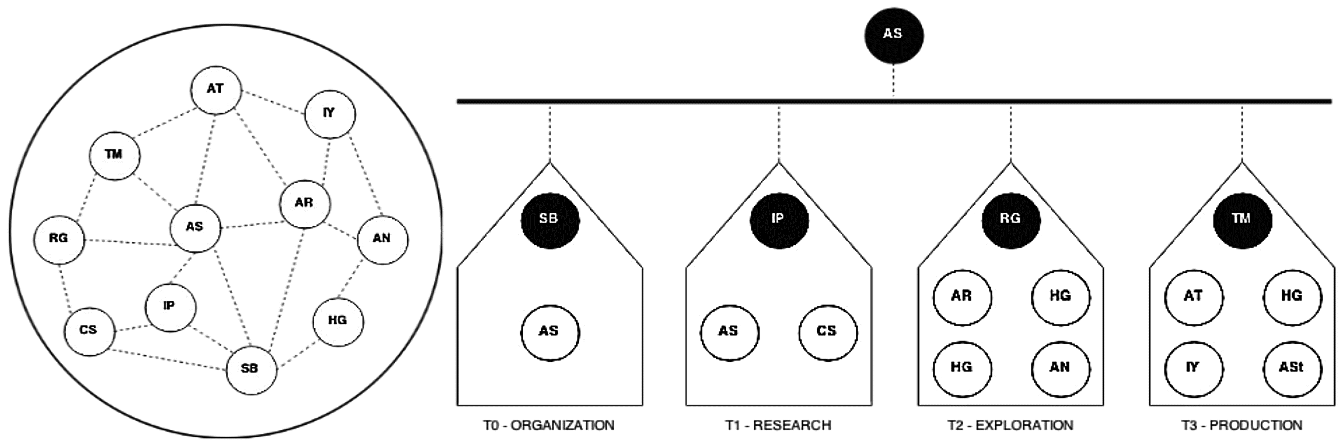 Figure 1: Comparison between Horizontal (Creative) and Vertical (Efficiency-driven) team structures.
Experiments & Results: The "TarTar Team" Case Study
The methodology was stress-tested by a multidisciplinary team involved in an international competition.
- Role Distribution: Members were assigned specific types: Designer, Researcher, Consultant, and Producer. This avoided the "polarization of viewpoints" often seen in unstructured teams.
- Outcome: Despite the complexity of 1,700 entries, the team received an award.
- Ablation Insight: The study found that the "Idea Development" phase thrived under horizontal organization and "ShareLab" methods, whereas the "Project Render" phase required the vertical layout and individual precision tools to succeed.
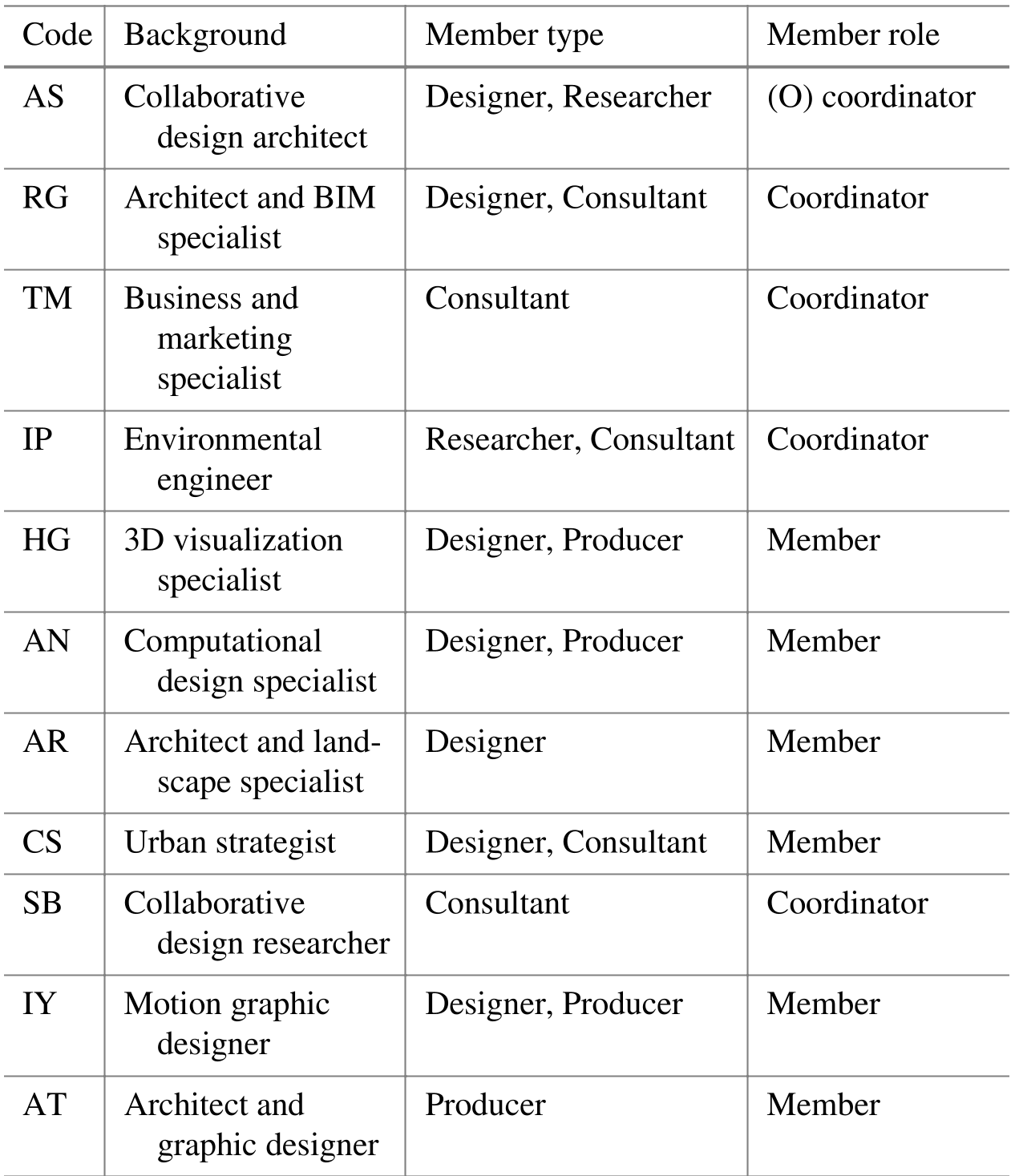 Table 1: Mapping expertise to functional roles within the CISP framework.
Critical Insight & Future Outlook
The brilliance of CISP is its adaptability. It acknowledges that a team's structure should not be static; it must morph from a flat, democratic "think tank" into a disciplined "production factory" as the project nears its deadline.
Limitations: Specifically, the protocol is "procedural" and can feel heavy or bureaucratic at first. It requires an "Overall Coordinator" to maintain continuity when roles shift.
The Future: The authors plan to integrate BIM (Building Information Modelling) and Multi-Agent Systems (MAS) to further automate the coordination of these complex human systems. For modern AEC (Architecture, Engineering, Construction) professionals, CISP offers a blueprint for turning individual talent into collective genius.