
Collective Intelligence: Reimagining Education through Web Tools in the Post-Pandemic Era
Collective intelligence and web tools in the educational process
This research investigates the integration of Collective Intelligence (CI) and Web 2.0 tools within the educational process, specifically during the COVID-19 pandemic. By employing qualitative methods and the Moodle platform, the authors demonstrate how synchronous and asynchronous tools like chats and forums foster collaborative learning and emotional intelligence in a decentralized academic environment.
TL;DR
The COVID-19 pandemic was more than a health crisis; it was a "methodological enzyme" that forced education to evolve. This research explores how Collective Intelligence (CI)—the synergy of group wisdom—can be amplified by Web 2.0 tools like forums and chats to move beyond traditional, isolated learning models toward a collaborative "Knowledge Society."
The "Solitude" Problem in Digital Education
The sudden shift to remote learning in 2020 revealed a glaring weakness: most educational systems were designed for physical, pyramidal structures. When moved online, these systems often defaulted to passive participation and individualistic assessment.
The authors argue that the Knowledge Society requires a different "Inductive Bias." Instead of labor and capital, the new currency is shared knowledge. The primary challenge addressed here is: How can we prevent the digital classroom from becoming a series of isolated silos?
Methodology: The Core of Collective Intelligence
The research moves away from the pyramidal system toward Holomidality—an integrative look at social practices where knowledge is the heritage of the community, not the elite.
The Web Evolution Framework
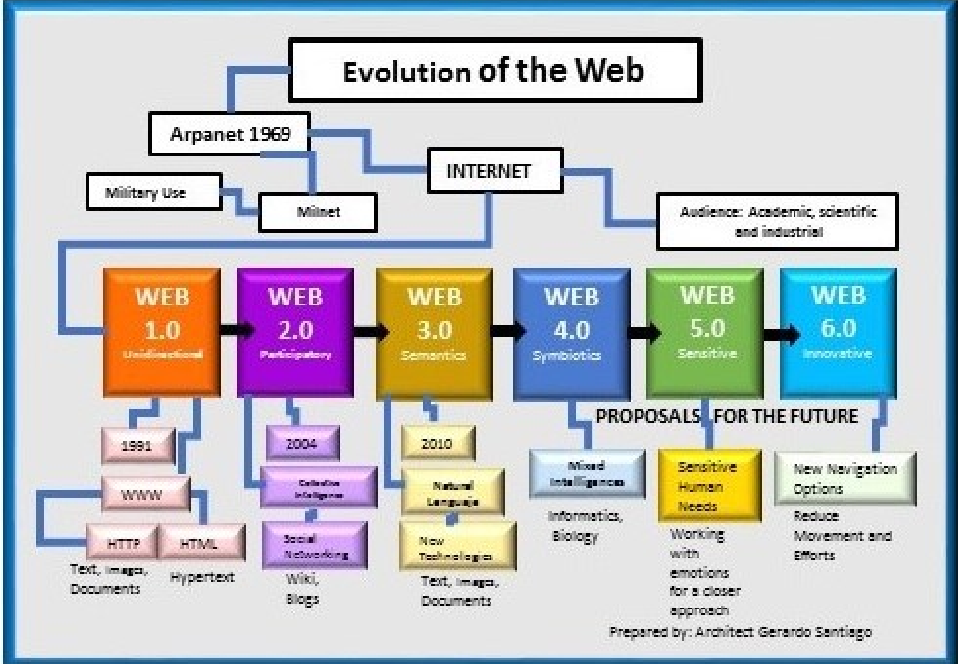
The paper categorizes the transition of tools as follows:
- Web 1.0: Connecting people to static information.
- Web 2.0: Connecting people to people (The era of CI and participation).
- Web 3.0/4.0: Semantic and ubiquitous connectivity involving AI.
The authors implemented the Micro Flip Teaching (MFT) method, where students use web tools to create content rather than just consuming it. This "activity and knowledge creation" is synthesized through Moodle's collaborative features.
Critical Insights from the Virtual Classroom
Using a sample of Computer Science students at UPTC (Colombia), the study tracked how specific tools impacted the learning curve.
1. The Power of Asynchronous Forums
Contrary to the belief that forums are "old school," 100% of students found them vital for strengthening CI. Why? Because they demand autonomous thinking and critical judgment. Writing in a forum forces a student to order their thoughts before "publishing" to the group.
2. Synchronous Chat and Emotional Intelligence
Chat serves as a "sensory" tool. It provides immediate feedback and allows for spontaneity. The paper notes that the combination of independent decisions within a group—even when using abbreviations or informal digital language—actually improves the quality of the final intellectual "output."
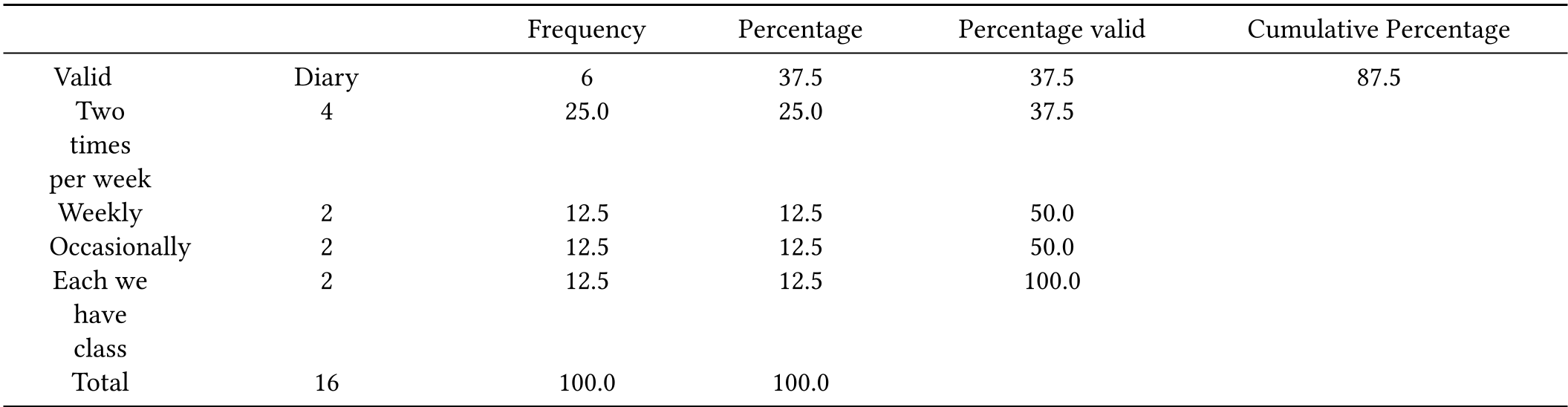 Table 1: Frequency of platform usage highlighting the shift toward daily digital interaction.
Experiments and Results
The quantitative data suggests that the transition to Web 2.0 tools is not just about convenience; it is about transformation:
- Interaction Innovation: 37.5% of students reported an "innovative interaction process" that went beyond traditional lecturing.
- Reading/Writing Synergy: The digital medium forced a natural improvement in literacy skills as students felt "pressured" to read peers' work accurately to respond effectively.
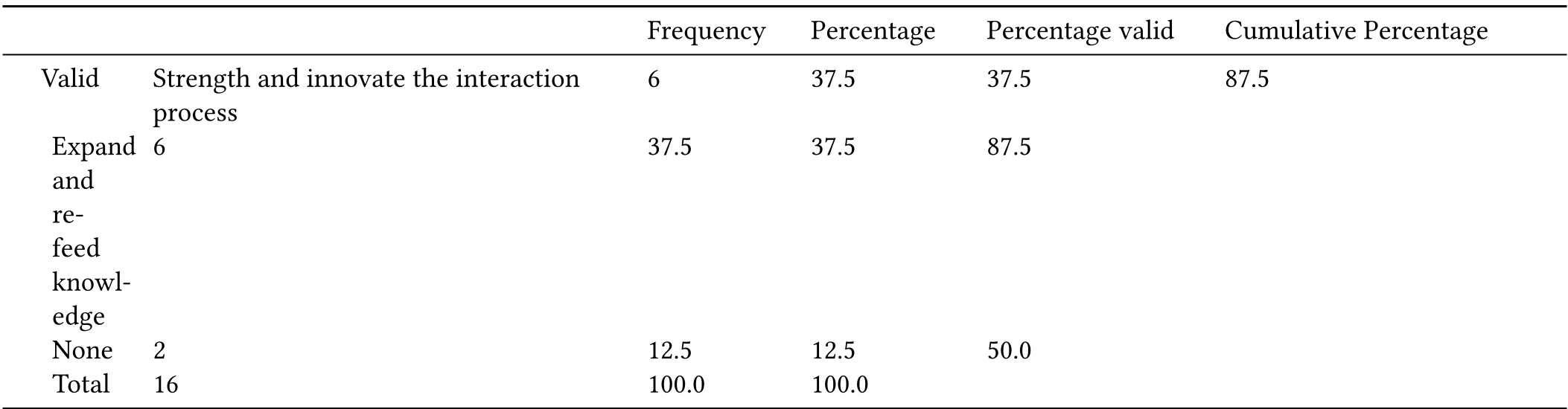 Table 5: Distribution of student perceptions on how forums expand knowledge.
Deep Insight & Conclusion: Beyond the Tools
The central takeaway of this work is that Collective Intelligence is an Orchestrated Instrument. The software (Moodle, WhatsApp, Meet) is the "bridge," but the "harmony" is created by teachers and students acting as an intelligent unit greater than the sum of its parts.
Limitations & Future Work
While the study shows high engagement, it acknowledges that Latin American orality poses a challenge to written digital participation. Future research should look into Web 5.0 (Sensory Web) to see how AI can further identify user emotions to tailor the collaborative process even more precisely.
As we move into an era of "Universal Governance" of knowledge, this paper serves as a reminder that education must be open, global, and based on trust rather than control.