
Digital Anchors: How At-Risk Adolescents Navigate CMC for Social Support
Usage patterns of communication interfaces for social support among at-risk adolescents
This study investigates the communication preferences of 316 at-risk adolescents for social support, comparing four Computer-Mediated Communication (CMC) interfaces: Email, SMS, Instant Messaging (IM), and Chat. The results reveal that IM and SMS are the primary vehicles for interpersonal support, aligning with normative trends but with distinct emotional vs. social nuances.
TL;DR
In the digital age, social support is no longer confined to face-to-face encounters. A study of 316 at-risk 8th graders in Israel reveals that Instant Messaging (IM) and SMS have become the "digital anchors" for vulnerable youth. These interfaces outperform Email and Chat in providing emotional and social support, with significant gender-based differences in how these technologies are leveraged for crisis management.
Contextualizing "At-Risk" in the Modern Age
Being "at-risk" is traditionally defined by academic failure, behavioral issues, or socioeconomic hardship. These adolescents often lack the stable "Strong Ties" found in functional families, making their peer networks critical for survival. The research focuses on how the transition from face-to-face (F2F) support to Computer-Mediated Communication (CMC) affects this demographic.
The Preference Hierarchy: Why IM Wins
The study categorized interfaces into Synchronous (Real-time: IM, Chat) and Asynchronous (Delayed: Email, SMS).
- The Winner: IM (46.6%) is the dominant choice because it mimics the intimacy of a private conversation while providing a "safe" digital distance.
- The Surprise: SMS remains vital for emotional support, even outperforming IM in certain practical joint activities.
Deep Dive: Methodology & Support Factors
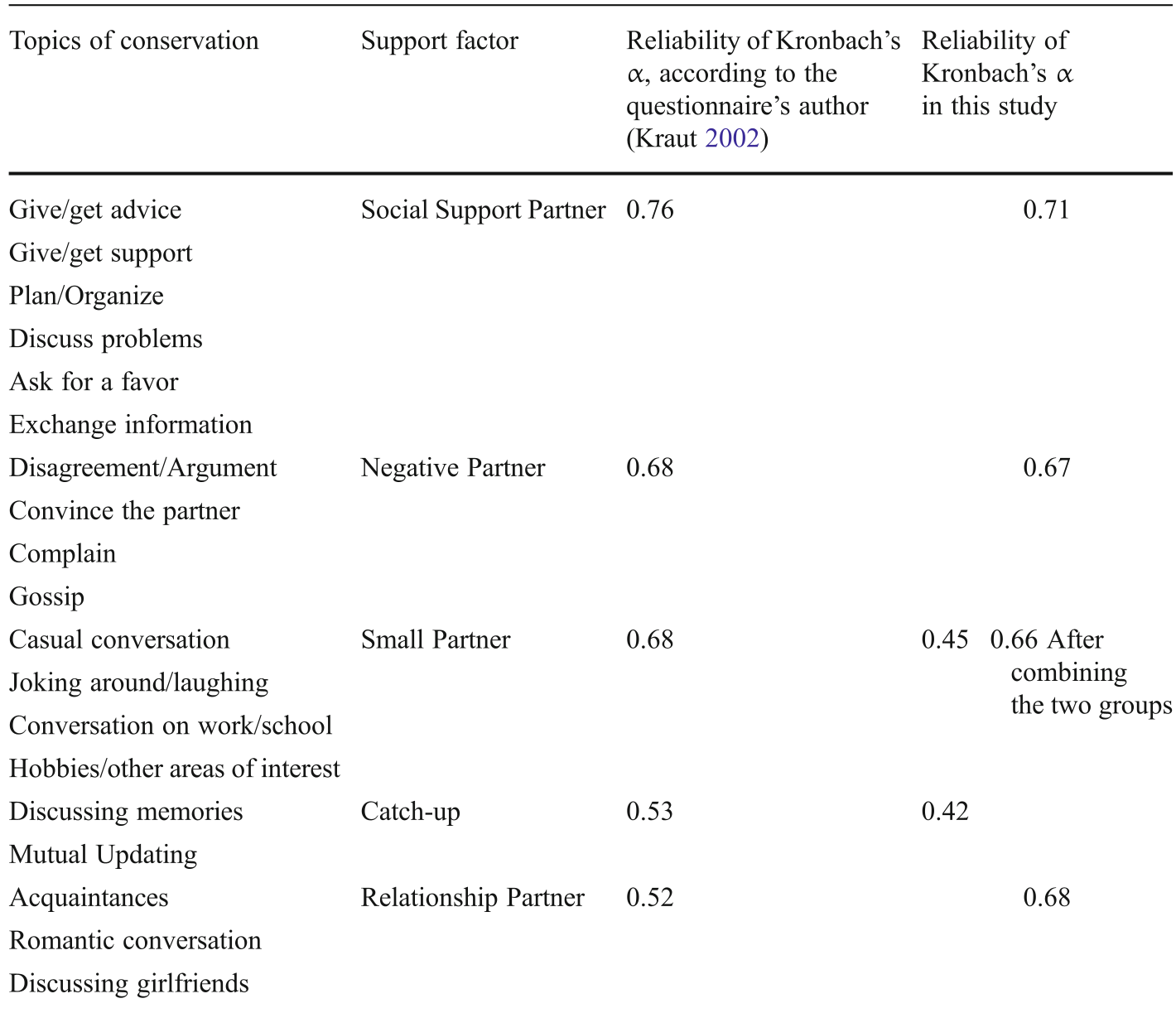
The researcher broke down social support into four distinct factors to see if the topic of conversation dictated the choice of app:
- Social Support Partner: Advice and problem-solving.
- Negative Partner: Complaining and gossip (venting).
- Relationship Partner: Romance and close friendship.
- Small Partner: Casual joking and school talk.
Key Insight: Content Drives Channel
The study found a clear correlation:
- IM was the go-to for "Negative Partner" interactions (venting/gossip).
- Chat was preferred for "Relationship Partner" topics (romance), perhaps due to the legacy of early chat-room culture.
- SMS was the preferred medium for seeking actual emotional support, likely due to its ubiquitous, "always-on" nature on mobile devices.
Gender Dynamics: The Digital Divide in Support
Consistent with social psychology, girls were found to be significantly more active in seeking and providing support via digital means.
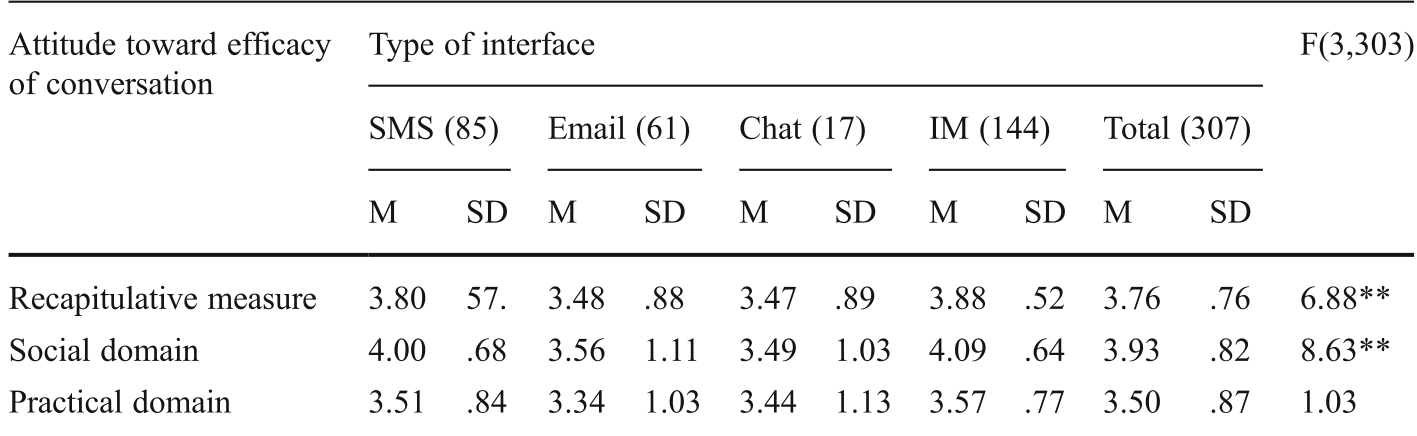
- Efficacy: Girls ranked the effectiveness of Email and IM much higher than boys did.
- Emotional Labor: Girls reported engaging in emotional support conversations at a staggering rate (M=4.58) compared to boys (M=2.75).
- The Male Outlier: Interestingly, boys showed a slight preference over girls for using Chat interfaces when seeking social support, suggesting boys may prefer the relative anonymity or group-dynamic of chat environments.
Critical Analysis & Takeaways
The study highlights that for at-risk youth, the medium is the message. The preference for IM and SMS stems from their personal nature—they allow for direct, intimate connection without the "noise" of public forums.
Limitations
- Geographic Scope: The sample was limited to urban Israeli centers; cultural differences in the Arab sector or Kibbutzim might yield different results.
- Evolution of Tech: Published in 2013, the study reflects a "Pre-TikTok/Snapchat" era. However, the underlying physics—the preference for synchronous, private text—remains relevant in modern apps like WhatsApp or Discord.
Conclusion
For educators and psychologists, the message is clear: if you want to reach at-risk youth, you must meet them where they live—in the private, immediate world of instant messaging. These platforms are not just distractions; they are the lifelines that provide the empathy and encouragement these adolescents need to navigate their developmental crises.