
Beyond Functionality: Why Your COVID-19 Chatbot Feels Like a Cold Machine
Communication and Personality: how COVID-19 government chatbots express themselves
This paper evaluates three Brazilian government COVID-19 chatbots using the Semiotic Inspection Method (SIM) and best-practice guidelines. It assesses these conversational agents across three dimensions: communicability, language, and personality, revealing significant gaps in how these bots express their design intent.
TL;DR
During the COVID-19 pandemic, Brazilian government agencies deployed chatbots to triage symptoms and fight misinformation. However, a deep dive using the Semiotic Inspection Method (SIM) reveals that these bots suffer from a "personality void" and poor communicability. This research highlights that just providing information isn't enough; how a bot expresses its design intent and "character" is what determines its success in a crisis.
The Problem: The "Silent" Designer
When you talk to a government chatbot, who are you really talking to? In HCI (Human-Computer Interaction), we call this the Designer's Deputy. The problem is that most COVID-19 bots are developed as rigid logic trees.
The authors argue that many bots fail because of a lack of Communicability—the ability of the software to tell the user how it should be used. Users often find themselves in "conversation loops" because the designer failed to use Metalinguistic Signs (the signs that explain the system itself).
Methodology: Peeling Back the Semiotic Layers
The researchers analyzed three major Brazilian bots (C-AM, C-PR, C-CE) using a rigorous semiotic framework:
- Static Signs: Visual elements like buttons and persistent menus.
- Dynamic Signs: The flow of the conversation over time.
- Metalinguistic Signs: Help messages and "about me" descriptions.
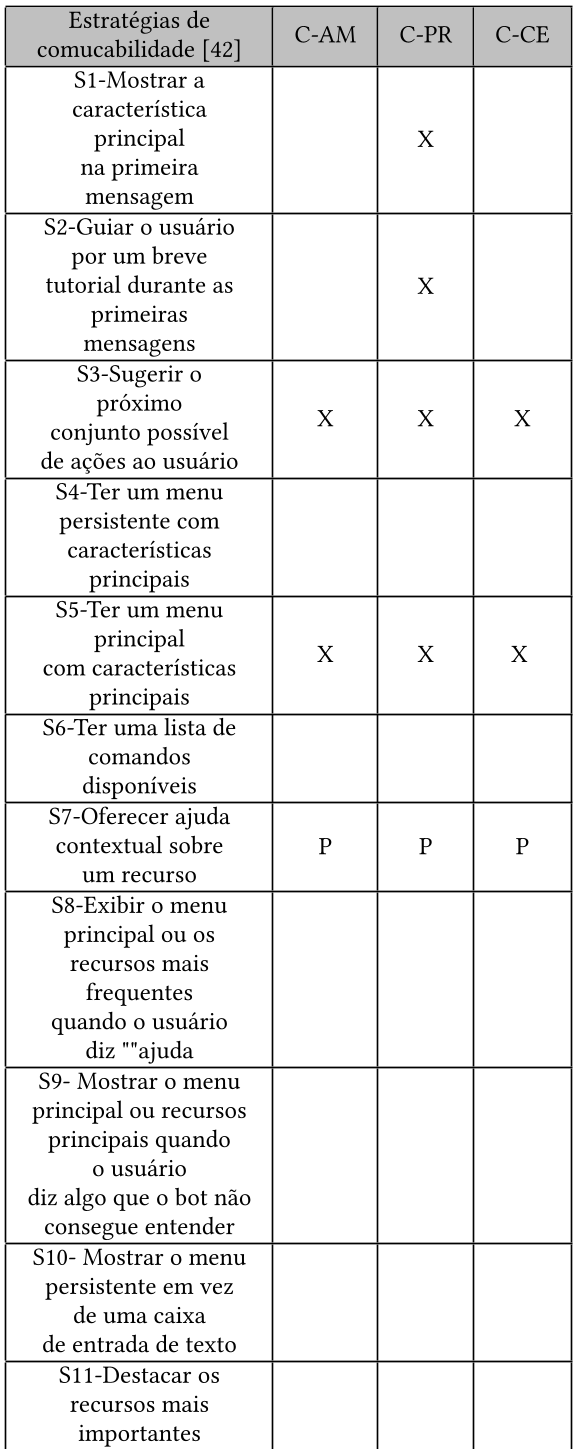 The table above shows the implementation of communicability strategies—notably, persistent menus (S4, S10) were entirely absent across the board.
Key Findings: The Identity Crisis
1. The Mystery Goal
Most bots (like C-CE and C-AM) didn't state their purpose upon the first "Hello." Users were forced to guess if the bot was for symptom checking, news, or booking appointments. This leads to Interaction Breakdowns where users spend five minutes clicking only to find the feature they need doesn't exist.
2. A Cold Persona
The study evaluated personality based on traits like Amability and Openness. The result? Zero.
- Bots referred to themselves as "Virtual Assistant."
- They lacked names, genders, or human-like icons.
- They rarely asked the user's name or used empathetic phrases like "I'm sorry to hear that" or "Stay calm."
3. Redirect Fatigue
One bot (C-PR) acted as a glorified link-directory. Instead of handling queries within the chat, it redirected users to external websites, breaking the Dynamic Sign flow and defeating the purpose of a conversational interface.
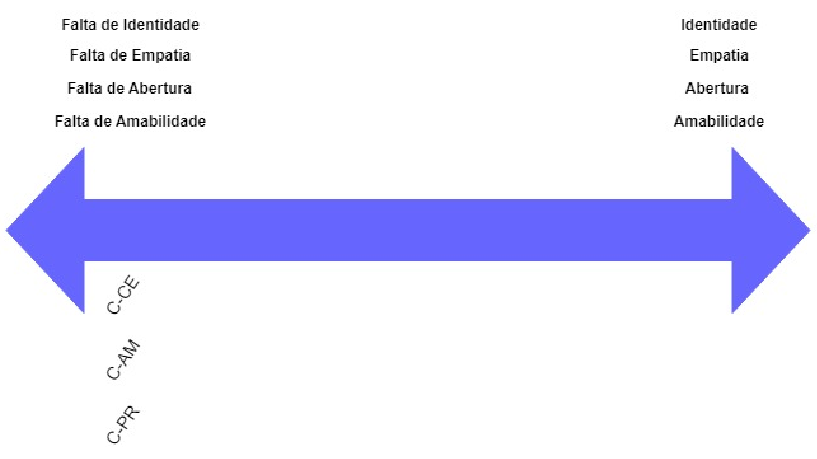 The study mapped bots on a continuum, showing they all lean heavily towards a "non-personality" state.
Critical Insight: The Designer's Self-Expression
The paper introduces a fascinating theoretical link: Personality as Autoexpression. The bot’s personality is effectively a reflection of the designer's intent. When a bot is cold and functional, it's because the designer prioritized "data delivery" over "user relationship." In a pandemic, where citizens are anxious and scared, this "coldness" can actually decrease trust in government information.
Future Outlook and Recommendations
To improve e-government bots, designers should:
- Implement Persistent Menus: Never leave the user wondering "where am I?" or "how do I get back?".
- Humanize the Agent: Give the bot an identity (name/avatar) and use "I" instead of "We/The System."
- Prioritize Empathy: In health domains, emotional validation is just as important as medical accuracy.
Conclusion
This paper serves as a wake-up call for public sector tech. A chatbot is not a FAQ page with a text box; it is a social actor. By failing to communicate its capabilities and failing to project a supportive personality, a chatbot risks becoming another barrier rather than a bridge to public health.
Source: Melo & Monteiro (2021). "Communication and Personality: how COVID-19 government chatbots express themselves." IHC '21.