
CBAC: Bridging the Loneliness Gap through Activity-Centric Virtual Communities
A Community-Based Activity Center to Promote Social Engagement and Counteract Decline of Elders Living Independently
The paper presents the Community-Based Activity Center (CBAC), a modular digital platform designed to promote active ageing through cross-domain stimulation (cognitive, physical, and social). Developed within the European MoveCare project, it utilizes a "virtual room" concept to foster social engagement among independent seniors, achieving high usability and sustained social interaction in a 10-week pilot study across Italy and Spain.
TL;DR
As the global population ages, social isolation is becoming a "silent killer" that accelerates cognitive and physical decline. This paper introduces the Community-Based Activity Center (CBAC), a platform that doesn't just monitor the elderly but engages them. By combining classic games (like Scopa or Pictionary) with integrated video chat and AI-driven suggestions, the CBAC transforms a tablet or TV into a lively social hub that fosters real-world friendships and monitors health trends transparently.
Problem & Motivation: The "Interest Gap" in Senior Tech
The primary challenge in Gerontechnology isn't just accessibility—it's motivation. Previous research indicates that while seniors can learn to use Skype or Facebook, they often find no compelling reason to stay active on these platforms.
The authors identify three critical areas of intervention:
- Monitoring: Detecting early signs of decline.
- Assistance: Helping with daily tasks.
- Stimulation: Promoting an active lifestyle.
The CBAC’s core "Insight" is that socialization should be a byproduct of activity. By creating a digital environment where seniors "meet" around a virtual table to play games or exercise, the technology fades into the background, and the social bond takes center stage.
Methodology: The Virtual Room Architecture
The CBAC is built on a modular, federated architecture using a Model-View-Controller (MVC) paradigm. This allows the system to remain "plastic"—capable of running on tablets, laptops, or even TV set-top boxes (Technological Equivalence).
The "Virtual Room" Concept
The interface is split into two synchronized parts:
- The Activity Board: A real-time synchronized game or workout area (WebSockets).
- The Social Panel: A WebRTC-powered audio/video interface that supports up to four players.
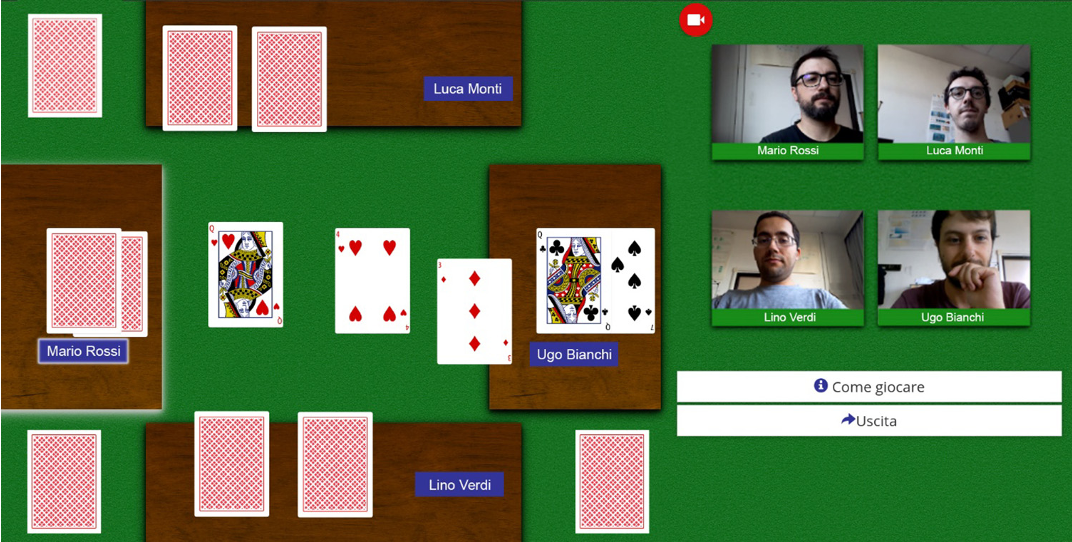 Figure 1: The modular MVC architecture showing the separation between the platform manager, activity units, and the AI module.
AI and Recommendation
The platform doesn't just wait for users to play. An AI Module analyzes logs (like "Time to Action" in card games) to:
- Reorder the UI buttons based on user preferences.
- Suggest peers who are currently online.
- Send proactive reminders via mobile or an optional service robot (Giraff).
Experiments & Results: From Digital to Physical
The platform underwent rigorous testing, culminating in a 10-week pilot with 25 seniors in Italy and Spain.
Key Findings:
- Usability: Despite the "digital divide," users rated the system 4/5 for stimulation and usability.
- Social Impact: The system proved its value during the COVID-19 pandemic, where usage spiked. Most importantly, multiple users transitioned from "online players" to "real-life friends," meeting for coffee and walks outside the study—a rare success in digital social intervention.
- Cognitive Monitoring: By measuring "Action Efficiency" (using a maxmin algorithm to determine the "best possible move" in a game), the authors demonstrated that the platform could potentially track cognitive vigor over time without intrusive testing.
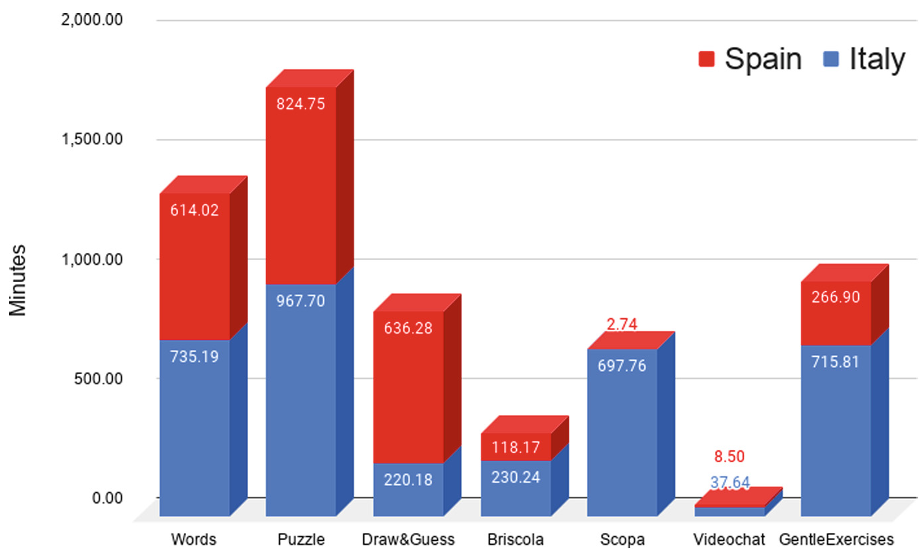 Figure 2: Total usage time showing the increase during the lockdown period (March 2020), highlighting the platform's role in counteracting isolation.
Depth Insight: Why it Works
The brilliance of CBAC lies in its Inductive Bias toward familiarity. Instead of teaching seniors a new social paradigm, it digitizes existing ones (the town square, the community center, the card club). The use of transparent monitoring—extracting features like "Plan-Act ratio" from a game of cards—is a masterclass in "Invisible AI" for healthcare.
Conclusion & Future Work
The CBAC demonstrates that modular ICT frameworks can successfully bridge the gap between healthcare requirements and senior lifestyle preferences.
Limitations: The study noted that network stability remains a major hurdle for low-latency video, often requiring technical intervention which can discourage seniors.
Future Outlook: The integration of even more heterogeneous sensors (e.g., sensorized anti-stress balls for grip strength) suggests that the future "Activity Center" will be a 360-degree health and social ecosystem that feels less like a clinic and more like a club.