
Beyond Productivity: Flourishing Communities through Micro-Crowdfunding
Community-based crowdsourcing to increase a community's well-being
The paper introduces an enhanced "Micro-crowdfunding" infrastructure that integrates community-based crowdsourcing with positive psychology. It features a system that automatically inserts well-being tasks (e.g., the "Three Good Things" exercise) into a sustainable resource management platform to foster a flourishing society.
TL;DR
This research from Waseda University explores a novel intersection between social sustainability and positive psychology. By evolving a "Micro-crowdfunding" platform—initially designed to maintain public resources—into a system that automatically assigns "well-being tasks," the authors aim to solve the "Tragedy of the Commons" while simultaneously preventing participant burnout.
Background & Motivation: The Social Friction of Sustainability
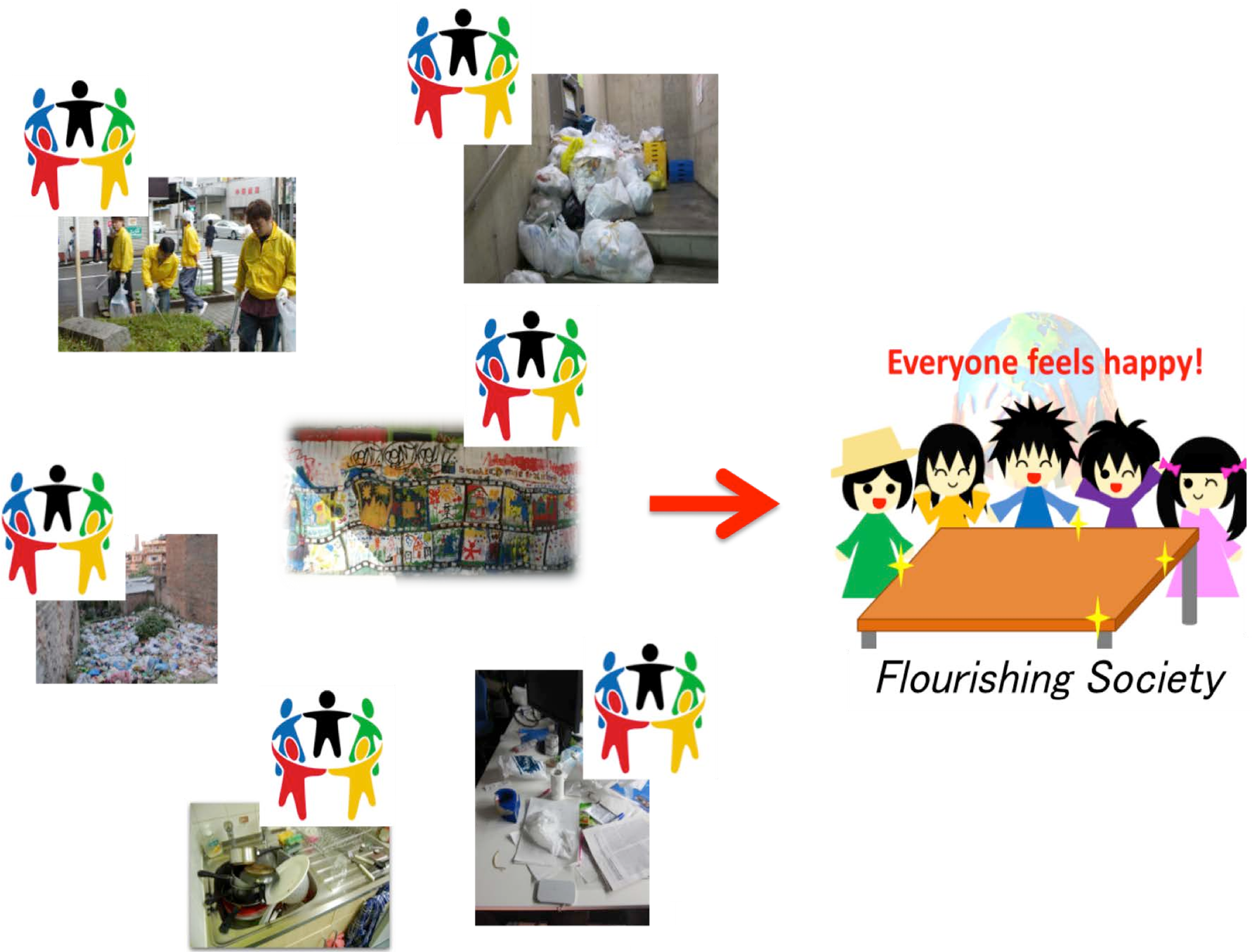
Maintaining shared resources (like a public office sink or a shared library shelf) is notoriously difficult. This is the classic Tragedy of the Commons: individuals benefit from use, but the costs of maintenance are shared, leading to neglect.
While digital crowdsourcing and "Nudge" theory have attempted to fix this, they often rely on social pressure, which can lead to stress rather than community growth. The authors' core insight is that for a community to be truly sustainable, it must flourish psychologically. They propose that by embedding well-being exercises directly into the workflow of communal maintenance, they can create a "virtuous cycle."
Methodology: The Micro-Crowdfunding Architecture
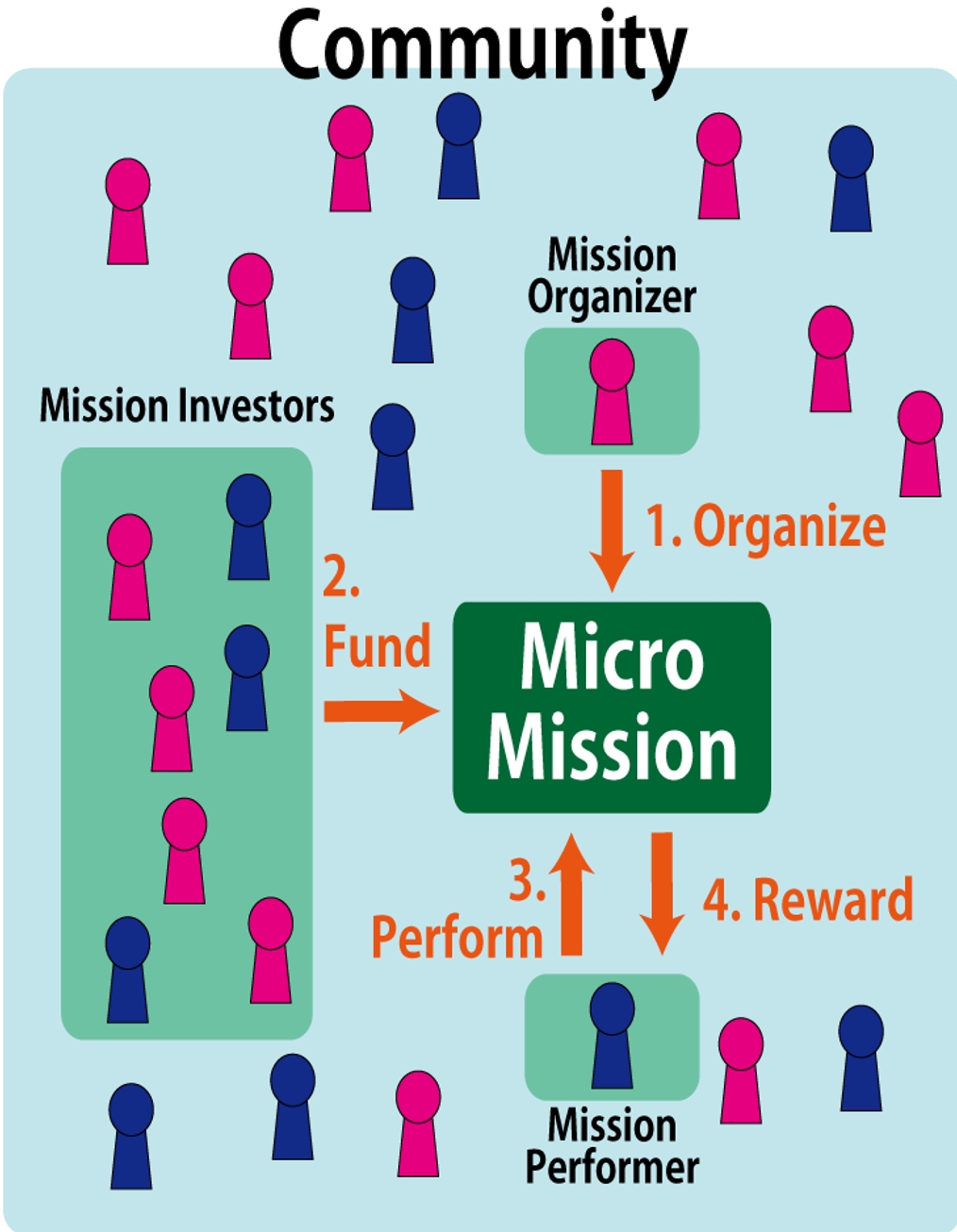
The system relies on a layered community-based approach. It introduces Micro-missions—tasks that take minimal time and effort.
1. The Crowdfunding Loop
Unlike traditional crowdsourcing, this model utilizes a "Mission Organizer" (who identifies a problem), "Mission Investors" (who fund the task with virtual currency), and "Mission Performers" (who execute the task).
2. Aging Money & Incentives
To prevent hoarding and encourage rapid circulation of help, the system uses Aging Money. The value of this virtual currency gradually decreases over time, creating a natural "use it or lose it" pressure to fund community missions.
3. Automated Well-being Injections
The "Enhanced" version of this platform automatically registers missions based on Positive Psychology. Specifically, it uses the Three Good Things (TGT) exercise—asking users to record three positive events from their day. These tasks are funded by "fictional" investors to ensure they are always available to members.
Experimental Insights
The researchers conducted a preliminary study comparing a control group (doing mundane tasks like counting characters) with an experimental group (performing mundane tasks plus TGT exercises).
Key Findings:
- Social Influence: Participants in the well-being group were significantly more motivated when they believed their "investors" were friends rather than strangers.
- The Visualization Gap: A major pitfall identified was that well-being is "invisible." Unlike a clean sink, a "happier mind" is hard to track day-to-day. Participants noted they wanted a way to visualize the cumulative effect of their well-being missions.
- Motivation Crowding: There is a delicate balance between using virtual currency (extrinsic reward) and the TGT exercise (intended for intrinsic well-being).
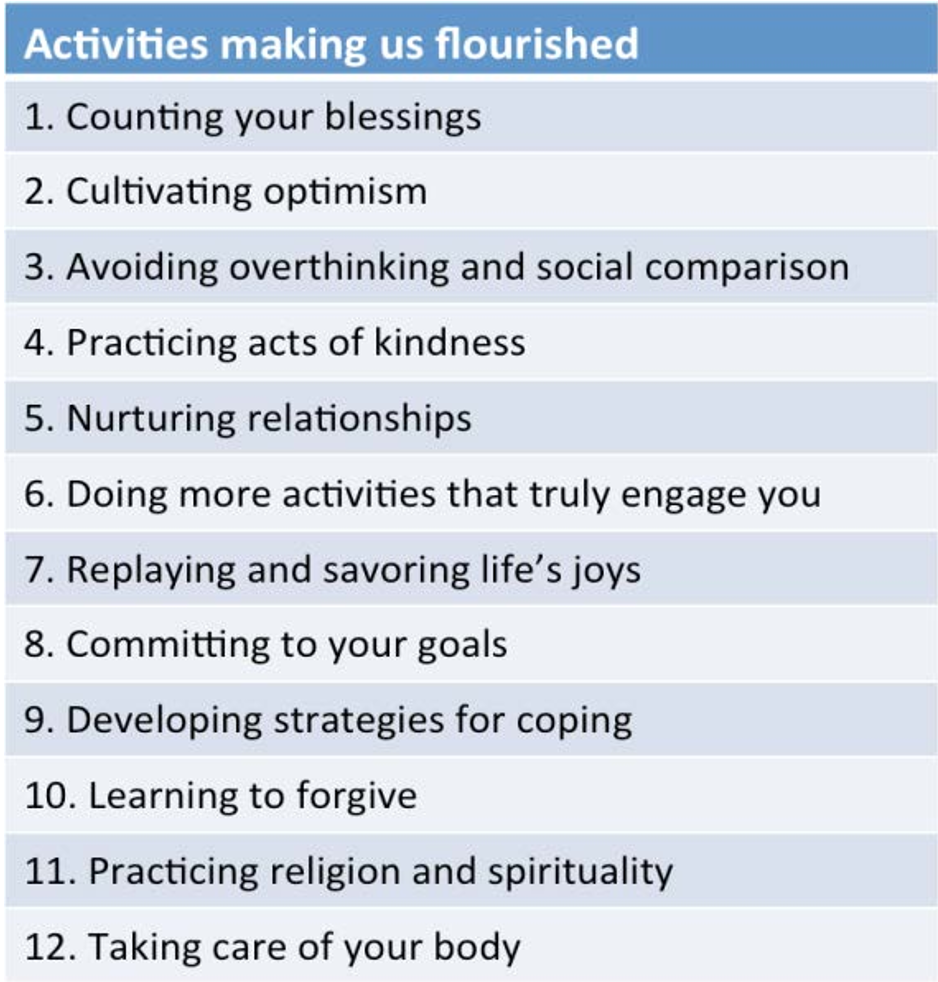 The TGT exercise primarily targets the first three activities: counting blessings, cultivating optimism, and avoiding overthinking.
Critical Analysis & Future Directions
The paper honestly acknowledges that the 8-day trial was too short to show a significant jump in SOTA well-being metrics. However, its value lies in the architectural blueprint.
Limitations: The current TGT implementation felt "disconnected" from the physical maintenance tasks. Future iterations need to bridge the gap between "cleaning a sink" and "feeling good" more fluidly.
The Road Ahead: The authors suggest making these systems "Programmable Communities." By using procedural rules to insert well-being tasks exactly when the system detects high stress or low engagement, the infrastructure could act as a "social thermostat," regulating the community's emotional health in real-time.
Summary Takeaway
This work signals a shift from Digital Labor (getting tasks done) to Digital Flourishing (getting tasks done while improving the human condition). For designers of DAOs or community platforms, the lesson is clear: don't just gamify the work; gamify the recovery.